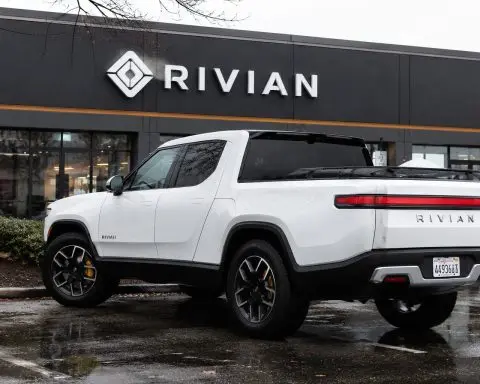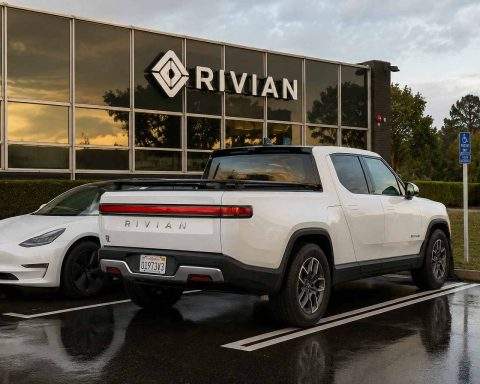

NEW YORK, August 1, 2026, 15:01 EDT – Shares of Rivian Automotive NASDAQ:RIVN slid 9.6% after software revenue partially offset ongoing losses from vehicle operations.
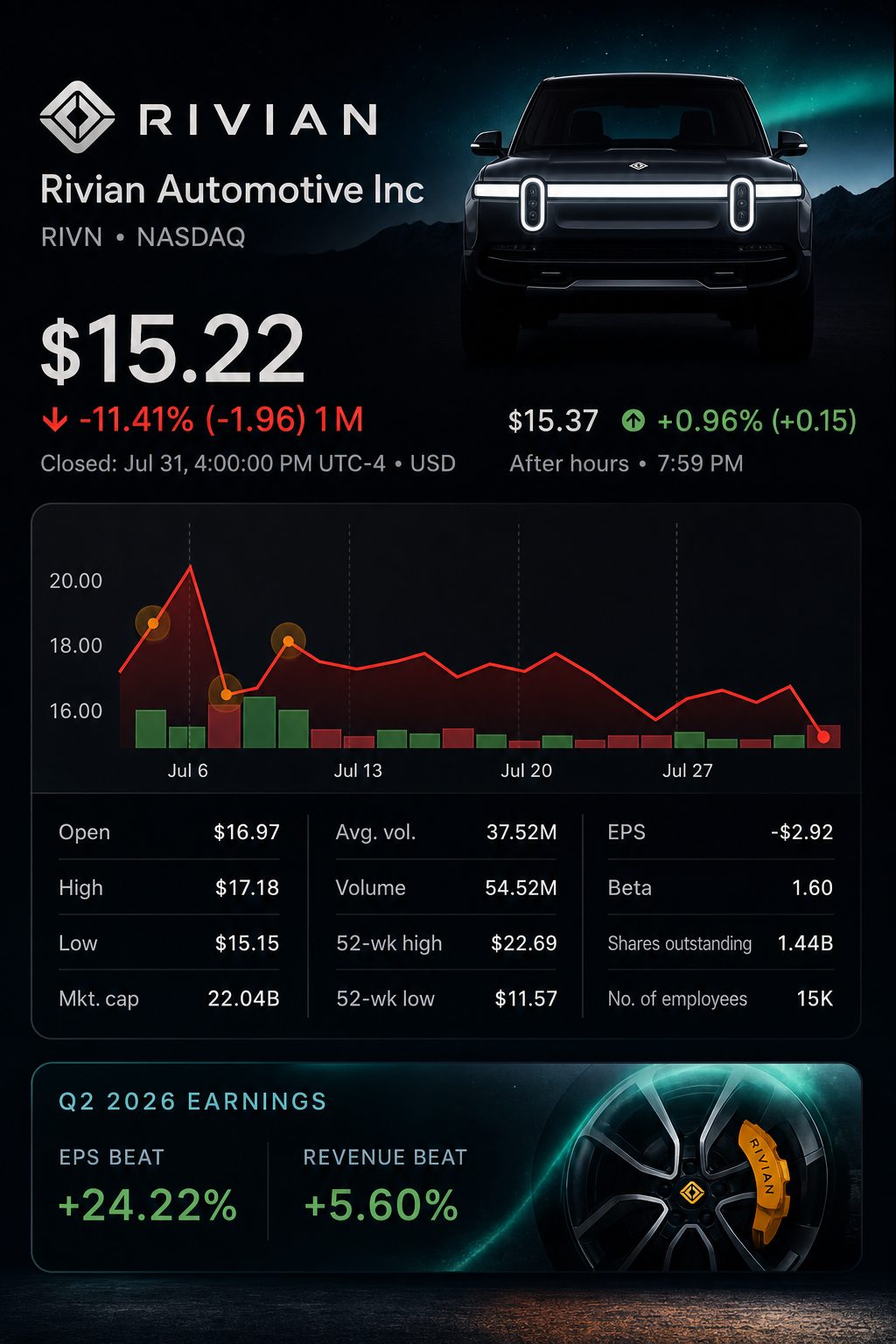
- Rivian ended trading on Friday at $15.22, dropping 9.6% on the session and falling 3.9% since July 24.
- Gross profit from software and services totaled $215 million, while the automotive segment reported a loss of $36 million.
- The delivery outlook has been raised to 65,000–70,000 vehicles. The midpoint for capital expenditures was lowered by $250 million.
Rivian Automotive, Inc. NASDAQ:RIVN dropped 9.6% on Friday, even after surpassing revenue estimates for the second quarter. The move was driven by concerns over the source of its earnings, as profits came from software rather than vehicle production.
Gross profit totaled $179 million on a consolidated basis. Software and services generated $215 million, while the automotive segment posted a loss of $36 million. Calculation shows software accounted for 120% of overall gross profit.
The split has significance for the R2 thesis. Automotive gross margin stood at negative 3.1%. The quarter featured $108 million in regulatory-credit revenue, as well as an unspecified tariff-refund receivable.
The Nasdaq remained shut on Saturday and will resume trading on Monday. On Friday, trading volume hit 54.52 million shares, roughly 1.56 times the 65-day average. The closing price also fell beneath Rivian’s July IPO level.
| Trading measure | Latest result | Comparison |
|---|---|---|
| Friday close | $15.22 | Decreased 9.57% |
| July 24 to July 31 | $15.84 to $15.22 | Slipped 3.9% |
| Friday volume | 54.52 million | 1.56 times 65-day average |
| July offering price | $15.50 | Close finished 1.8% below |
The weekly return and volume ratio are based on reported market data.
The company surpassed earnings forecasts. Revenue totaled $1.658 billion, exceeding analysts’ consensus estimate by about 9.8%. Adjusted loss came in at 46 cents per share, compared to the anticipated 63-cent loss.
| Second-quarter measure | 2026 | 2025 | Year-on-year change |
|---|---|---|---|
| Revenue | $1.658 billion | $1.303 billion | Rose 27% |
| Gross profit | $179 million | Loss of $206 million | Gained $385 million |
| Adjusted EBITDA | Loss of $379 million | Loss of $667 million | Gained $288 million |
| Net loss | $837 million | $1.115 billion | Reduced by $278 million |
| Free cash flow | Outflow of $849 million | Outflow of $398 million | Deteriorated $451 million |
Company data; adjusted EBITDA and free cash flow represent non-GAAP metrics.
Operational gains fell short of generating cash flow. Rivian’s free-cash outflow increased as the company stocked up on inventory ahead of the R2 ramp-up. Last year’s corresponding quarter was helped by deferred revenue from a joint venture.
The segment figures reveal the difference in profit.
| Business segment | Revenue | Gross profit | Gross margin | Share of total gross profit |
|---|---|---|---|---|
| Automotive | $1.143 billion | $36 million loss | Minus 3.1% | Minus 20.1% |
| Software and services | $515 million | $215 million | 41.7% | 120.1% |
| Consolidated | $1.658 billion | $179 million | 10.8% | 100% |
Figures for margins and profit contributions are based on Rivian’s disclosed segment results.
Software depends heavily on a single major revenue stream. The partnership with Volkswagen AG ETR:VOW3 brought in $308 million, accounting for 60% of software revenue. This made up 18.6% of Rivian’s overall revenue.
Management found an offset in R2 demand. Chief Executive RJ Scaringe stated that Launch Edition conversion was “meaningfully above our own internal projections.” Rivian anticipates achieving a positive R2 gross margin in the second half. Reuters
Management increased deliveries while cutting planned capital expenditures.
| 2026 guidance | Previous range | Current range | Midpoint change |
|---|---|---|---|
| Vehicle deliveries | 62,000–67,000 | 65,000–70,000 | Increase of 3,000 |
| Adjusted EBITDA loss | $1.80–$2.10 billion | $1.80–$2.00 billion | Loss reduced by $50 million |
| Capital expenditure | $1.95–$2.05 billion | $1.70–$1.80 billion | Lower by $250 million |
Liquidity was $5.846 billion at the end of the quarter. Adding equity raised in July, pro-forma liquidity totaled $7.163 billion. Free-cash outflow for the second quarter amounted to 11.9% of that sum, though this is not a projection for runway.
The deal brought in 86.25 million Class A shares at a price of $15.50 apiece, representing roughly 6.3% of Rivian’s June total share count. On Friday, the closing price was 28 cents under the offering price.
Main risks are focused on R2 execution and vehicle economics. There is variation in regulatory credits, tariff refunds, and Volkswagen-related revenue. Persistent cash burn might necessitate additional funding if margin improvements are gradual.
In the coming week, investors will monitor if shares climb back to the $15.50 offer price. R2 margin projections will be revisited following Friday’s decline. Nasdaq trading restarts on Monday, August 3.
The main issue remains. Rivian reports a gross profit, but its vehicle manufacturing segment has yet to achieve one.
Related articles: NASDAQ:RIVN