
NEW YORK, June 14, 2026, 13:03 ET.
- U.S. stocks head into a shorter week with the Dow, S&P 500 and Nasdaq all posting gains on Friday.
- The market is looking ahead to Wednesday, when the Federal Reserve will announce its decision, followed by a press conference with Chair Kevin Warsh.
- Strong earnings hopes still back the bull case. But inflation, interest rates and high valuations keep risk in the market.
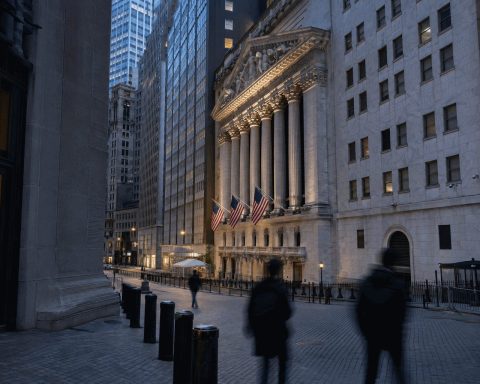
Stocks are coming into the new week still holding onto gains but with a key Fed decision on tap. The Dow climbed 353.51 points, or 0.70%, to end at 51,202.26 Friday. The S&P 500 finished up 0.50% at 7,431.46, and the Nasdaq Composite added 0.31% to 25,888.84. Easing oil, optimism over a possible U.S.-Iran pact, and the much-anticipated SpaceX IPO moved markets.
Stocks are moving on interest-rate bets. Higher rates can weigh on equities by lifting borrowing costs and making bonds look better to investors. Lower inflation or a softer Fed could boost price-to-earnings multiples, which track prices against expected profits. Reuters said investors are watching to see if the new Fed signals a “hawkish hold”—keeping rates steady, but hinting at possible future hikes. Reuters
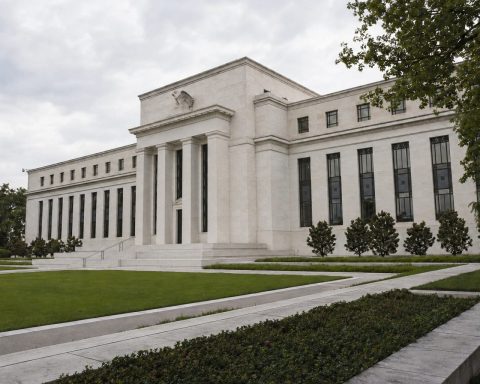
Fed meeting in focus as investors eye rates, retail salesThe key event this week is Wednesday’s Federal Open Market Committee meeting. The FOMC sets short-term U.S. interest rates. The Fed’s calendar shows the meeting goes June 16–17. The policy statement comes out at 2:00 p.m. ET, followed by a press conference at 2:30 p.m. ET on June 17. Federal Reserve May retail sales hit at 8:30 a.m. ET that day, before the Fed’s call. The Census Bureau says that release is also June 17. Retail sales measure consumer demand, important for company revenues.
The bullish view is that profits are still carrying the market. FactSet’s latest Earnings Insight report put estimated S&P 500 earnings growth for the second quarter at 21.9%, with analysts looking for 23.2% growth in 2026. Positive guidance has been running above the historical norm, according to FactSet. That’s the key support for the case that the S&P 500 can keep moving even if rate cuts don’t come soon, as long as AI spending and energy earnings keep making up for weakness in other areas.
Inflation is starting to reassert itself, the bear case goes. The Consumer Price Index climbed 4.2% in the year to May, with energy responsible for more than 60% of the monthly rise, government data show. Bureau of Labor Statistics Producer prices gained 1.1% in May and were up 6.5% from a year ago, raising concerns about squeezed margins and keeping the Fed’s attention on inflation, not on swings in equities.
Valuation is a sticking point too. FactSet puts the S&P 500’s forward 12-month price-to-earnings ratio at 20.1, which is higher than the five-year average of 19.9 and the 10-year average of 19.0. FactSet That doesn’t mean the market is stretched as long as earnings go up, but it cuts the margin for error if the Fed turns more hawkish, retail data sours, oil prices climb, or tech stocks fall again.
Broad U.S. equities don’t look cheap here. Any next move seems more tied to the Fed’s tone Wednesday than Friday’s bounce. If the Fed’s message changes the rate investors use to discount earnings, stocks could swing. The NYSE is closed Friday for Juneteenth, so trading late in the week could get thin and moves around the Fed and retail sales data could sharpen.
Related articles: Federal Reserve