
Singapore, Jan 24, 2026, 17:42 (SGT)
- ST Engineering inked a five-year nacelle MRO contract to back LOT Polish Airlines’ fleet of 15 Boeing 787 Dreamliners
- The programme introduces predictive maintenance, moving repairs from reactive responses to data-driven scheduling
- On Friday, ST Engineering shares last traded at S$9.36
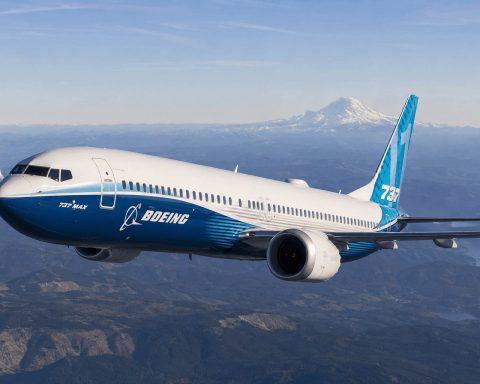
On Jan. 22, Singapore’s ST Engineering inked a five-year deal to back LOT Polish Airlines’ 15 Boeing 787 Dreamliners. The pact broadens its scope to engine nacelle work and introduces predictive maintenance to the mix.
Timing is crucial as airlines have pushed over the last year to keep long-haul jets flying longer hours with tighter schedules. When a high-value part fails unexpectedly, the knock-on effects escalate quickly.
Predictive maintenance aims to stay one step ahead. By analyzing operating data, it spots issues sooner, allowing shop visits to be scheduled rather than forced by unexpected breakdowns.
Singapore Business Review, referencing a bourse filing, reported that the refurbishment programme will shift LOT’s nacelle lifecycle management from reactive fixes to a data-driven planning model. The plan employs “soft time-based scheduling” alongside predictive reliability models to slash unscheduled removals, speed up turnaround, and lower the total cost of ownership for the 787 fleet. Singapore Business Review
LOT technical operations managing director Wiktor Radon described the programme as “a strategic investment,” emphasizing that predictive maintenance will lead to “fewer unscheduled events” and “assured turnaround times,” boosting aircraft availability. Henrik Scholtfeldt from ST Engineering highlighted that the predictive aspect is set to enhance service consistency while driving greater cost efficiency and operational resilience. | Airline Economics Ltd
MRO stands for maintenance, repair, and overhaul — the intensive, planned work that keeps aircraft and their parts flight-ready. A nacelle, the casing around an engine and its supporting systems, is expensive, intricate, and often a bottleneck when planes see heavy use.
ST Engineering highlighted its commercial aerospace division’s 50-plus years in engine-nacelle work, operating facilities in Stockholm, Baltimore, Melbourne, and Xiamen. The company also relies on service centres and exchange-unit pools scattered globally. Its nacelle programs hold certifications from aviation authorities and have been approved by major players like Boeing, Airbus, Safran, and Collins Aerospace.
This deal hits a crowded segment of aviation services. Regional and global MRO players, like Singapore’s SIA Engineering and Europe’s Lufthansa Technik, vie for multi-year contracts that keep hangars busy and cash flow stable amid fluctuating airline budgets.
The contract value wasn’t revealed. ST Engineering shares ended at S$9.38 on Jan. 22, slipping nearly 2% that day. They’ve roughly doubled in the past year, according to The Edge Singapore.
The stock closed at S$9.36 on Jan. 23, slipping 0.21% for the day, per historical data from Investing.com.
Predictive maintenance only works when the data is accurate and the models are spot on. Miss the real wear patterns, and airlines face unscheduled removals anyway. That leaves MRO providers stuck with labor and parts expenses, while customers haggle harder over pricing in the next contract renewal.
Related articles: Aerospace