
NEW YORK, June 24, 2026, 17:05 (EDT)
- Transocean shares dropped 4.5% to $5.04 with crude sliding.
- Backlog got a boost from new contract wins, but falling oil prices are putting pressure on offshore spending.
- The proposed Valaris deal is still front and center, as the U.S. antitrust review hasn’t wrapped up yet.
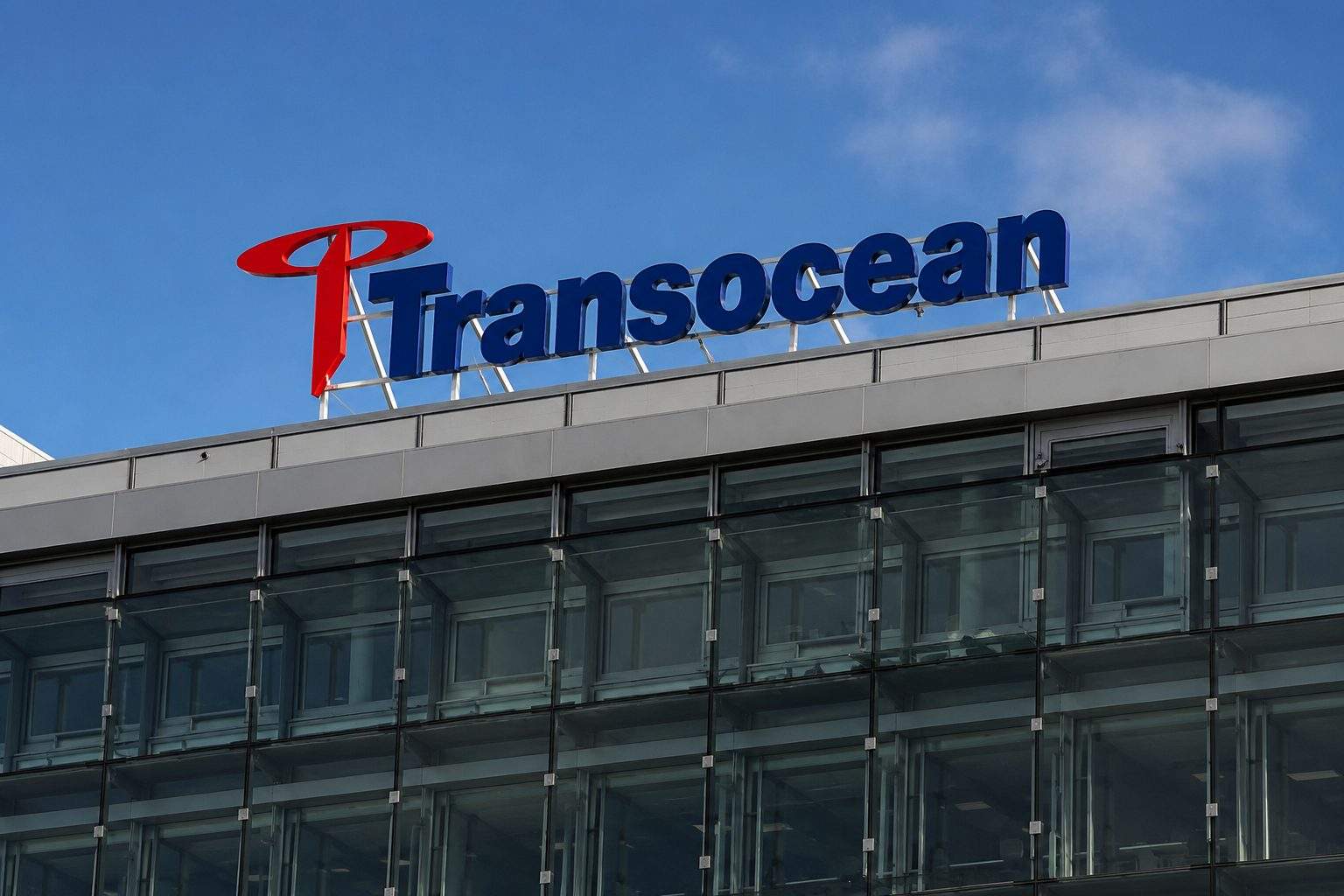
Transocean Ltd. shares dropped on Wednesday after oil prices tumbled, sending offshore drilling stocks lower. The slide took out demand for some energy service names, pressuring the sector.
Transocean shares ended 4.5% lower at $5.04 on the New York Stock Exchange. Trading volume topped 42 million shares. The stock moved between $5.02 and $5.28 for the session.
Brent crude fell $3.34 to $73.74 a barrel at the close. U.S. West Texas Intermediate dropped $2.87 to $70.34. Both benchmarks slid as supply concerns around the Strait of Hormuz receded. Tim Waterer, chief market analyst at KCM Trade, said Iranian output and exports could go up “weeks rather than months” if sanctions drop. Reuters
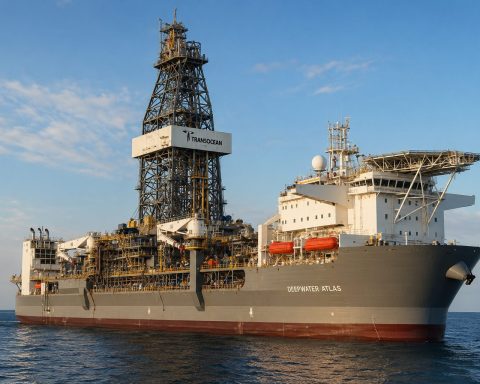
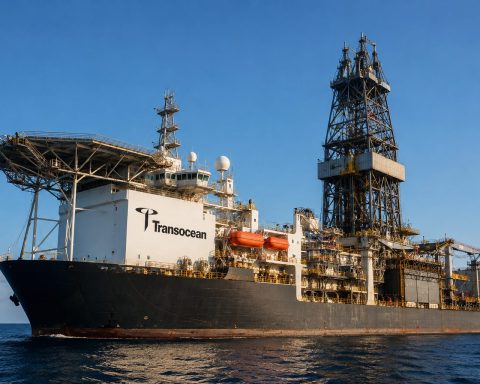
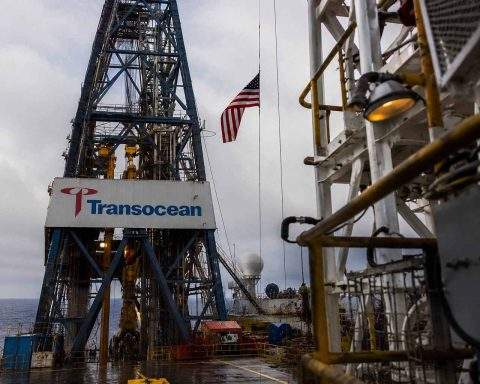
Transocean earns the bulk of its revenue leasing rigs to oil and gas companies. The company operates in both ultra-deepwater drilling, targeting very deep offshore sites, and harsh-environment drilling, which involves floating rigs meant for tough sea conditions.
Transocean’s latest update dropped last week, as the firm announced two harsh-environment semis had secured contracts totaling about $185 million in backlog. Backlog is contracted revenue that hasn’t been earned yet. The Transocean Norge picked up a five-well job in Norway with Harbour Energy, valued at around $149 million. The Transocean Equinox landed a two-well contract for Santos in Australia, worth roughly $36 million.
Transocean said its total backlog hit roughly $7.1 billion as of May 4, boosted by about $1.6 billion from five new fixtures. The company posted contract drilling revenue of $1.08 billion for the first quarter, with net income at $71 million. Adjusted EBITDA came in at $440 million. Adjusted EBITDA strips out interest, taxes, depreciation and amortization as well as some other items. CEO Keelan Adamson called it “early days of a multi-year upcycle.” Deepwater
Losses hit other drillers too. Valaris, the company Transocean said it will buy back in February, dropped 3.8%. Noble slipped 6.6%. Seadrill was down 5.2%.
Valaris is in talks for an all-stock deal worth around $5.8 billion. Transocean shareholders would hold about 53% of the merged company, leaving Valaris holders with the rest. Adamson said back in February the move would “accelerate debt reduction,” and leverage should land near 1.5 times within two years of closing. Deepwater
Still, the risks here are clear. Falling oil prices can hit spending on exploration before any new rig contracts are set. The Valaris deal faces delays too. Transocean and Valaris got a U.S. Justice Department “Second Request” for more antitrust files on May 4. The waiting period goes to 30 days after both firms comply, unless regulators extend it or close the review early.
Related articles: NYSE:RIG


![Asia Stock Market Today 25/08/2026 [UPDATE: 00:18 SGT] [Alibaba Extends Asia Tech Rout Into KASE Global Close]](https://ts2.tech/wp-content/uploads/2026/08/Asia-market-dashboard-2026-08-25-0018-480x384.jpg "Asia Stock Market Today 25/08/2026 [UPDATE: 00:18 SGT] [Alibaba Extends Asia Tech Rout Into KASE Global Close]")