
NEW YORK, June 2, 2026, 17:03 EDT
- Transocean traded between $6.23 and $6.43 before ending nearly flat at $6.25 as of 4:40 p.m. EDT.
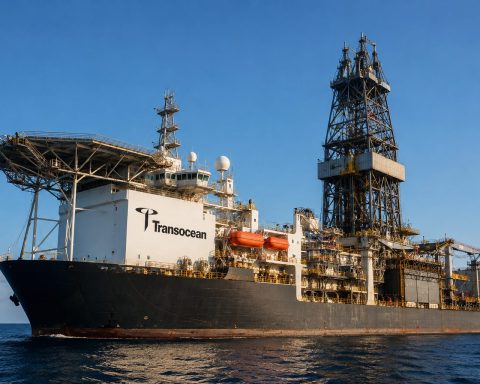
- Carnarvon Energy said it has signed up the Transocean Equinox rig for drilling work in the Bedout Sub-basin off Western Australia in 2027.
- The main issue for the stock is still the Valaris deal, which hasn’t closed yet, and the ongoing U.S. antitrust review.
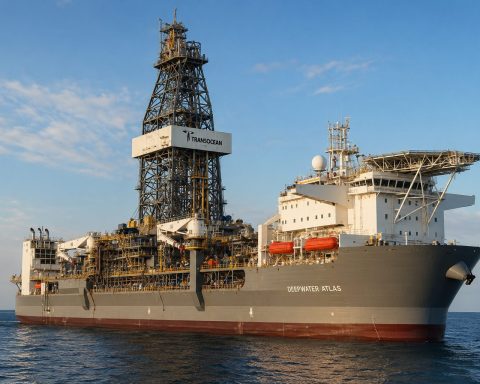
Transocean Ltd. shares saw little movement late Tuesday as a new Australian rig contract offered investors one more small sign in the ongoing offshore drilling recovery.
The stock traded on the NYSE finished at $6.25 at 4:40 p.m. EDT, down 0.08%. Volume topped 35 million shares. During the day, the price stayed in a tight band, trading between $6.23 and $6.43.
Transocean’s stock is moving as investors focus less on any single rig win and more on whether the company can keep building its backlog — that’s contract revenue it hasn’t booked yet — as it pays down debt. Last month, Transocean reported total backlog of $7.1 billion after securing roughly $1.6 billion in new contracts with an average dayrate near $410,000, the fee paid per day to use a rig.
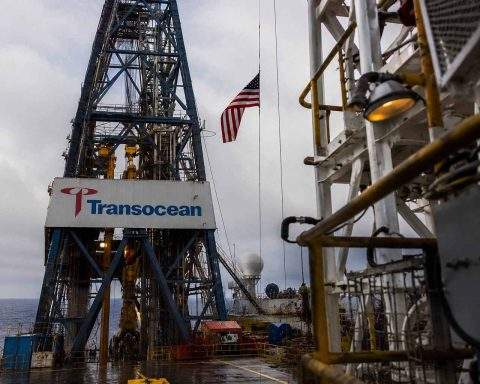
Carnarvon Energy said it hired the Transocean Equinox, a semisub rig, for a multi-well job in the Bedout Sub-basin starting April 2027. The plan has a firm well and a possible second well. Prospects on the shortlist are Ara, Yuma, Goats Eye and Hutton.
Carnarvon CEO Philip Huizenga said the signing was “a significant milestone” for the company, and said they expect to drill “at least one, and potentially two” high-impact wells in the next year. Carnarvon estimated its potential outlay at around A$20 million if both wells go ahead, drawing on a cash balance of A$98 million as of March 31.
Equinox’s award is minor compared with Transocean’s new deals in Brazil and Norway. In April, Transocean said it picked up around $1.0 billion in extra firm backlog between Vår Energi in Norway and Petrobras extensions in Brazil. That also includes a 1,095-day contract for Transocean Barents at $450,000 a day.
That’s what kept the stock from breaking out on Tuesday. Investors had already priced in a bigger backlog reset, while Tuesday’s Australia news just showed that companies are still tendering outside the well-known Brazil and Norway deals.
Valaris slipped 0.7%. That’s the driller Transocean is set to buy. Noble held steady, while Seadrill lost almost 0.9% as peer names saw little change.
Transocean’s planned $5.8 billion all-stock buyout of Valaris is still the big story on the competitive front. If it closes, the combined company would hold 73 rigs and have an enterprise value near $17 billion. Transocean holders would get 53% of the new company, Valaris holders 47%. “We know that our debt level negatively impacts our equity value. This transaction addresses that,” CEO Keelan Adamson said in announcing the deal. Reuters
Antitrust review is slowing things down. Transocean and Valaris got a U.S. Department of Justice request for more details on May 4, which pushes out the waiting period by at least 30 days after both companies finish responding. That window could still shift if the parties agree or if the DOJ wraps up early.
Oil prices offered some lift to the sector as Brent crude closed at $96 a barrel, and U.S. West Texas Intermediate ended at $93.76 with traders focused on U.S.-Iran talks and ongoing supply worries. Higher oil prices could drive offshore drilling demand later, but producers usually set rig budgets long before drilling actually ramps up.
Risks to the stock are clear—if oil drops, if customers delay awards, or if the Valaris review keeps dragging, the backlog premium could get wiped out. The Carnarvon job set for 2027 only covers one well for now, so it’s no short-term help with cash. Transocean’s filings also name oil and gas prices, customer activity, possible delays, and the Valaris process as risk items.
Transocean shares are taking the Australian contract more as a sign things are holding up than a spark for a new rally. The main question now is if more deals show up at strong rates, turning the company’s backlog into cash before debt and merger noise wear down investors.
Related articles: NYSE:RIG