
WASHINGTON, May 7, 2026, 08:04 EDT
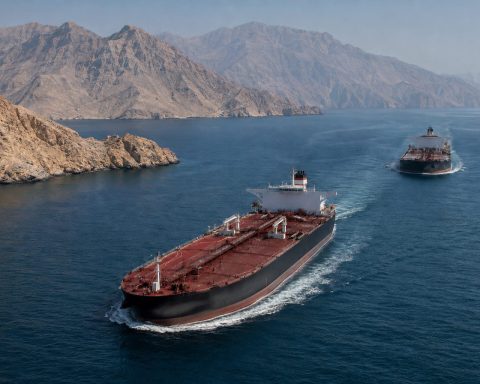
Brent crude slipped under $100 a barrel on Thursday as the U.S. and Iran moved closer to a tentative deal to pause their conflict—a step that relieves some pressure on President Donald Trump but keeps U.S. gasoline prices hovering near multi-year highs. According to Reuters, the draft agreement aims to halt hostilities, shore up shipping in the Strait of Hormuz, and create a 30-day window for broader negotiations, though key nuclear issues would remain unsettled.
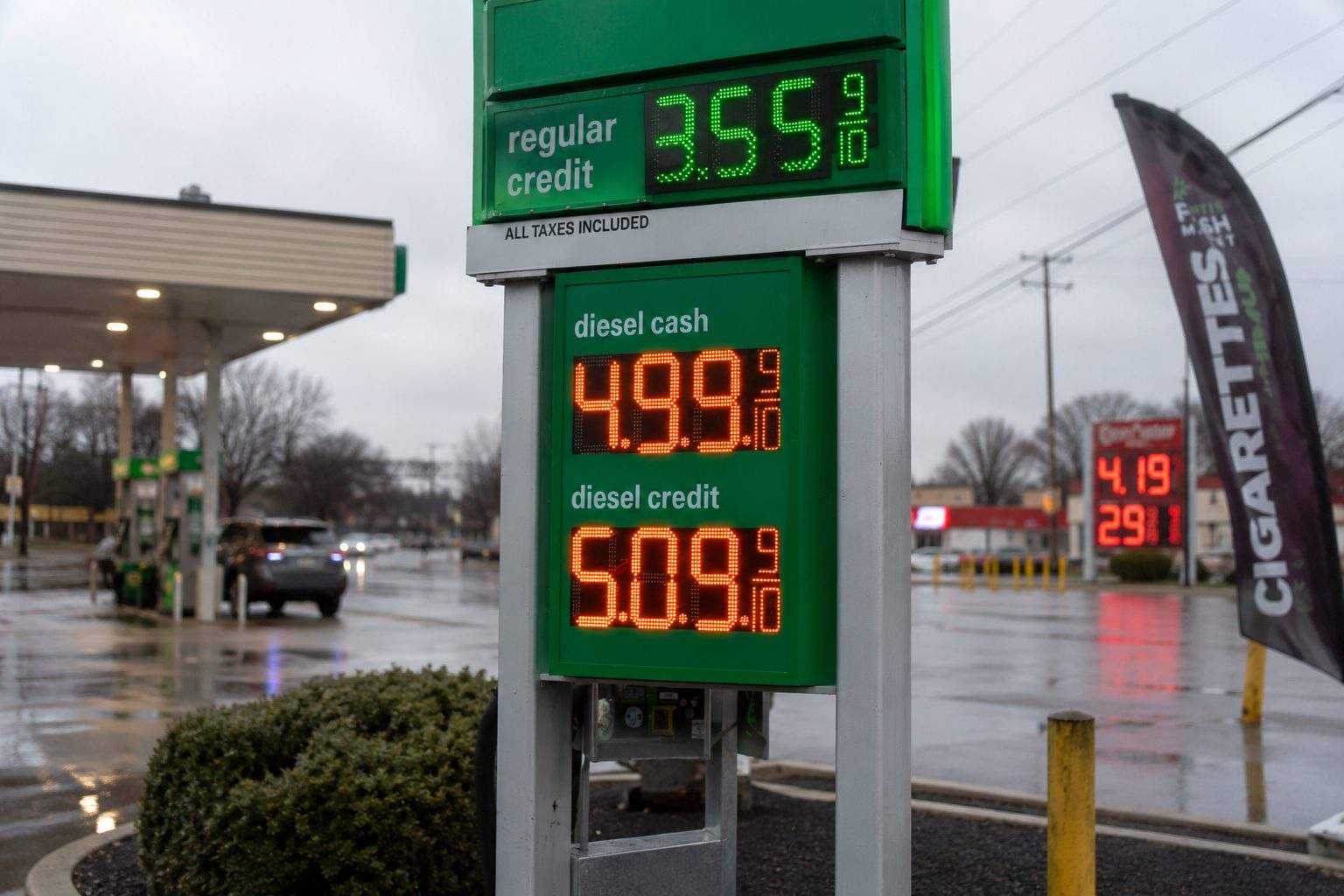
So far, drivers aren’t seeing much benefit. The U.S. average for regular gas climbed to $4.558 per gallon on May 7, according to AAA, nudging higher from $4.536 the previous day and $4.300 a week earlier. Diesel? That’s even higher, at $5.674.
This is hitting right as the summer driving season approaches. Household finances are feeling the strain, and the midterm elections are looming larger. On Wednesday, Bank of America economist Stephen Juneau said in a note that consumers shouldn’t expect “meaningful relief for a while”—gasoline prices could hover near $4 all summer. Investopedia
The policy debate is focused on what some analysts have dubbed Trump’s “nuclear option”—slapping restrictions on U.S. oil exports to retain more supply domestically. According to The Independent, which cited reporting from CNN, Interior Secretary Doug Burgum and Energy Secretary Chris Wright both indicated the White House isn’t actually weighing the measure in earnest. The Independent
There’s a certain straightforward logic: boost domestic supply, and gasoline prices might drop quickly. But RBN Energy’s Robert Auers told CNN any relief at the pump could vanish in under a year. On top of that, Macquarie’s Vikas Dwivedi flagged the risk of triggering “a global recession,” while Rapidan Energy Group’s Bob McNally argued it could undercut the U.S. image as a reliable energy supplier. The Independent
It’s a complicated setup. The U.S. pumps out a lot of oil, but a big chunk of domestic output is light shale crude—most refineries here are still configured for heavier imports. According to AP, just 60% or so of what U.S. refineries process comes from within the country. Gasoline prices, meanwhile, have been moving in step with oil, and often without much lag, said Bob Kleinberg at Columbia University’s Center on Global Energy Policy.
Brent crude slid 2.5% to $98.77 a barrel as of 1107 GMT Thursday. U.S. West Texas Intermediate was off 2.6%, priced at $92.61. “Between diplomacy and disruption—that’s where oil markets have lingered for over two months,” said Priyanka Sachdeva, senior market analyst at Phillip Nova. Trading desks are still weighing talks over tankers. Reuters
It’s a tight market. U.S. crude inventories dropped by 2.3 million barrels for the week ended May 1, according to the Energy Information Administration. Gasoline stocks were off by 2.5 million barrels, and distillate supplies — covering diesel and heating oil — sank to levels last seen in 2005. Andy Lipow of Lipow Oil Associates pointed to exports: the U.S. has been sending fuel abroad to cover shortages caused by Middle East turmoil.
Even if the parties strike a deal, don’t expect oil flows to bounce back instantly. Paola Rodriguez-Masiu, Rystad Energy’s chief oil analyst, points to a “six-to-eight-week lag” between when reliable access through Hormuz resumes and when actual volumes normalize. On the other hand, Raymond James analyst Pavel Molchanov figures even a partial agreement could start easing shipping bottlenecks and bring some relief at U.S. gas stations in as little as one to two weeks. Reuters
Traders are eyeing fresh risks to the so-called peace trade. Iran dismissed the U.S. offer as an “American wishlist.” Trump, meanwhile, has threatened to restart bombing if Tehran rejects the terms. French shipper CMA CGM reported that one of its vessels came under attack in the Strait of Hormuz. Markets remain sensitive—just one new headline can send prices swinging. The Guardian
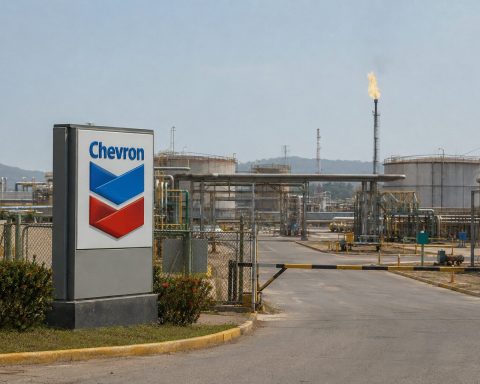
The oil giants are back in focus. Trump said he sat down this week with Chevron and ExxonMobil officials about Venezuela—one more lever to pull on supply. Reuters columnist Ron Bousso added that export restrictions might hit refiners’ margins, pushing plants to cut rates and deepening shortages both in the U.S. and abroad.
Clean energy’s impact will take years; it won’t bring quick relief at the gas pump. The EIA projects solar’s share of U.S. electricity generation will climb to 8% by 2026 from 5% in 2024. Still, prices at the pump depend largely on crude oil, plus taxes and refining or distribution costs. Crude alone accounted for about 51% of the 2025 retail price of regular gasoline.
Related articles: Energy