
NEW YORK, June 18, 2026, 13:05 EDT
- AAA said the average price for regular gas in the U.S. dropped to $3.999 on Thursday, the lowest below $4 since March.
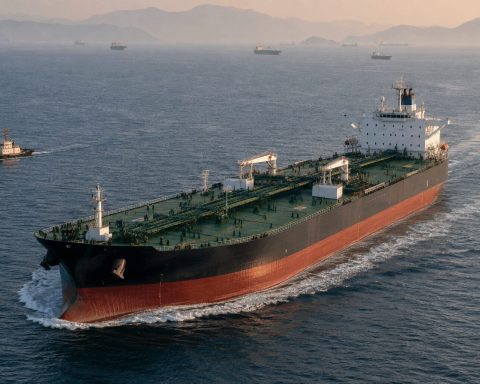
- Crude prices fell after the U.S. and Iran struck an interim deal aimed at reopening the Strait of Hormuz and easing a supply shock that had pushed up oil and gasoline prices.
- Banks are warning that any relief for consumers will likely take time. They cited shipping risks, stalled production, and mine-clearing as reasons oil flows could stay below normal for months.
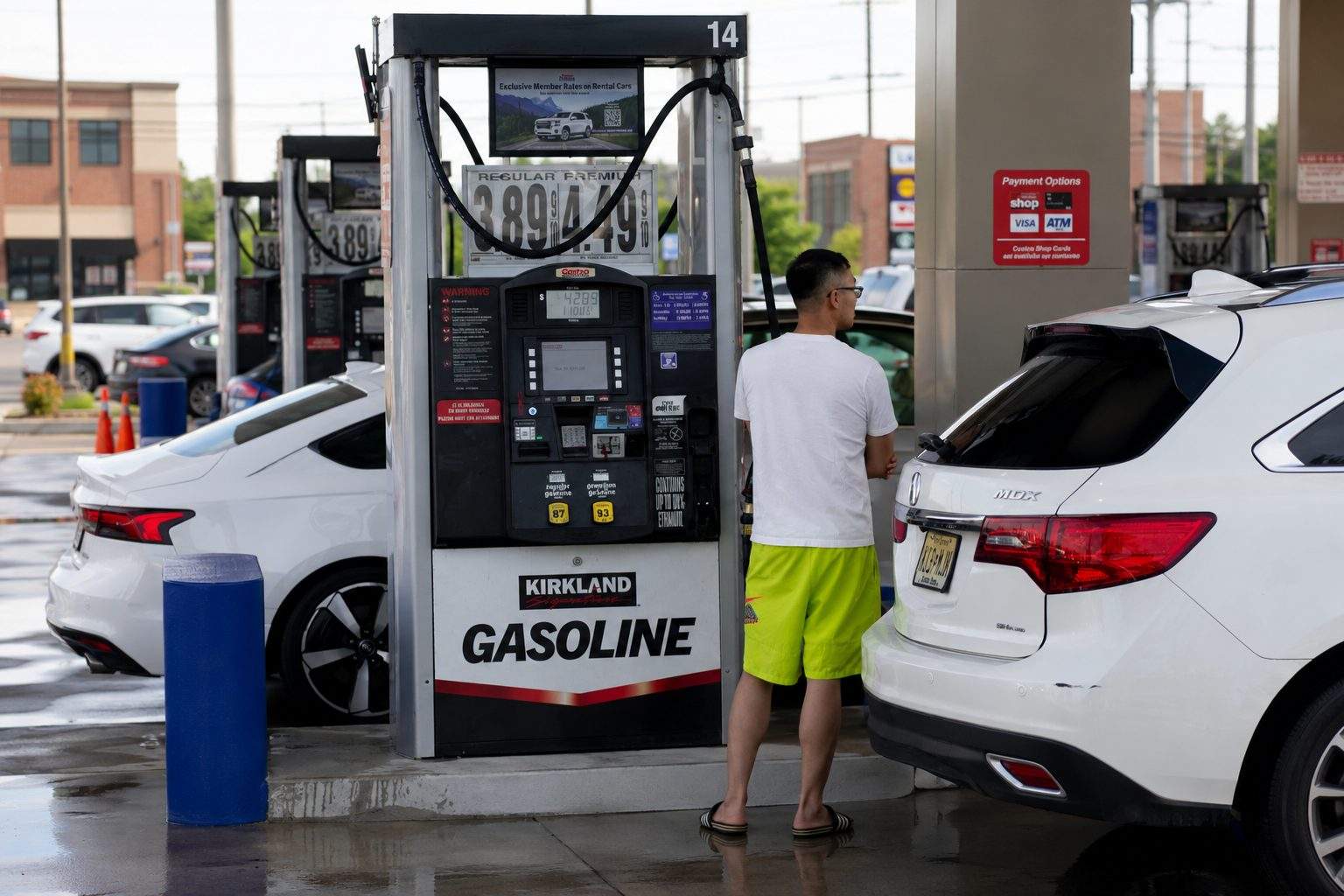
Gasoline prices in the U.S. dropped under $4 a gallon on Thursday, giving some relief to drivers after the Iran war sent prices higher and made the Strait of Hormuz the key risk for energy traders. The average price nationally was $3.99, according to AAA data cited by the Washington Post.
Oil’s drop is getting attention with the Trump administration pushing to turn a temporary deal with Tehran into more secure shipping through Hormuz, which carries around a fifth of world oil. Drivers are seeing some relief, but prices are still high—AP says average gas is about 25% more expensive than this time last year.
Trump and Iran’s President Masoud Pezeshkian have signed an MOU to open the Strait of Hormuz and drop the U.S. blockade on Iranian ports. The version sent to Congress shows Iran will let commercial ships pass for free for 60 days, and Washington will drop its blockade in 30 days.
Oil was lower as traders reacted quickly. Brent crude dropped 2.33% to $77.69 a barrel by late morning in Houston, with U.S. West Texas Intermediate down 2.46% at $74.90, Reuters said. Phil Flynn at Price Futures Group said the possible reopening of Hormuz “removed the big risk premium” from the market. Reuters
Market signals show less risk than political ones. Traders see a smaller risk of a long supply crunch, but they’re not buying a full reset to prewar conditions. That’s key for pump prices. Gas tends to lag oil because stations and refiners sell off old inventory bought at higher prices.
Big state-by-state differences are holding. AP said California gas averaged $5.64 a gallon, while drivers in South Carolina saw $3.58. Factors like refinery supply, taxes, and transport mean the national average doesn’t always line up with what drivers are paying in different places.
GasBuddy’s Patrick De Haan told CBS News that if Iran is allowed back into the oil market, global inventories may recover faster. He said gas prices might keep dropping as long as “there isn’t a drastic reversal” in talks between the U.S. and Iran. CBS News
But any relief could be short-lived. Goldman Sachs is looking for Gulf exports to get back to normal by the end of July, with crude output following by October. Bank of America says mine clearance could drag on for months. Even after official word that the channel is open, shipowners might hold back, keeping flows down.
IEA head Fatih Birol said he backed the deal but called for the strait to be reopened “without conditions” so markets see it as secure. Birol also credited Saudi Arabia and the UAE for setting up alternative routes outside Hormuz, saying it helps those countries make a stronger case for supply reliability after the crisis. Reuters
Politics still look unsettled. Vice President JD Vance said Thursday marked the start of a 60-day negotiating window, with final Hormuz governance terms to be hammered out later. Reuters reported most analysts doubt a complete settlement will be possible in that timeframe.
Gasoline is now selling at $3.999, staying just under the $4 mark that tends to catch drivers’ eyes at the pump. But AAA says that’s still far higher than the $3.188 average from this time last year.
Related articles: NYSE:BAC