
Islamabad, June 15, 2026, 03:04 (PKT)
- Pakistan said the U.S. and Iran have agreed to a peace deal, with a signing set for June 19 in Switzerland.
- Trump said the deal opens up the Strait of Hormuz again and lifts the U.S. Navy blockade.
- Oil prices dropped hard ahead of a deal, but some officials and analysts are warning there are still risks to getting it done.
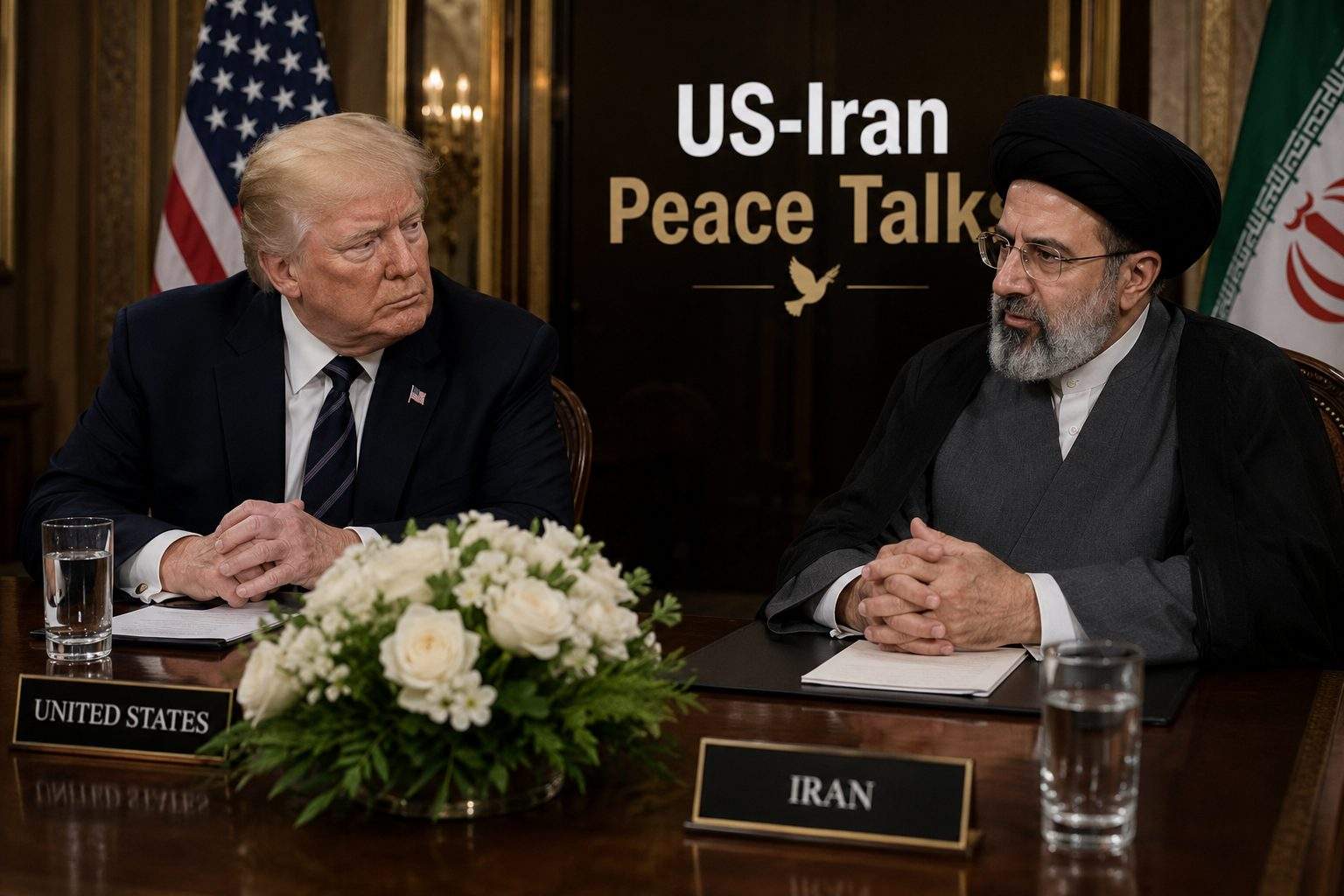
Pakistan said the US and Iran have agreed to end their war, with a formal signing set for Friday, June 19, in Switzerland. The announcement points to a diplomatic deal meant to reopen the Strait of Hormuz and bring some stability to energy markets. Prime Minister Shehbaz Sharif said the agreement would mean “the immediate and permanent termination of military operations on all fronts, including in Lebanon.” Reuters reported the exact terms were not clear. Reuters
President Donald Trump announced on Truth Social that the agreement with Iran is done. “The Deal with the Islamic Republic of Iran is now complete,” Trump wrote. He said he gave the go-ahead to “toll free opening” of the Strait of Hormuz and ordered the U.S. Navy to lift its blockade. “Ships of the World, start your engines. Let the oil flow!” he posted. The Guardian
Israeli strikes on the southern suburbs of Beirut sparked a tense day, jeopardizing the diplomatic push at the finish line. Iran put the blame on the U.S. over the attack, warning of a “strong response,” according to Reuters. Trump weighed in, calling the strike a mistake: “This morning’s attack on Beirut should not have happened, particularly on a special day when we are so close to a Peace Deal with Iran.” Reuters
Reuters reported that, according to several sources, draft deal terms would reopen the Strait of Hormuz, end the U.S. blockade of Iranian ports and extend the current ceasefire. Iran’s nuclear program would get a 60-day window for talks. One senior Iranian official said the draft also covered releasing $25 billion of frozen Iranian assets and an Iranian pledge not to produce or obtain nuclear weapons.
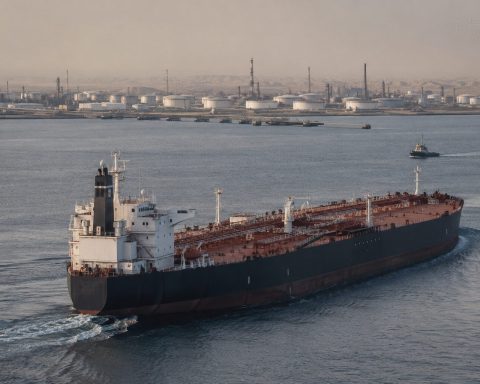
Energy is in focus, with the Strait of Hormuz a key route for oil and gas shipments. The U.S. Energy Information Administration said more than a quarter of the world’s seaborne oil trade and about one-fifth of global oil and petroleum product use moved through the strait in 2024 and the first quarter of 2025. Around a fifth of global LNG trade passed through the strait in 2024, according to the U.S. Energy Information Administration.
Brent crude dropped $3.05, or 3.37%, to finish at $87.33 a barrel on Friday, with U.S. West Texas Intermediate down $2.83, or 3.23%, to $84.88, its lowest since April 17, Reuters said. The market had mostly priced in expectations of a deal. “What’s got the market going down is the Iranians saying there is a memorandum of understanding,” John Kilduff, a partner at Again Capital, told Reuters. Reuters
Traders and diplomats are still facing a fragile period for implementation. Tamas Varga at PVM Oil Associates told Reuters, “headlines are driving the market once again as confidence grows that an eventual deal will be struck and the Strait (of Hormuz) reopens.” Varga said low oil stocks in the region and worldwide could keep risks high, since it may take time for steady oil flows to resume. Reuters
Related articles: Energy Markets