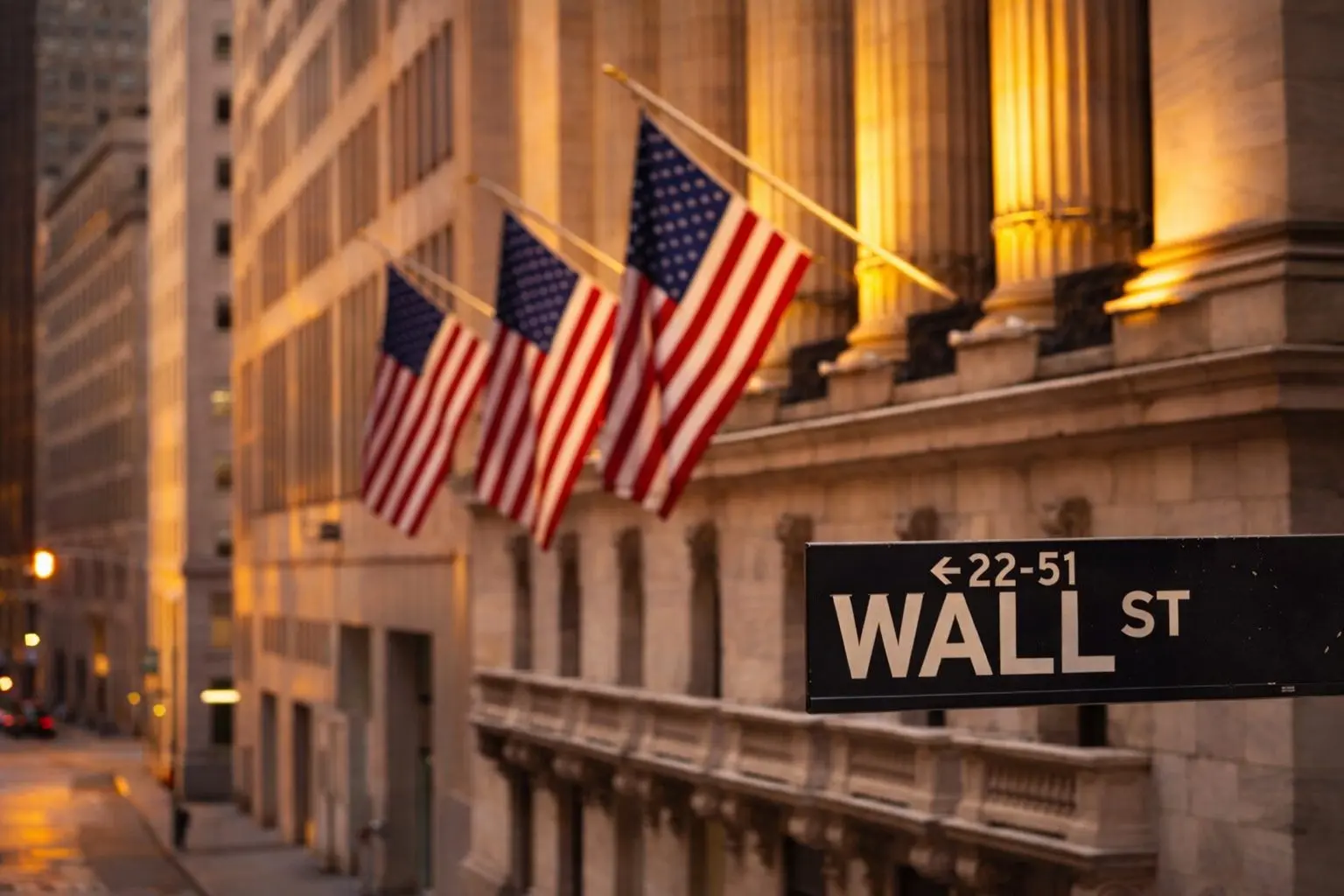
New York, Feb 20, 2026, 13:37 EST — Regular session
- After the U.S. Supreme Court tossed out President Donald Trump’s global tariffs, both the S&P 500 and Nasdaq climbed.
- Fourth-quarter GDP growth lost momentum, and December’s PCE inflation surprised to the upside.
- Traders eyed PMI data and Michigan sentiment, searching for hints on demand and the timing of potential rate cuts.
Stocks in the U.S. moved higher Friday, following the Supreme Court’s decision to overturn President Donald Trump’s broad “Liberation Day” tariffs. The ruling offered relief to consumer companies with significant import exposure after a turbulent period for riskier assets. By 11:56 a.m. ET, the Dow ticked up 0.23%, the S&P 500 advanced 0.64%, and the Nasdaq jumped 1.10%. https://www.reuters.com/business/us-stock-…
The decision hit during a packed stretch for economic data, leaving investors juggling optimism from trade policy relief with fresh numbers hinting at cooling growth and persistent inflation. Both factors feed right into rate expectations. Markets have been counting on the Federal Reserve moving toward cuts by midyear—hoping inflation won’t flare back up if they do.
The Commerce Department reported gross domestic product climbed at just a 1.4% annualized pace in the fourth quarter, well under the 3.0% forecast from economists in the Reuters poll. The data also highlighted a 0.4% December gain in the personal consumption expenditures (PCE) price index— the Fed’s go-to inflation measure — and a matching 0.4% uptick for core PCE, both accelerating from November’s numbers. https://www.reuters.com/world/us/us-econom…
Later in the morning, survey numbers pointed to a loss of momentum. S&P Global’s flash composite PMI, which covers both manufacturing and services activity, eased to 52.3 in February—the lowest reading in nearly a year but still above the growth threshold. “The PMI data so far this year are indicative of GDP rising at an annualized rate of just 1.5%,” Chris Williamson, chief business economist at S&P Global Market Intelligence, said. https://www.reuters.com/business/us-busine…
The University of Michigan’s final read on February sentiment landed at 56.6—almost flat versus January. One-year inflation expectations slipped to 3.4%. Director Joanne Hsu called out “stagnated” sentiment, with high prices still weighing on household finances for many. https://www.sca.isr.umich.edu/
Fed officials stuck to inflation and tariffs. Dallas Fed President Lorie Logan called current policy “well positioned,” voicing “cautious optimism” that inflation is easing toward the target. Still, she isn’t convinced the 2% mark is close, citing uncertainty from tariffs. https://www.reuters.com/business/feds-loga…
Equity markets saw a pivot back into trade-exposed and consumer-focused stocks that had taken hits from tariff news. Shares of Hasbro, Mattel, and Wayfair jumped following the verdict. Homebuilders and several solar plays caught a bid as well—part of a broad relief rally, as investors weighed the likely impact of rolling back tariffs on pricing and input costs. https://www.reuters.com/legal/government/u…
Tech stocks gave a lift too—Alphabet jumped 4.5%, putting the communication services sector at the top of the leaderboard. Nasdaq led the way, though investors are still hashing out whether those big bets on AI are delivering returns quickly enough.
Tech’s gains didn’t reach everyone. Shares of Akamai fell after the company projected first-quarter adjusted earnings that missed forecasts. CEO Tom Leighton pointed to pricier memory components, squeezed by AI-related demand, as a key pressure. To blunt the cost hit, Akamai is weighing price hikes. https://www.reuters.com/technology/akamai-…
Blue Owl slid once more as the market absorbed news of its move to offload $1.4 billion in assets from three separate funds and revamp payouts for a non-traded debt product. “We think this is a difficult short-term patch,” co-president Craig Packer said on CNBC. Truist’s Brian Finneran pointed to investor “pushback” over Blue Owl’s decision to sell assets to its own insurance affiliate. Shares in Apollo and KKR were also hit. https://www.reuters.com/business/finance/b…
The tariff win isn’t without strings. Markets are still watching for word on whether Washington will have to hand back as much as $175 billion in tariff revenue—and if the White House will look for fresh ways to levy duties. That cocktail has traders jittery about risk and stoking concern over budget deficits, especially in bonds. Yields on the 10-year Treasury crept up to about 4.09% by midday, according to Reuters. https://www.reuters.com/world/us/us-suprem…
Traders’ focus shifts to January’s producer price index, set for release Friday, Feb. 27, a key check on pipeline inflation. Eyes are also on the postponed January PCE report, now landing March 13, which offers the Fed’s preferred inflation snapshot, finally clear of shutdown-related delays. https://www.bls.gov/schedule/news_release/… https://www.reuters.com/business/us-pce-in…