Washington, July 14, 2026, 09:08 EDT
- High-tech investment jumped almost 25% over the past four quarters, outpacing total equipment spending, which was up about 8%.
- Core inflation came in at 2.6% for June, and futures for both the S&P 500 and Nasdaq 100 moved higher ahead of the U.S. open.
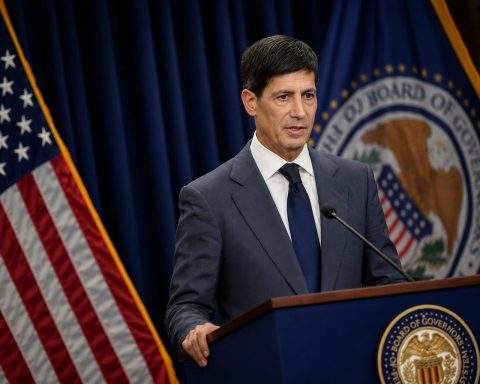
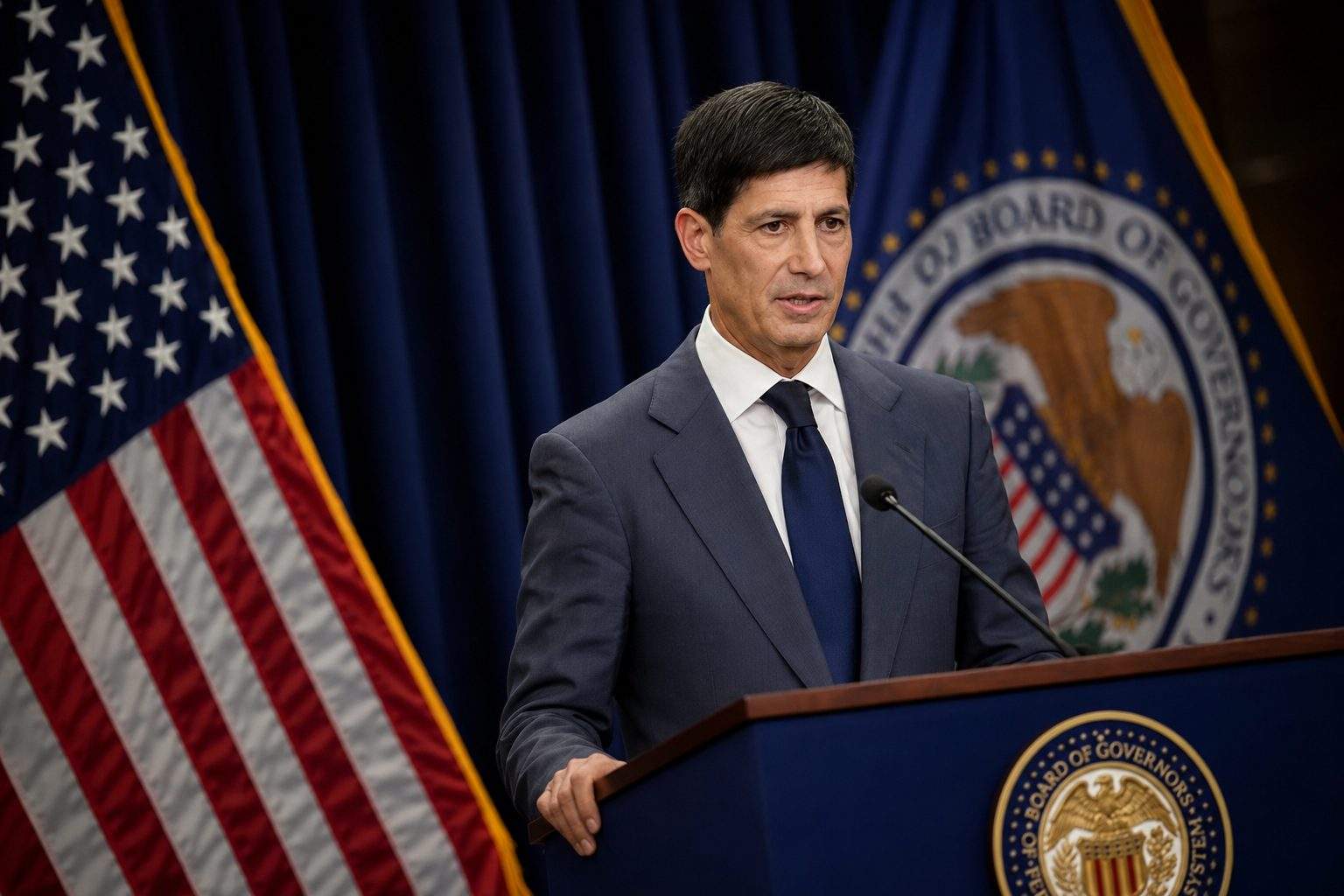
Fed Chair Kevin Warsh is focusing his inflation case on the timing of artificial-intelligence investment, saying demand is hot now while it’s still not clear when or if the productivity gains come through. In comments published before a House hearing Tuesday, Warsh vowed to stop the inflation run of the last five years. He said timing is key.
The new price report backed up that idea. Consumer Price Index dropped 0.4% in June, now up 3.5% year over year, down from 4.2%. Core CPI, which excludes food and energy, was unchanged for the month, easing to 2.6% from 2.9%. Both numbers missed economists’ expectations. The June report means more time, but no guarantees.
At 8:33 a.m. EDT, S&P 500 futures rose 0.48% and Nasdaq 100 futures added 1.38%. Dow futures were flat. U.S. cash equities were still waiting to open at the 09:08 dateline. First move was relief, but no one said all-clear.
The real divide is in capital spending. Equipment outlays went up about 8% in the year through Q1, but high-tech spending climbed almost 25% in the same period — about 3 times faster. Data center builds led the push for AI hardware and software. The Fed said investment outside AI, like in offices and manufacturing, stayed soft. The numbers are lopsided.
The concentration is different from household consumption, which increased at just a 1.3% average annualised rate in the first five months of 2026. First-quarter economic growth came in at 2.1%. The latest data point to capital spending, not households, as the bigger driver of marginal growth, even as demand for semiconductors, computers and industrial metals pushes up input costs. That boom can support growth but also makes disinflation tougher.
| Growth measure | Latest pace | Investor reading |
|---|---|---|
| High-tech equipment and software | Close to 25% on a four-quarter run | Hot AI-led demand |
| Equipment investment overall | Roughly 8% for the year through Q1 | Still strong, quite a bit slower |
| Household consumption | 1.3% annualised average, January to May | Weaker consumer showing |
| Real GDP | 2.1% annualised for Q1 | Growth holding steady |
Rate math shows why a softer CPI print can push stocks higher even if it doesn’t settle the Fed debate. Take the 3.625% midpoint for the policy rate. The real rate—Fed funds minus inflation—is about 1.03 points above June core CPI, but just 0.13 point over headline CPI. With May PCE, the Fed’s main gauge, the gap is 0.23 point for core and -0.48 for headline. So the market can look at the same Fed stance in two different ways.
| Inflation measure | Annual rate | Implied real policy midpoint |
|---|---|---|
| June CPI headline | 3.5% | +0.13 percentage point |
| June CPI core | 2.6% | +1.03 percentage points |
| May PCE headline | 4.1% | -0.48 percentage point |
| May PCE core | 3.4% | +0.23 percentage point |
Warsh kept his comments strictly on message. “If we get policy right—and we will—the inflation surge of the last five years will be a thing of the past,” he said, giving no details about when rates might move. The Fed left its target range at 3.50%-3.75% in June. Traders want clearer signs. Federal Reserve
The Fed’s July report called AI a double-edged shock for the economy, linking higher inflation this spring to tariffs, energy, and AI-driven product demand. At the same time, the Fed noted strong productivity and more productive capacity. For markets, the result hinges on timing. Price and demand impacts show up first, but nobody knows how big or when supply gains will come. That uncertainty is feeding policy risk.
June’s drop might not last long. Energy prices slid 5.7% over the month and drove most of the headline decline. But on Tuesday, the national gas average was back up to $3.86 a gallon, compared with $3.79 a week ago, after more U.S.-Iran fighting. “Lower fuel costs provide welcome relief,” NFIB Chief Economist Bill Dunkelberg said. Still, the group’s survey said 38% of small businesses raised prices, and 21% blamed inflation as their top issue. If prices snap back, the Fed could have less room. Bureau of Labor Statistics
Investors are watching to see if core PCE and business pricing drop while tech investment stays high. If that plays out, AI remains a profit and productivity story, and policy might not need to tighten. If not, the boom in capital spending could keep real rates and borrowing costs up, even as headline CPI slips with energy. Warsh’s thesis could still turn out to be right, just ahead of its time.