SAO PAULO, March 1, 2026, 04:03 (BRT) — Market closed
- An unexpected inflation reading has investors questioning the pace of Brazil’s rate cuts for March.
- Bank stocks and inbound foreign capital remain at the forefront after February’s rally.
- Brazil’s GDP figures land Tuesday, while Friday brings U.S. payrolls, putting both at the center of this week’s risk calendar.
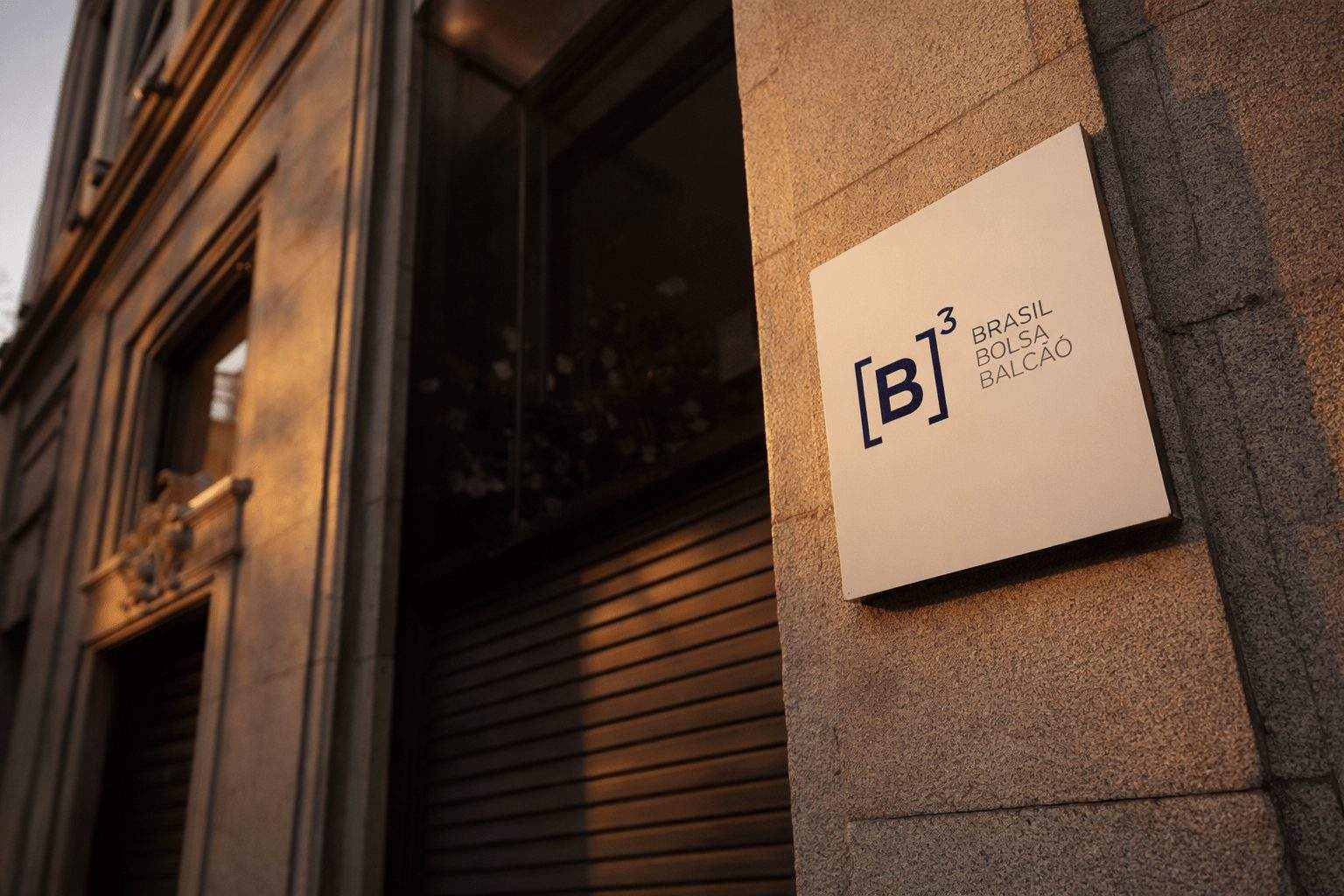
Ibovespa starts March facing some pressure, after shedding 1.16% on Friday to close at 188,786.98, with investors locking in profits following a string of record highs. The index dropped 0.92% for the week but still managed to advance 4.09% in February, figures from B3’s Bora Investir show. Vale lost 0.83% and Petrobras declined 0.71%, PRIO surged 4.11%, while Cosan tumbled 5.27%. Turnover reached 35.7 billion reais.
Why does it matter right now? Inflation’s making more noise. The IPCA-15, Brazil’s mid-month inflation gauge, climbed 0.84% in February—higher than analysts had expected—even as the 12-month pace slowed to 4.10% from 4.50%, according to the latest data. All this hits just as Brazil’s central bank has indicated it will likely cut the Selic benchmark rate in March, after keeping it at 15% since mid-2025. The official target for inflation remains 3.0%, with a margin of plus or minus 1.5 percentage points. “As things stand, we continue to expect a 50-basis-point cut, but the risks to this view have grown,” wrote Kimberley Sperrfechter at Capital Economics. Reuters
Foreign cash is still propping things up, and losing that support isn’t something traders are willing to risk. B3 figures point to net foreign inflows topping 15 billion reais in February through Feb. 25, pushing the year’s tally close to 41.6 billion reais. The dollar finished Friday flat, hovering around 5.13 reais. Felipe Cima, analyst at Manchester Investimentos, flagged that inflation numbers “brought stress” to the local rate curve—prompting some to dial back bets on quicker central bank cuts. CNN Brasil
Company developments played a significant role, as is often the case in Brazil. Bradesco announced plans to launch “Bradsaúde,” merging its health assets—a move CEO Marcelo Noronha valued between 40 billion and 50 billion reais, leaning “more close to 50 billion.” Executives outlined what would be B3’s largest-ever reverse IPO, achieved by injecting assets into a listed entity. UBS BB analysts called the decision “slightly positive” for Bradesco’s capital and flagged potential value creation. Bradesco’s preferred shares jumped roughly 4%, while Odontoprev soared 25% in morning trading, according to Reuters. Reuters
Rates desks stayed tense. Futures contracts on interbank deposits—DIs—settled higher across the curve Friday. The April Ibovespa mini-index futures contract dropped 1.33% at the close, data from InfoMoney showed.
This is a classic challenge for Brazil stocks: rates and capital flows often reverse course fast. Should Tuesday’s GDP data reveal stronger-than-expected growth — or if services inflation refuses to ease — traders might rethink the odds of a half-point cut in March. That would send long-end yields higher and put pressure on local rate-sensitive shares. Foreign inflows, a key support for Brazil’s recent rally, could also face a shakeup if global risk assets stumble.
Markets won’t have to wait long for fresh data. S&P Global points to Brazil’s Q4 GDP out Tuesday, March 3, with U.S. non-farm payrolls landing Friday, March 6. PMI releases roll out globally, offering a potential shakeup for growth and rates forecasts. Brazil’s February trade balance is also set for Friday.