
NEW YORK, March 9, 2026, 10:53 EDT
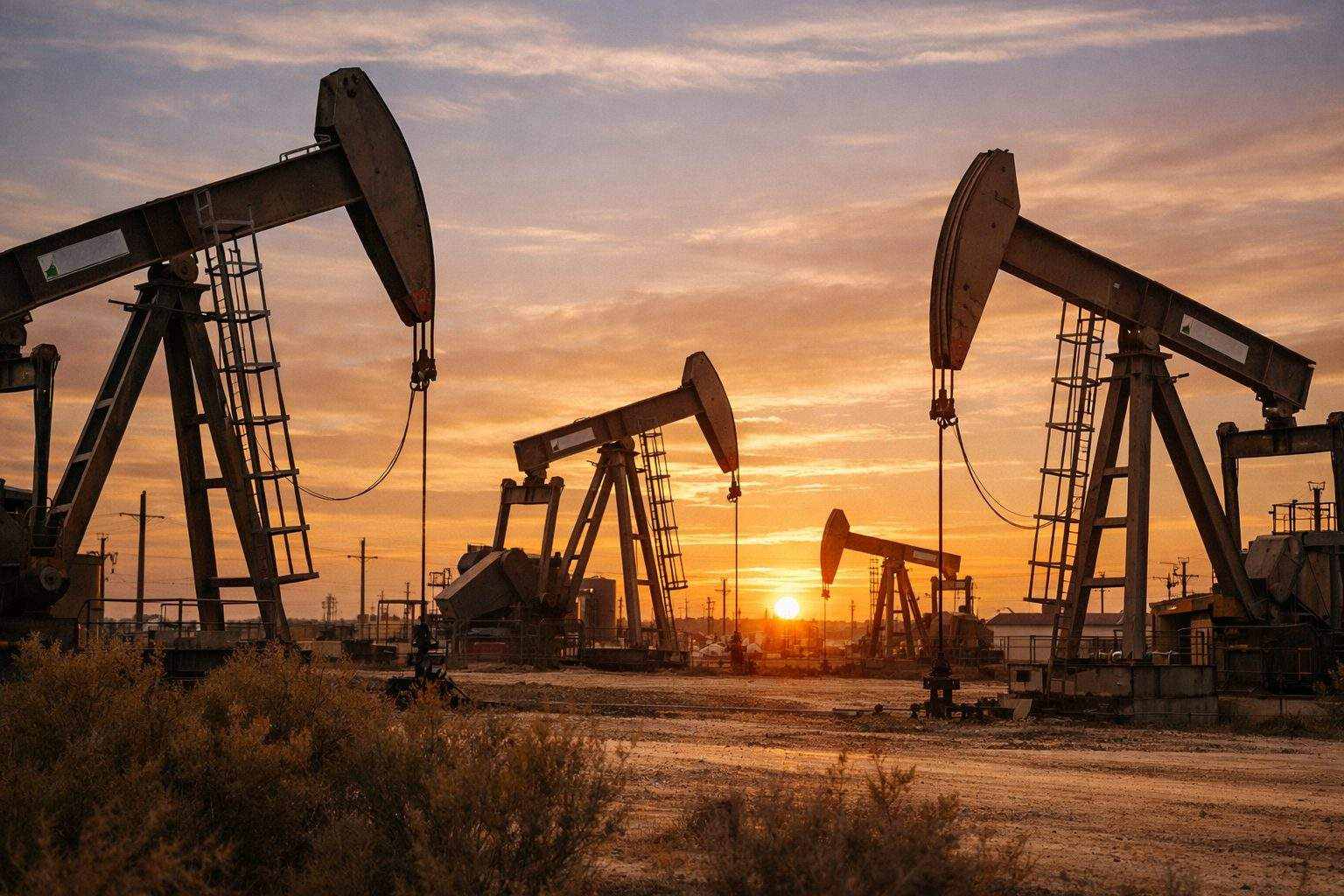
Oil surged roughly 10% Monday, touching highs not seen since 2022. Brent climbed to $102.29 a barrel, with U.S. West Texas Intermediate at $100.11 by 10:53 a.m. EDT, as the expanding U.S.-Israeli conflict with Iran rattled Gulf supplies. Output cuts from Saudi Arabia and other Gulf producers continued, piling pressure while disruptions in Strait of Hormuz shipping lingered. The front month for Brent traded around $24 above six-month contracts — a sharp backwardation that points to immediate supply strains.
Crude’s impact lands fast—straight through to pump prices and what shippers and airlines pay for fuel. This day, China, which ranks second globally in oil use, pushed up its state-set retail gasoline and diesel limits in the steepest jump since March 2022. Capital Economics figures a 5% oil climb tacks on about 0.1 point to inflation across developed markets. The IMF, for its part, puts a lasting 10% oil gain as shaving 0.1% to 0.2% off global output.
Markets “see no obvious offramp in the escalating Middle East conflict,” IG market analyst Tony Sycamore said in a note, calling the reaction violent. ING flagged further deterioration, pointing out that Iraq, Kuwait, and the UAE are now starting to cut oil output. Reuters
The Group of Seven weighed emergency reserves but held off on any decision. According to one official, most agreed there’s no immediate plan to tap strategic oil stockpiles. More analysis comes first; G7 leaders are set to take up the issue again later this week.
That’s the uncertainty traders are reacting to. “With no clear definition of what winning looks like, it is hard to forecast whether this will be a multi-week or multi-month conflict,” said Helima Croft, head of global commodity strategy at RBC Capital Markets. Japan’s Nikkei slid 5.2%, while China’s blue-chip index dropped around 1%. Reuters
Fuel users are feeling the sting. Airline stocks dropped in both Asia and Europe, jet fuel prices in certain markets have already doubled since the fighting started, and Morningstar’s Lorraine Tan warned that soaring costs may put leisure travel out of reach for many.
Things could flip quickly if Gulf shipping lanes open up again or if emergency reserves hit the market. But the sharper risk? Another price spike. JP Morgan flagged that any strike or takeover of Iran’s Kharg Island—responsible for 90% of its crude exports—would slam the brakes on shipments and chop output in half. That kind of move would almost certainly set off harsh retaliation in Hormuz or put more regional energy assets in the crosshairs.
The OPEC+ group’s ability to calm the market has its limits. Earlier this month, members signed off on a 206,000 barrel-per-day bump in output starting in April. Still, Rystad Energy’s Jorge Leon downplayed the move, saying Gulf shipping volumes, not a “relatively small increase in output,” would steer prices. The output hike adds less than 0.2% to global supply. Reuters
Even after pulling back from the session high, traders were on edge over a looming surge in costs. “It’s been the biggest jump since the outbreak of the pandemic, and investors are bracing for an inflation crisis,” said Susannah Streeter, chief investment strategist at Wealth Club, after Brent hit $119.50 before slipping. Reuters
Related articles: Energy Markets