
LONDON, April 30, 2026, 15:03 BST
- Oil’s leading the move, with energy supply risk fueling this inflation scare.
- Gold continues to stand out as a capital-protection play in the long run, but with interest rates elevated, its short-term allure has faded.
- The key risk here: a protracted oil shock could push inflation higher, leaving central banks with little choice but to hold rates tighter for an extended stretch.
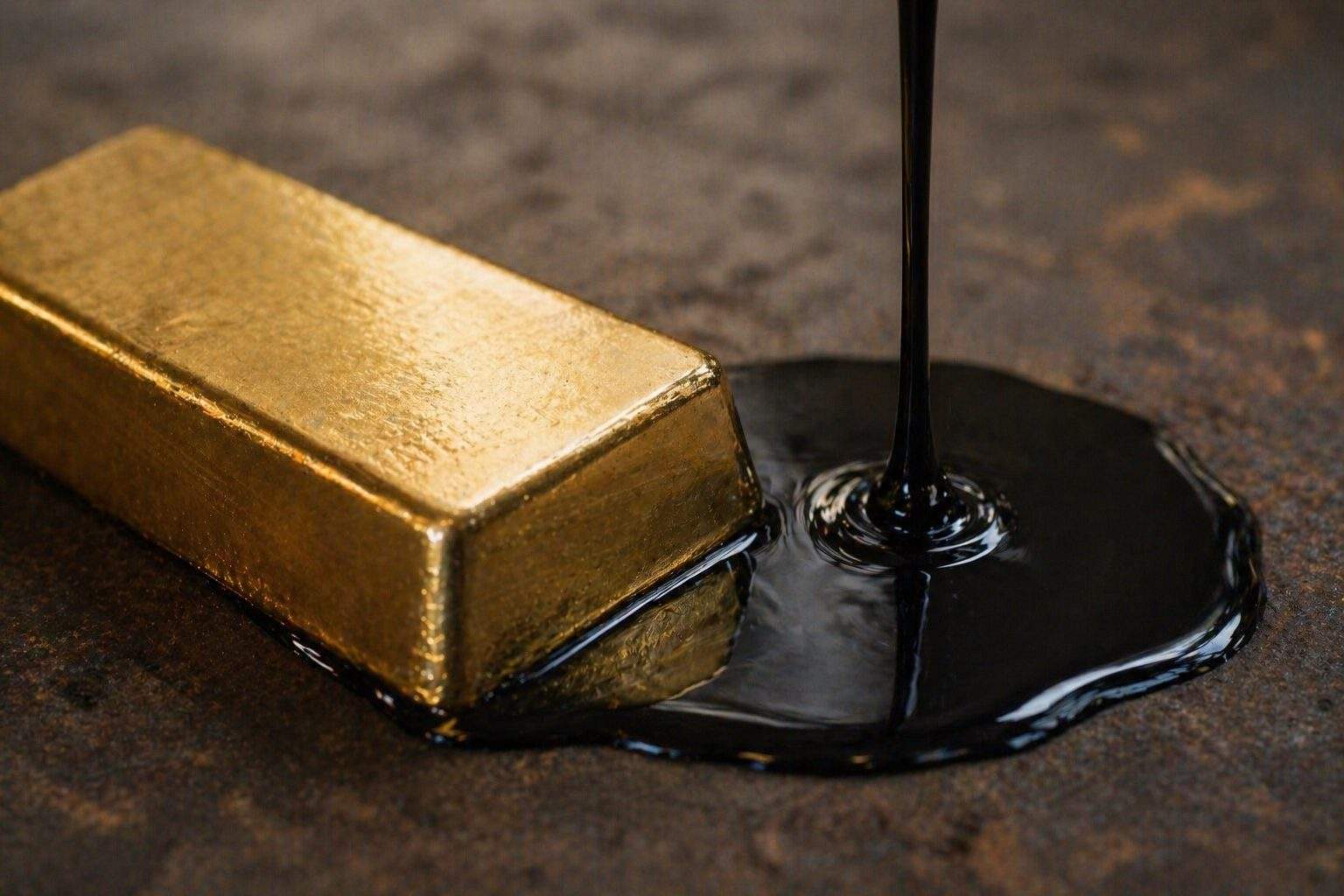
Gold jumped over 2% on Thursday, with oil jolting wildly off a four-year high—once again, investors are left wondering where to park their money when inflation heats up: bullion’s safety or crude’s surge? History doesn’t offer a tidy answer, though gold typically serves as a shield and oil as a quicker play.
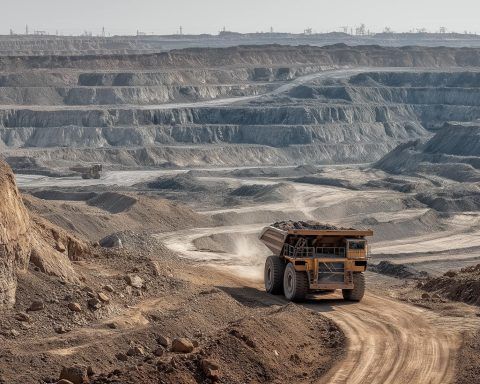
Brent crude spiked to $126.41 a barrel—levels not seen since March 2022—before giving up those gains and trading at $113.89 as of 1327 GMT. West Texas Intermediate, which had earlier climbed to $110.93, slipped back to $104.60. The surge followed the ongoing U.S.-Iran conflict, which has left the Strait of Hormuz all but closed and squeezed a supply lane that typically handles about 20% of global oil and LNG shipments. “For those who do not think Brent prices have the potential to reach $150 a barrel, you ought to look away now,” said John Evans at oil broker PVM. Reuters
This is the point: the new inflation jitters aren’t theoretical. They’re showing up in fuel, freight rates, fertiliser prices, and energy bills—the same channels oil shocks typically squeeze households and businesses first.
Spot gold climbed 2.2% to $4,639.26 an ounce as of 1312 GMT, bouncing back after touching a one-month low on Wednesday. U.S. gold futures added 2%, reaching $4,652.30. “A softer dollar and a reprieve in the acceleration in energy prices” are giving gold a lift today, according to David Meger, director of metals trading at High Ridge Futures. Still, bullion has slipped 0.7% this month. Reuters
Fresh inflation numbers kept the debate unsettled. According to the U.S. Commerce Department, the personal consumption expenditures price index—favored by the Fed—climbed 3.5% versus last March and jumped 0.7% from February. Strip out food and energy, and core PCE rose another 0.3%. Simply put, the oil spike hasn’t fully seeped into core inflation yet, but with headline prices already running high, the argument for near-term rate cuts looks weaker.
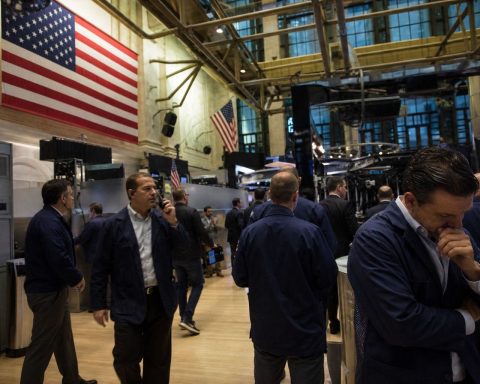
The Fed kept rates steady at 3.50%-3.75% this Wednesday. CME Group data now shows traders assign roughly a 55% probability to a rate hike by April 2027—a sharp jump from about 20% before the announcement. That’s taking a toll on gold. With no yield, bullion looks less appealing as rising rates push investors toward cash and bonds.
When oil itself is driving inflation, oil turns out to be the more straightforward hedge. Sangyup Choi, Davide Furceri, Prakash Loungani, Saurabh Mishra and Marcos Poplawski-Ribeiro’s research shows that every 10% increase in global oil inflation pushes up domestic inflation by roughly 0.4 percentage points right away—though that effect drops off within two years. So, crude can move quickly as a hedge in periods of energy-fueled inflation, but it doesn’t offer lasting capital protection.
Gold’s track record looks different. Just 16% of gold price swings since 1971 line up with U.S. CPI inflation, according to the World Gold Council. The metal surged in the 1970s and again during the 2007-08 financial crunch, but the correlation isn’t consistent. Bottom line: gold doesn’t just follow CPI. It tends to shine when inflation comes with turmoil, fragile confidence, or policy doubts.
Chicago Fed researchers, in a sweeping analysis of gold prices, landed on a similar takeaway. Gold tracked long-term inflation expectations between 1971 and roughly 2000, they said, but after 2000, shifts in real interest rates and concerns over the economy started to matter more. This helps explain why gold sometimes falls behind during rate-driven selloffs, yet buyers return when recession, currency risks, or doubts about central banks flare up.
Oil futures bring a structural complication that gold sidesteps. According to CME Group, WTI has been trading in deep backwardation—so front-month contracts fetch a premium over those further out, reflecting tight supplies. That setup can boost returns for long positions as long as scarcity holds. But the same research flagged a risk: since 1985, the returns from rolling crude futures have often split from spot price moves. When the curve flips into contango—where distant contracts trade above near-term ones—rolling futures can drag on performance, even if the inflation narrative sticks.
The case for commodities remains solid, according to Goldman Sachs Research. Historically, a one percentage point upside surprise in U.S. inflation has translated into a 7 percentage point real return boost for commodities. Stocks and bonds, by comparison, dropped 3 and 4 percentage points, respectively. Commodities are a direct hedge against supply shocks, since those shocks usually start there, wrote Daan Struyven, head of oil research, and analyst Lina Thomas.
When it comes to preserving capital, it really depends on your timeline. Oil tends to shield portfolios most quickly when inflation is driven by energy, but it’s a cyclical asset, exposed to politics, and can take a hit if demand drops. Gold doesn’t react as fast—it’s choppier, and moves with rates—but its track record as a store of value stretches back further, especially when investors worry inflation signals deeper trouble with policy or currency, not just higher fuel costs.
There’s a chance both stumble. Oil might drop if the Strait of Hormuz comes back online fast, likely before any real shift in overall inflation. But if oil prices remain elevated, central banks could hold rates higher for longer, limiting gold’s upside—even as concerns over inflation pick up.
The World Bank is projecting a 24% jump in energy prices by 2026 under its baseline scenario—the steepest since Russia’s full-scale Ukraine invasion—and flagged that the odds still favor a move higher. Chief economist Indermit Gill described the war’s impact as “cumulative waves” hitting the global economy, starting with energy and rolling through food and inflation. For investors, gold remains the steady defensive play, while oil stands out as a riskier but potentially lucrative bet. Reuters
Related articles: Inflation