
London, May 7, 2026, 09:21 BST
Gold pushed higher for the third session running on Thursday, lifted as the dollar softened and U.S. Treasury yields slipped. The metal’s rally has gathered momentum on optimism that Washington and Tehran may be edging closer to a peace agreement.
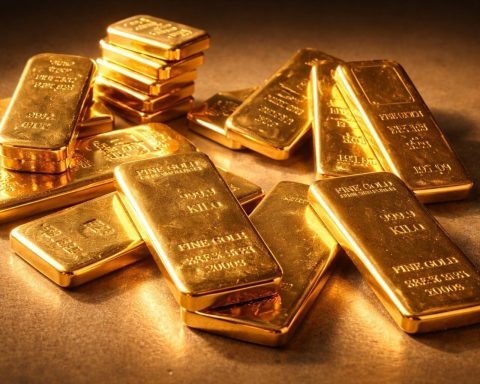
Spot gold climbed 1% to $4,738.86 an ounce by 0728 GMT, tacking on more gains after Wednesday’s 3% surge. U.S. gold futures for June delivery added 1.2%, reaching $4,748.50.
Gold’s direction is back to tracking rates. As oil slips, inflation worries cool off, and bond yields tend to follow them lower. That’s a plus for gold, a non-yielding asset that usually gets outshined when government debt offers investors better returns.
Gold ticked up, helped along by dollar softness, according to Tim Waterer, chief market analyst at KCM Trade. Reuters pointed out the greenback lingered just above a three-month trough, with 10-year Treasury yields slipping 0.6% for the week.
Geopolitical developments stayed complicated. U.S. President Donald Trump talked up a quick resolution to the war with Iran, as Tehran considered a U.S. peace offer. Sources indicated the proposal might bring the conflict to a formal close, but major sticking points remained—specifically, U.S. demands regarding Iran’s nuclear activities and access through the Strait of Hormuz.
That puts Friday’s U.S. jobs data squarely in focus. The Bureau of Labor Statistics will drop the April Employment Situation report at 8:30 a.m. ET on May 8. Non-farm payrolls—tracking most jobs outside agriculture—often shake up Federal Reserve policy expectations in a hurry.
Gold buyers haven’t seen much help from the latest jobs figures. U.S. private payrolls climbed by 109,000 in April, marking the biggest monthly jump since January 2025, according to ADP’s national employment report. Still, as Reuters points out, ADP’s numbers frequently diverge from the official government payrolls tally.
The Fed’s connection is straightforward. Jonathan Cohn, who leads U.S. rates desk strategy at Nomura, pointed out the economy has stayed “quite resilient through the conflict.” Economists surveyed by Reuters anticipate Friday’s Labor Department data to show a gain of 62,000 jobs for April, with unemployment holding at 4.3%. Reuters
Silver tracked gold higher, jumping 2.6% to $79.31 an ounce. Platinum advanced 1% to $2,081.68, and palladium picked up 1.3% to $1,556.79. The gains spilled across the metals complex, broadening the rally beyond just bullion.
Central banks remain a key driver for gold, with economic uncertainty also supporting prices. A Reuters poll of 31 analysts and traders pegged the median gold price for 2026 at $4,916 an ounce—marking the highest annual forecast in Reuters surveys since 2012. StoneX’s Rhona O’Connell pointed to “underlying tailwinds” for gold, though she flagged $5,500 as a stretch. Reuters
This trade isn’t locked in. A hot payrolls print could send yields up along with the dollar, and any bounce in oil might bring those gold jitters right back, especially with inflation nerves on edge since the conflict started. “Whether a deal is finalised” and how quickly flows settle remain big unknowns, Nick Twidale, chief market strategist at ATFX Global, pointed out. Reuters
At the moment, gold’s price action is leaning more on rate dynamics, with geopolitics adding some fuel, rather than just safety flows. If the U.S. jobs data comes in soft, that narrative gains traction. A strong reading, though, could flip the script fast.
Related articles: Gold