NEW YORK, May 9, 2026, 05:11 EDT
- The Digital Asset Market Clarity Act is headed to the U.S. Senate floor on May 14, positioning lawmakers for a pivotal debate over crypto rules.
- According to Glassnode, new XRP addresses are down 85% since December 2024, pointing to a slowdown in retail participation.
- XRP hovered around $1.42 to $1.43, putting its market cap close to $88 billion and securing its spot as one of the biggest digital currencies.
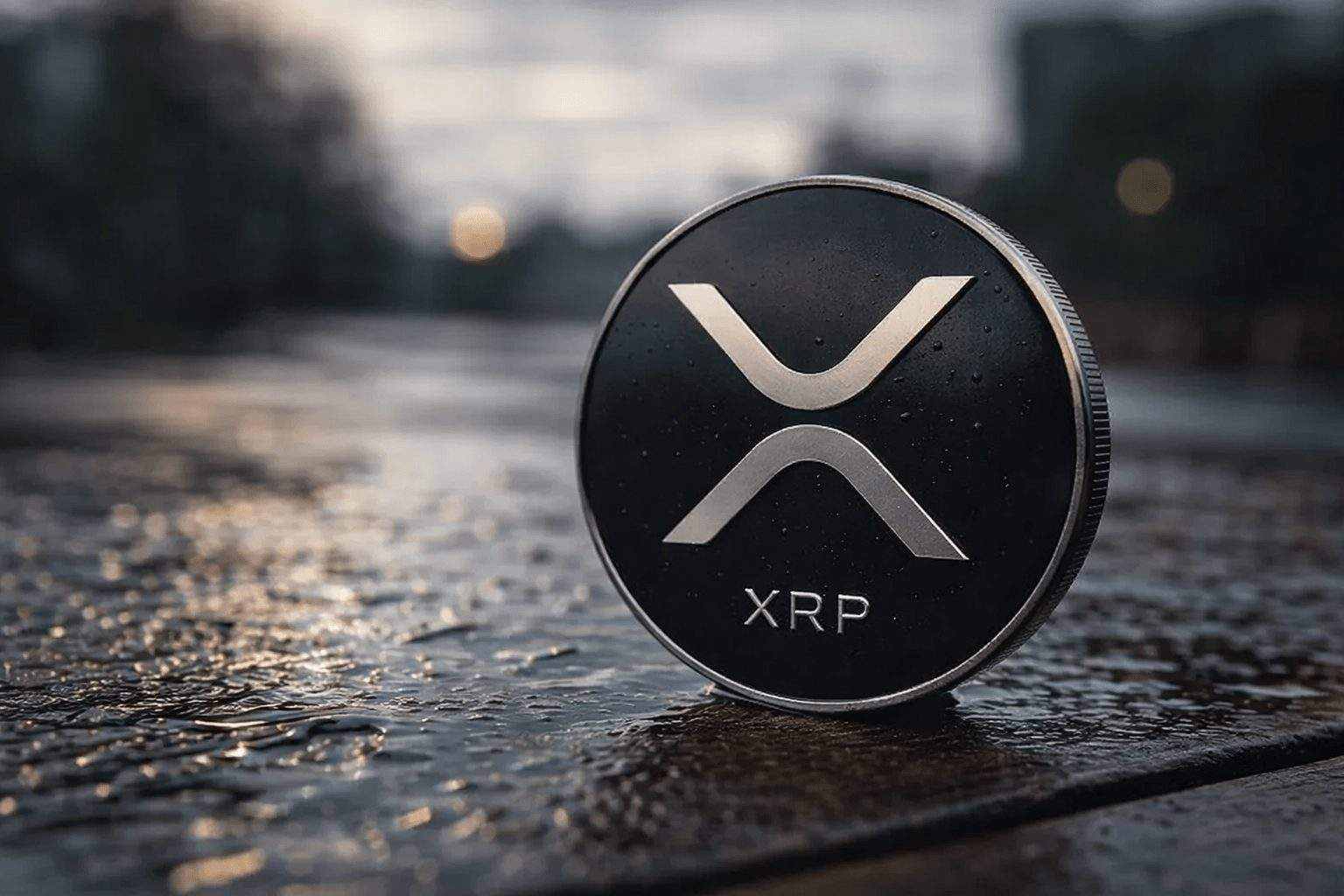
XRP hovered around $1.42 on Saturday, with investors sizing up a renewed regulatory drive out of Washington and noting a steep drop in XRP Ledger activity — the blockchain that underpins Ripple’s payment system. The token posted gains over the last 24 hours. Still, the backdrop isn’t straightforward: mounting hopes for legal clarity are mixing with signs of softer newcomer growth.
The timing is key: the Senate Banking Committee is set for a May 14 executive session to take up H.R.3633, the Digital Asset Market Clarity Act of 2025. The legislation aims to clarify how securities and commodities regulations apply to digital assets—a central question for XRP and other major tokens.
The regulatory cloud over XRP isn’t hypothetical—Ripple and the SEC wrapped up their lengthy legal battle in August 2025. Ripple agreed to pay a $125 million fine, plus it’s now under an injunction on institutional XRP sales. A previous judge’s decision found that XRP trades on public exchanges don’t count as securities transactions, but institutional deals do fall under securities law.
On-chain data reflected the market’s caution. Glassnode figures show daily new addresses on the XRP network have slid to around 2,700, down sharply from 18,000 back in December 2024. Monthly active supply isn’t faring much better, clocking in at about 2 billion XRP per day—off from 7.45 billion. New addresses track first-time wallets, so it’s not exactly the same as buyers, but the drop is hard to ignore and suggests retail demand has thinned out.
RedStone’s co-founder Marcin Kazmierczak put it to Decrypt like this: the network is moving away from “retail speculation” and leaning into “institutional rails.” That’s the bullish spin: we’re seeing a drop in new wallets, but a pickup in financial-sector interest. Pricing it remains tough. Decrypt
Ripple backers got new fuel this week. Ondo Finance finished a pilot with Kinexys by J.P. Morgan, Mastercard, and Ripple, using XRP Ledger to process the asset leg of a cross-border, near-instant redemption of tokenized U.S. Treasuries—done in less than five seconds. Markus Infanger, SVP of RippleX, said the test proved institutions can run cross-border transactions in one integrated shot.
Tokenized Treasuries—tokens on a blockchain letting holders tap into U.S. government debt—were at the center of the Ondo pilot. As part of the process, Ripple used the XRP Ledger to redeem part of its OUSG. Payment instructions got routed through Mastercard’s Multi-Token Network. Then, J.P. Morgan’s Kinexys made the dollar transfer to Ripple’s bank account in Singapore. “Markets that never close,” is how Ondo President Ian De Bode described the implications. PR Newswire
XRP Ledger’s tokenization footprint isn’t just about a single pilot anymore. Data from RWA.xyz points to roughly $3.12 billion in represented asset value on the network, plus a stablecoin market cap hitting around $502 million. Even so, the pool of listed RWA holders hasn’t really expanded much.
But crypto trading is still sluggish. Coinbase CFO Alesia Haas pointed to “macro conditions [that] were genuinely tough,” as both total crypto market value and trading volumes dropped over 20% from the previous quarter. Bitcoin and ether continue to drive the risk mood across the market, while XRP news hasn’t managed to shake that hold. Reuters
Politics pose the biggest hurdle. According to Reuters, the Clarity Act is still running into Democratic pushback over anti-money-laundering provisions and concerns about political profiteering. For passage in the Senate, at least seven Democratic votes would be needed. Banks aren’t thrilled either, especially with the stablecoin rewards section. They’ve warned lawmakers that those rules could trigger a wave of deposits leaving the regulated banking sector.
XRP sits at an awkward crossroads. Regulatory hopes could get a boost if the Senate bill pushes forward, but actual network use isn’t matching the late-2024 highs. The result: the token is still at the mercy of both policy chatter and on-chain stats. The key question now is whether action in Washington can make up for fewer new wallets.