
NEW YORK, May 9, 2026, 05:54 (EDT)
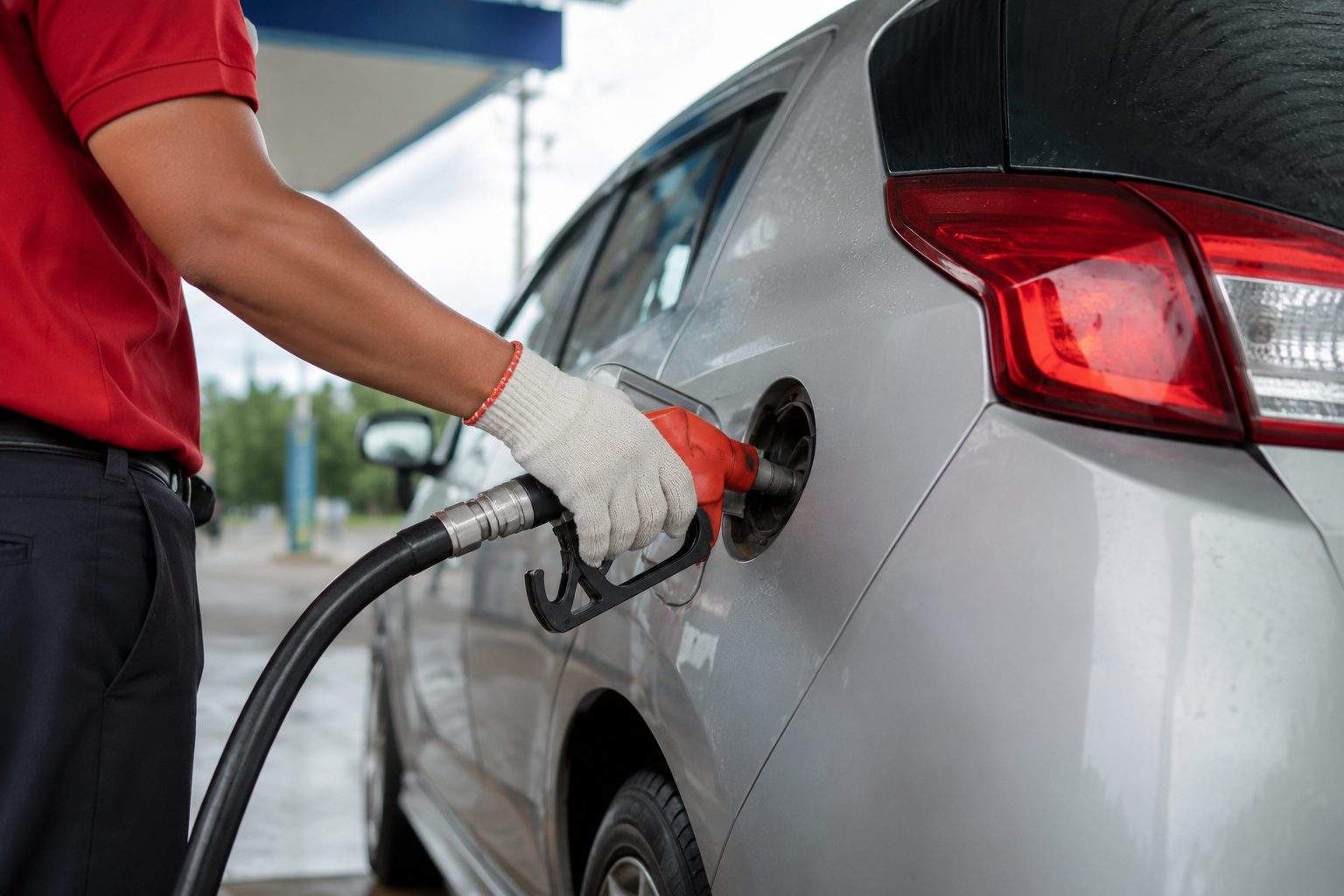
Gasoline prices in the U.S. dipped to $4.530 a gallon on Saturday, not much of a retreat after a tough week for drivers. According to AAA, the national average for regular gas slipped just 1.6 cents from Friday, though it’s still 9.7 cents above last week and sits 36.4 cents higher than a month prior. Diesel came in at $5.650.
Not the news drivers wanted. With the Memorial Day travel rush looming—a stretch that typically sees a jump in summer road trips—fuel costs are already squeezing households. The University of Michigan’s sentiment index dropped to a new low of 48.2 in early May. Director Joanne Hsu pointed to “buffeted by cost pressures” for consumers, with prices at the pump leading the pain. Reuters
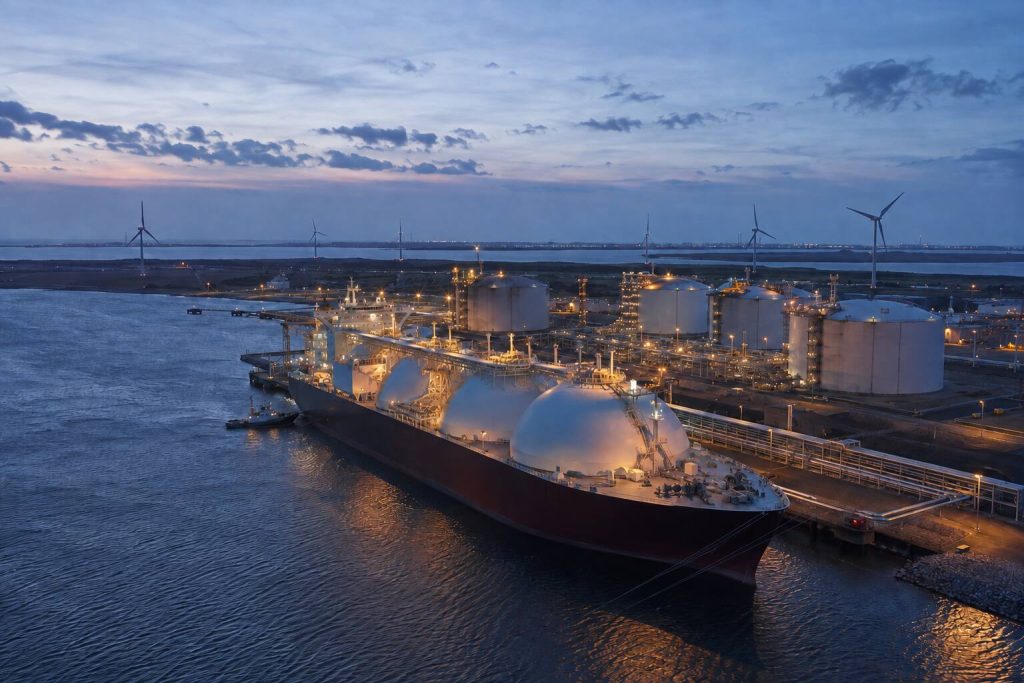
So the upcoming gasoline price outlook hinges less on AAA’s daily numbers, and more on the underlying supply picture. Oil finished up on Friday, but the weekly loss was still over 6%. Traders are now juggling hopes for progress on a U.S.-Iran agreement against escalating clashes near the Strait of Hormuz, a corridor that’s been steering the tone in energy markets since late winter.
AAA reported this week that the national average jumped another 25 cents for the second week running, landing at $4.55—the highest mark since 2022. Prices topped out in California at $6.16, followed by $5.76 in Washington and $5.66 in Hawaii. Drivers in Oklahoma, Mississippi and Louisiana, meanwhile, saw prices hovering around $4.00.
The government’s weekly petroleum snapshot gave a clear picture of why prices remain stubborn. According to the Energy Information Administration, gasoline inventories dropped by 2.5 million barrels for the week ending May 1, leaving stocks 4% under the five-year norm. Output edged down as well, with gasoline production at 9.6 million barrels per day. Over the past four weeks, the agency’s main demand indicator—product supplied—averaged 9.0 million barrels daily, running 1% higher than a year ago.
Oil isn’t sending a clear message to retailers right now. Brent finished up at $101.29 a barrel on Friday, with U.S. West Texas Intermediate closing at $95.42. “We’re treading water here,” said John Kilduff of Again Capital to Reuters. Over at Price Futures Group, Phil Flynn dubbed it a “headline-o-rama game.” Reuters
Drivers looking at the near future are likely stuck with gas prices hovering in the mid-$4s, barring any trickle-down from cheaper wholesale costs. But according to GasBuddy analyst Patrick De Haan, who spoke with Reuters, a continued closure of the Strait of Hormuz could keep summer prices glued above $4.50 per gallon. Last week, BP’s 440,000-barrel-per-day Whiting refinery in Indiana experienced a short power outage, but it’s back up now—still, that blip added fresh supply pressure to Midwest markets.
Citi hasn’t dropped its more bearish oil-price scenario. The bank’s analysts continue to work off a base case that Strait flows improve by the end of May, but they’re sticking to a zero-to-three-month Brent target of $120 a barrel. They argue oil markets are “under-pricing duration and tail risks.” Reuters
Gas prices probably won’t fall back quickly. Patrick De Haan told Axios that if tankers start moving again soon, drivers might see some lower prices in a matter of days—but only about a third of the wartime spike could roll back over the next month or two. Rob Smith, fuels analyst at S&P Global Energy, figures it could be months before Hormuz shipping comes close to normal, even if the conflict truly ends.
For consumers, the threat is plain enough—if tensions in the Gulf escalate again, or a refinery issue pops up, or gasoline inventories take a steeper dip, the national average could easily climb back near this week’s peak. Relief? It’s possible, though the path is tighter: an enduring ceasefire, steadier shipping, and softer crude prices would need to flow down through wholesale and retail channels before drivers notice any real easing at the pump.
The EIA’s weekly petroleum report due May 13 is the next big hurdle. Until that drops, gasoline price forecasts are stuck in limbo—if the market keeps its cool, expect prices to slip a few cents. But if supply jitters linger, staying north of $4.50 is still on the table.
Related articles: Stock Market