TUSTIN, California, May 9, 2026, 11:02 PDT
Virgin Galactic Holdings surged 17.1% Friday, with shares finishing at $2.94 as trading volumes spiked. The space tourism stock’s rally comes just five days ahead of its first-quarter earnings report. Virgin Galactic easily topped the Nasdaq Composite’s 1.7% rise.
The schedule is key here: investors are bracing for Virgin Galactic’s next update on its cash position, debt strategy, and timeline for resuming commercial flights. The company’s set to release its first-quarter numbers after U.S. markets shut on Thursday, May 14, with the conference call following at 2 p.m. Pacific.
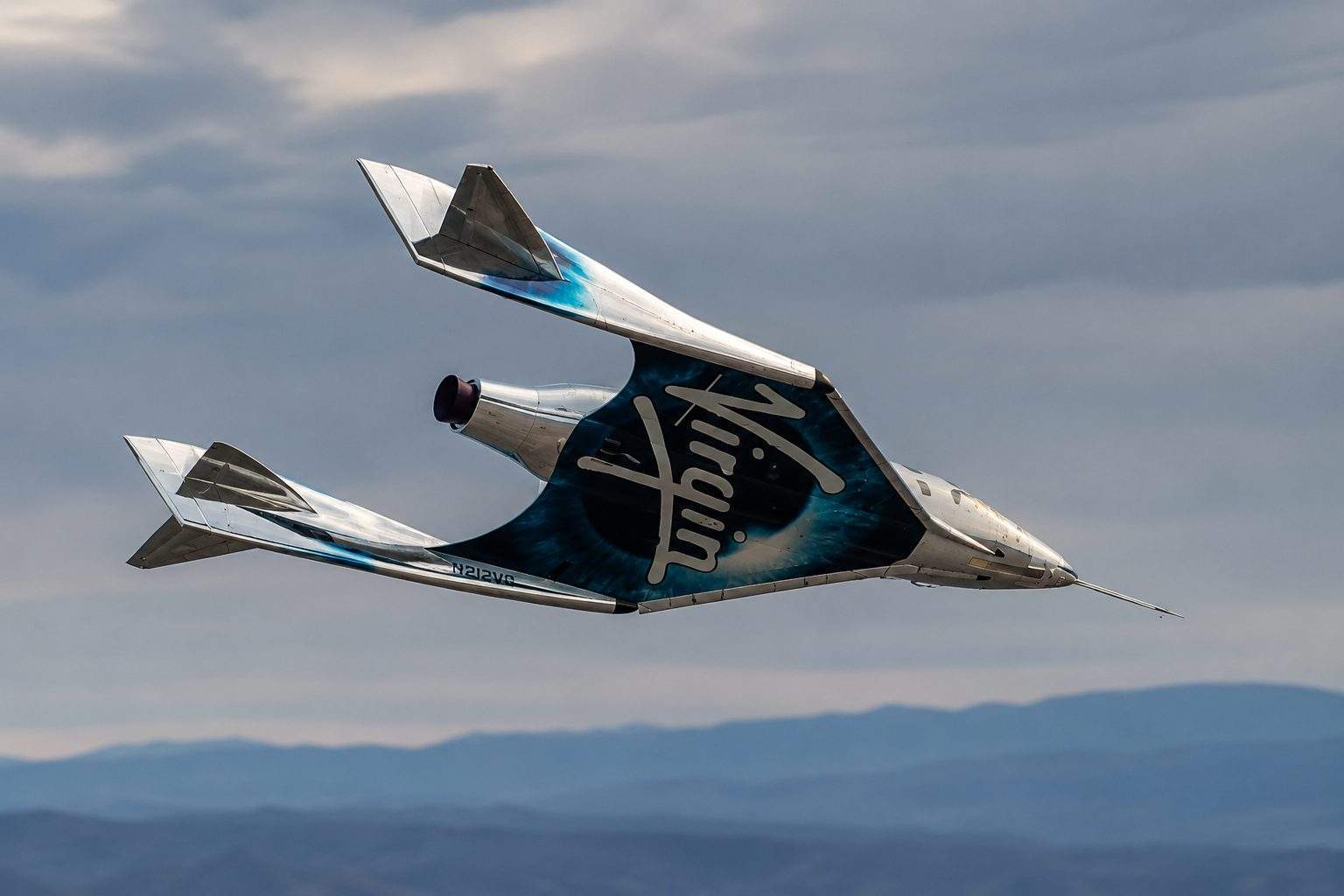
For now, investors seem to care less about Virgin Galactic’s immediate revenue and more about whether the next-generation SpaceShips actually make it from test phases into commercial service. In March, the company reported its first new SpaceShip had entered ground testing, with flight tests on the calendar for the third quarter. That still leaves commercial spaceflight operations on track for the fourth quarter, according to the latest update.
After tumbling 5.6% on Thursday, the shares staged a sharp rebound Friday, with volume spiking to roughly 16.2 million—well north of the 50-day average flagged by MarketWatch. Still, that pop left the stock sitting more than 55% below its 52-week high of $6.64.
Virgin Galactic is seen turning in a first-quarter loss of 79 cents per share, with revenue pegged at $200,000, according to analysts tracked by MarketBeat. Out of six analysts, the consensus comes in at “Reduce”—two say sell, three hold, just one is a buyer. MarketBeat
Virgin Galactic closed out 2025 holding $338 million in cash, cash equivalents, and marketable securities, the latest disclosure shows. That came alongside a full-year net loss of $279 million. Free cash flow wasn’t pretty, either—negative $438 million, after subtracting capital spending and operations costs. The next earnings report could be pivotal.
Back in March, Chief Executive Michael Colglazier pointed to “completed pivotal milestones” and noted the company had launched a batch of spaceflight expeditions, each ticket carrying a $750,000 tag. Colglazier also flagged plans to kick off rocket motor manufacturing in the fourth quarter at Virgin Galactic’s Phoenix facility. Virgin Galactic
Cash management is still on the table. Virgin Galactic, according to an April 30 SEC filing, is moving to redeem up to $10 million of its 9.80% first lien notes due 2028—a secured debt—by issuing common stock instead of paying cash. The company described it as a step in its larger capital management and cash preservation plan.
The debt filing notes Virgin Galactic must redeem roughly $30.4 million of these notes by Sept. 30, 2026. The company is also weighing ways to shore up liquidity and keep its financial options open ahead of commercial operations planned for the fourth quarter. Not a lot of room to maneuver: conserve cash, limit dilution, but testing still needs funding.
The landscape has changed. In January, Reuters said Blue Origin will halt New Shepard’s space tourism missions for at least two years, aiming instead at its NASA lunar lander—leaving Virgin Galactic without that particular competitor for the moment. But Virgin Galactic isn’t off the hook; the bigger challenge is still in front of it: can it fly frequently enough to turn its business model into reality?
Virgin Galactic CEO Michael Colglazier, during the March earnings call, pointed to Blue Origin’s pause as a possible boost for customers hunting for a spaceflight “at a more manageable price point” than orbital offerings. CFO Doug Ahrens laid out expectations: at first, about one flight per week, scaling up to eight flights monthly, with a target of roughly 10 per month by the second quarter of 2027, though that pace hinges on timing and ticket mix. Investing.com
The risk is straightforward: pushbacks in ground tests, rocket-powered flights, or the start of commercial service would stall customer payments and could squeeze the balance sheet again. Virgin Galactic itself has flagged the risks—vehicle development, testing hurdles, funding requirements, and the real possibility of more delays on future flights.
The latest jump in the stock refocuses attention on a company that’s been pitching a large-scale human spaceflight operation for years. Next up: the May 14 earnings call. The more significant question is if Virgin Galactic can bridge the gap from third-quarter tests to actual revenue flights before the end of the year.