
LOS ANGELES, May 26, 2026, 04:01 (PDT)
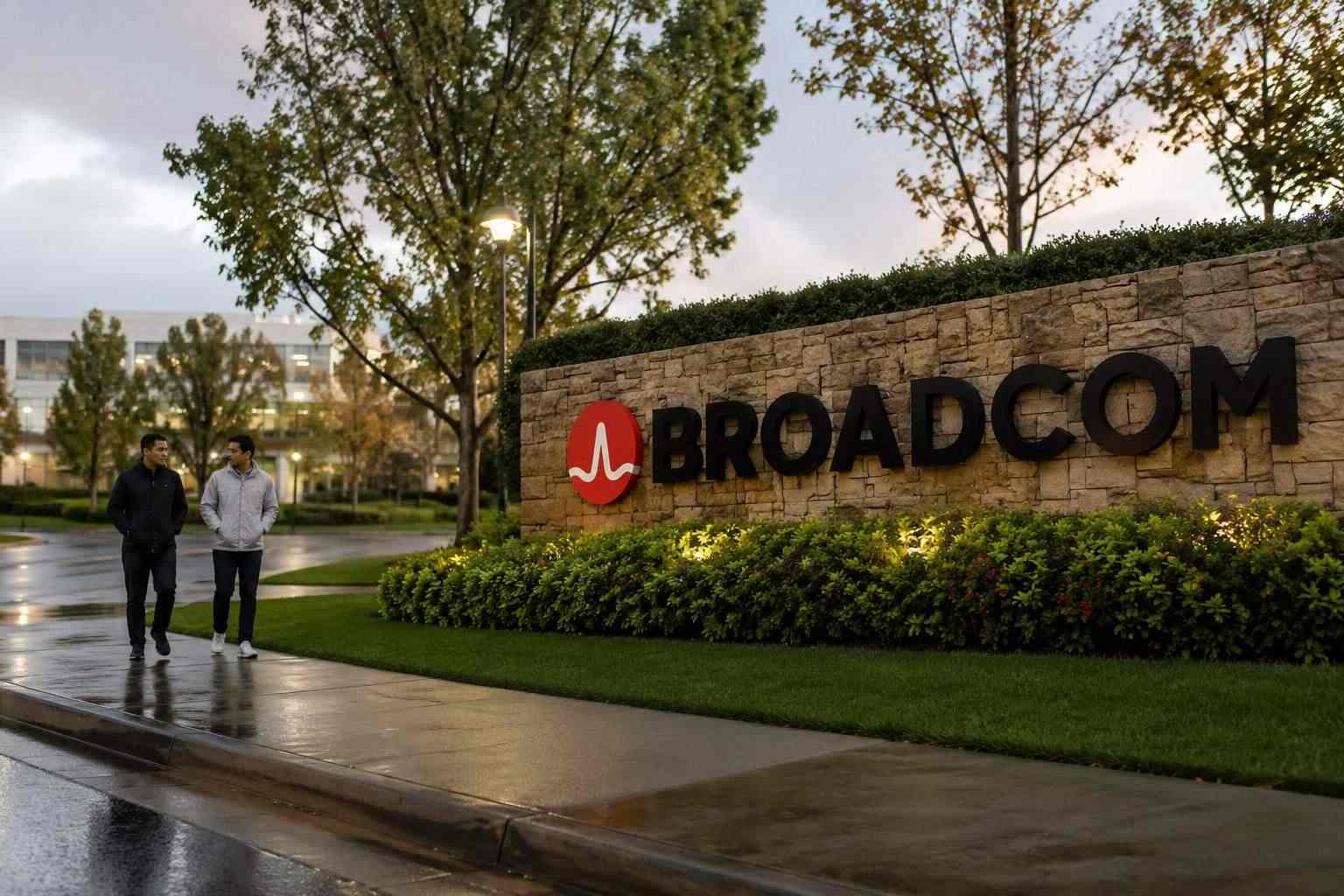
Broadcom, Meta Platforms, Applied Materials, GlobalFoundries and Synopsys are putting $125 million into a new semiconductor center at UCLA, the university’s engineering school said. The group is aiming to give a boost to custom AI chip efforts. The news came from the UCLA Samueli School of Engineering.
Broadcom has turned into a key public trade on ASICs, or application-specific integrated circuits, as tech giants look to cut AI data center costs and power use. The timing is in focus ahead of Broadcom’s second-quarter fiscal 2026 earnings, due after the bell on June 3.
Meta isn’t a routine sponsor. In April, the Facebook parent took its Broadcom partnership further, agreeing to co-develop new generations of MTIA chips. These are Meta’s in-house accelerators for AI training and inference—that is, using a model to give answers or predictions. The deal kicks off with over 1 gigawatt of custom silicon and runs through 2029.
Pre-market quotes ahead of the U.S. open had Broadcom flat at $414.14. Meta gained about 0.5%. Nvidia, which remains the main AI accelerator supplier, slipped 1.9%.
UCLA’s new hub is set up for five years, funded by gifts and in-kind backing, the school said. The hub will connect chip design, software, manufacturing, equipment and advanced materials. Doctoral students at UCLA will get research support under the program, plus yearlong internships at the founding companies.
Charlie Kawwas, president at Broadcom’s Semiconductor Solutions Group, said the hub will create a “comprehensive ecosystem” with foundries, silicon, packaging, design tools and cloud infrastructure. Meta’s engineering VP Yee Jiun Song said UCLA will focus on issues from energy-efficient chip design to advanced packaging. Semiconductor Hub
UCLA Chancellor Julio Frenk said semiconductors are “critical to economic vitality and national security.” Gary Dickerson, CEO of Applied Materials, said the need for closer links between industry and academia is growing as chips get more complex and AI moves faster. UCLA Samueli School of Engineering
Broadcom is adding the hub to a series of custom-silicon agreements. Reuters said in April that Meta and Broadcom have extended their chip deal through 2029. In March, Broadcom forecast over $100 billion in AI chip sales for 2027. Melius Research analysts pointed to customers like Anthropic and Meta for demand visibility.
AMD said back in February it plans to sell as much as $60 billion in AI chips to Meta over the next five years. Meta is trying to lower its risk by not relying on just one supplier, said Matt Britzman, senior equity analyst at Hargreaves Lansdown. “Meta was diversifying away from a single vendor” to avoid chip bottlenecks, Britzman said. Reuters
Broadcom’s custom-silicon business has “massive opportunity” because of ties with Meta, Applied Materials, GlobalFoundries and more, according to a Seeking Alpha note by Ryan Canady published Tuesday. That’s the analyst’s take, not anything Broadcom itself has said in guidance. Seeking Alpha
But returns don’t come fast. Research hubs may help companies bring in skilled staff and try new packaging, thermal, and interconnect concepts, but the payoff for sales or margins is often delayed. Simply Wall St said these long-term bets can lock up capital and management focus well before any order growth is visible.
Broadcom’s test arrives June 3, when the company reports whether AI chip revenue, which it forecast at $10.7 billion for the fiscal second quarter, is matching the bullish sentiment that’s made the shares a stand-in for Big Tech’s custom-chip investment.
Related articles: NASDAQ:META