New York, June 13, 2026, 13:03 (ET)
- S&P 500 closed Friday at 7,431.46, up 0.6% on the week. The Dow was up 0.7% for the week, and the Nasdaq also rose 0.7%.
- Russell 2000 gained 3.9% for the week, outpacing other indexes and showing some risk-on moves outside of big tech. Small caps led.
- The Federal Reserve’s June 16–17 meeting is up next for markets, with a new Summary of Economic Projections on the table.
Stocks bounced to finish the week stronger, with investors weighing lower oil prices, steady demand for tech and other growth names, and a pickup in inflation worries. The S&P 500 added 37.16 points, or 0.5%, Friday, ending at 7,431.46. The Dow climbed 353.51 points, or 0.7%, to 51,202.26. The Nasdaq was up 79.18 points, or 0.3%, at 25,888.84. For the week, the S&P 500 rose 0.6%, Dow up 0.7%, Nasdaq up 0.7%, and the Russell 2000 outperformed with a 3.9% jump.
Weekly gains signaled buyers stepped in on the dips, even with messy inflation numbers clouding the rate story. Brent crude tumbled 3.4% Friday, dragging energy price worries lower and giving relief to margins. SpaceX soared 19.2% in its first Wall Street session, bringing out another headline IPO for traders.
Inflation kept putting pressure on stocks. The Consumer Price Index climbed 4.2% for the year through May. Core CPI, which strips out food and energy, rose 2.9%. Energy prices jumped 23.5% over the same period, with gasoline up 40.5%. Oil headlines moved markets this week as a result.
Investors stayed wary as wholesale inflation ticked up. The Producer Price Index rose 1.1% in May, up 6.5% from a year ago—the sharpest annual increase since November 2022. Goods prices climbed 2.8%, with gasoline alone jumping 23.4% and making up over half of that rise. That points to higher input costs for companies, which could squeeze margins or push firms to raise prices.
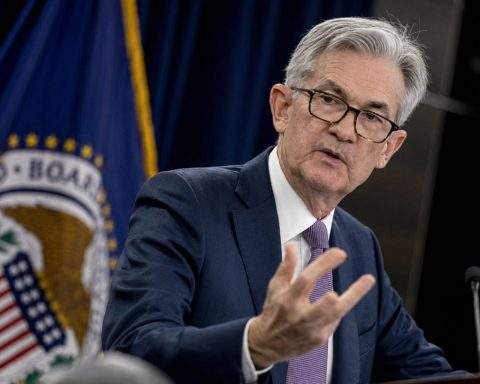
The Federal Reserve’s next policy decision comes at its meeting on June 16–17. The Fed is set to release updated economic and rate forecasts at the meeting, giving investors a look at where policymakers see things headed. That’s important for stocks since higher-for-longer rates tend to hurt the value of future earnings now. Any sign from the Fed that inflation is leveling out could help support stock prices.
Bulls point to continued earnings momentum as a reason stocks still have support. FactSet’s latest Earnings Insight has S&P 500 companies on track for 21.9% year-over-year earnings growth in the second quarter. Analysts have bumped up their profit forecasts since March ended. The report also flagged a spike in artificial intelligence mentions. “AI” came up on 337 S&P 500 earnings calls from March 15 to June 11, well above the five-year average of 164. FactSet
The valuation and macro picture build the bear case. S&P 500’s forward P/E sits at 20.1, FactSet said, above the five-year average of 19.9 and the 10-year average of 19.0. That doesn’t make U.S. stocks look cheap. The market looks about fairly valued and exposed if oil bounces, inflation stays up, or the Fed moves hawkish. U.S. stocks look appealing mostly if earnings growth widens past the main growth names and inflation keeps slowing.
Related articles: Federal Reserve