
Cupertino, California, July 9, 2026, 07:06 (PDT)
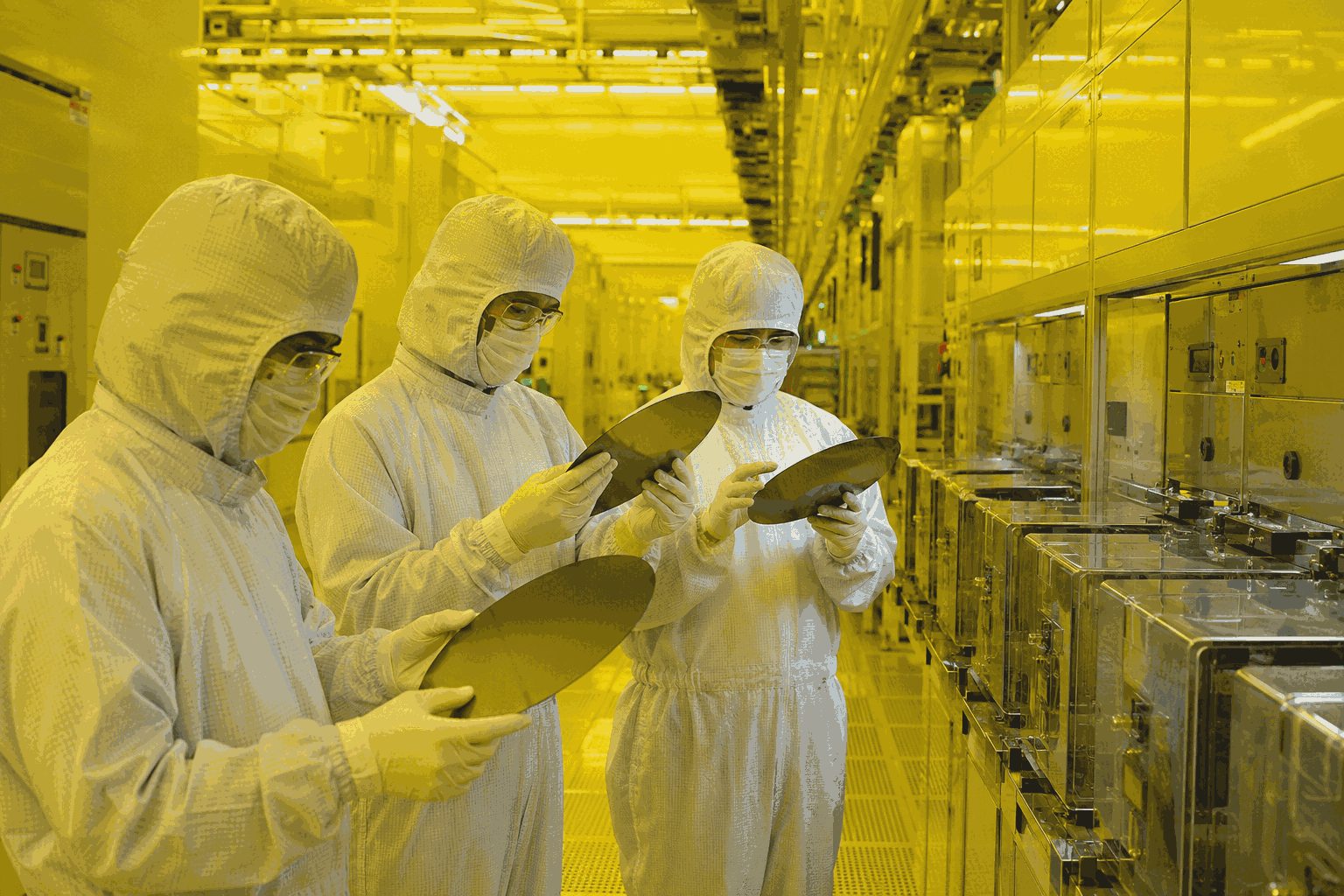
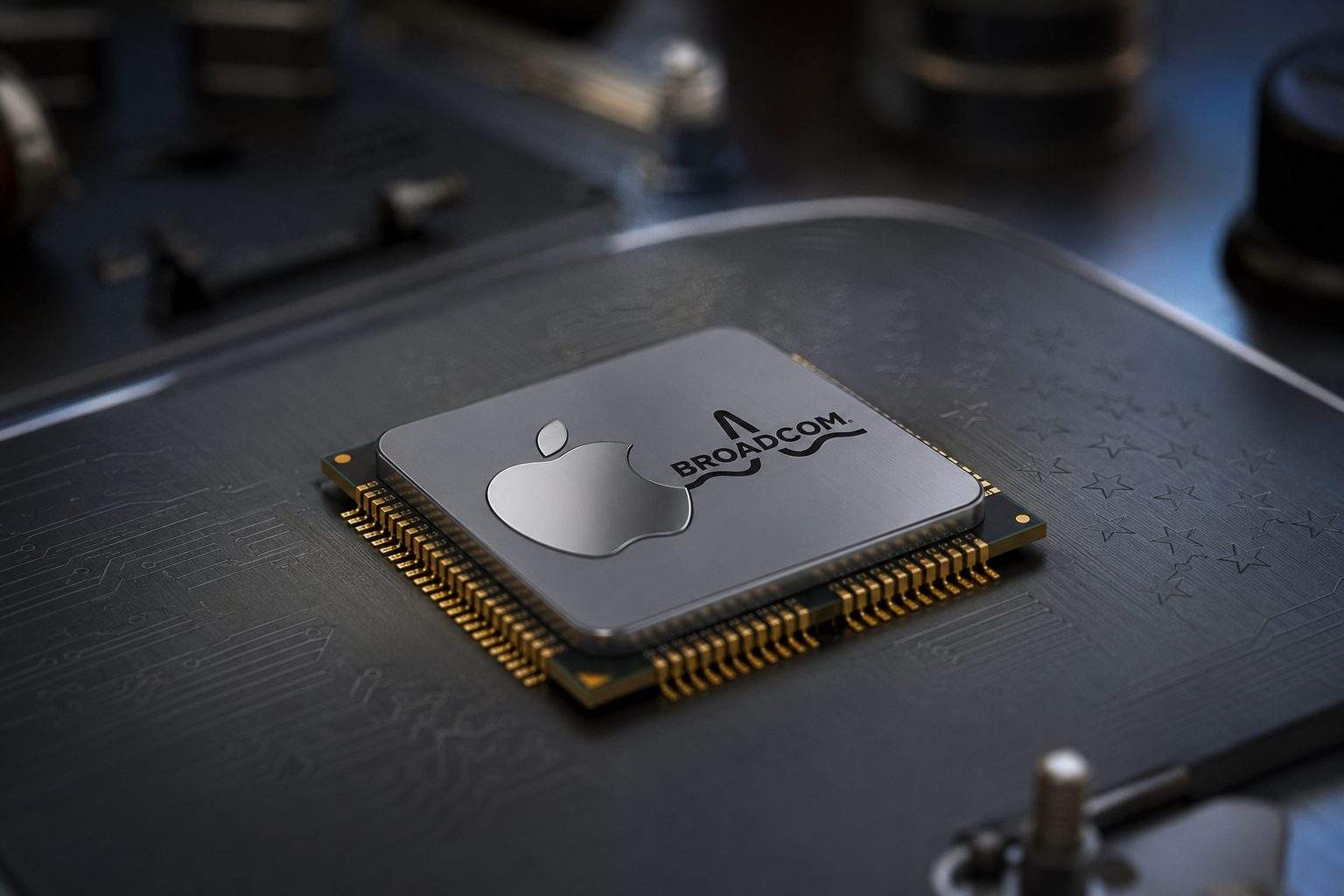
Apple said it plans to spend over $30 billion with Broadcom to design and make chips in the U.S., giving its longtime supplier another boost and offering Washington a big new domestic semiconductor commitment. The company said the deal should result in more than 15 billion U.S.-made chips and support hundreds of jobs.
Apple wants to show it can shift more of its chip supply chain to the US while keeping most iPhone production in Asia. Broadcom is spending $1.5 billion to expand and upgrade its Fort Collins, Colorado, sites. The location will make radio-frequency parts, such as FBAR filters that help devices handle wireless signals, and other wireless tech.
Broadcom rose $6.61 to $395.30 in early U.S. trade. Apple fell $1.85 to $311.54. Chip stocks started higher, pushing up the S&P 500 and Nasdaq as semiconductors helped balance out worries elsewhere in the market.
Broadcom said in a filing this week that its chip agreement with Apple runs through 2031. The company will continue to design and deliver custom ASIC silicon for several future Apple products, according to the document.
Apple CEO Tim Cook said the deal “further accelerates” Apple’s commitment to U.S. manufacturing. Broadcom CEO Hock Tan said both companies have “a strong commitment to American innovation,” and said Broadcom will add to its Fort Collins manufacturing base. Apple
The deal eases a key risk for Broadcom, which has faced concerns that Apple might speed up efforts to build its own chips. Apple makes up about 20% of Broadcom’s yearly sales, according to analysts who spoke to Reuters. “Locking in Broadcom through 2031 buys supply-chain certainty,” Emarketer analyst Jacob Bourne said. Reuters
There’s some competition here too. Apple still gets its A-series iPhone chips and M-series Mac chips from Taiwan’s TSMC, which has been dealing with heavy demand for AI chips from names like Nvidia. Intel has come up as a possible U.S. foundry for some Apple chips, but analysts don’t see that happening at scale until at least late 2027.
Melius Research’s Ben Reitzes called the Broadcom extension part of the push to run more AI on devices instead of just in data centers, a move known as edge AI. “Apple silicon is arguably the best consumer edge inference platform in the world,” Reitzes wrote, referring to inference as the process when an AI model answers a user’s request. Barron’s
Jack Gold, founder and principal analyst at J.Gold Associates, told Supply Chain Dive that Broadcom might offer Apple faster turnaround and higher manufacturing priority as chip design cycles stay short. “The market is moving so fast,” Gold said. He warned that even falling a generation behind risks losing ground. Supply Chain Dive
The deal doesn’t clear away the supply risk. Apple has cautioned that shortages and higher costs for components might hit demand, revenue, margins, and results. Broadcom, in its filing, said forward-looking statements still face risks and uncertainties. The Fort Collins build-out hasn’t happened yet, and AI data center demand keeps taking parts from elsewhere in the chip market.
Apple scores a political and operational win: more chips from the U.S., longer-term supply, and an easier response to calls for domestic production. Broadcom, on the other hand, just keeps a big client.
Related articles: NASDAQ:AVGO





![US Stock Market Today 08/24/2026 [UPDATE: 00:06 EDT] [Alibaba Dilution Joins Memory Selloff in Overnight Trade]](https://ts2.tech/wp-content/uploads/2026/08/US-market-dashboard-2026-08-24-0003-480x384.jpg "US Stock Market Today 08/24/2026 [UPDATE: 00:06 EDT] [Alibaba Dilution Joins Memory Selloff in Overnight Trade]")

![Australia Stock Market Today 24/08/2026 [UPDATE: 13:37 AEST] [BHP Extends ASX Rally as Financials Hold Back Breadth]](https://ts2.tech/wp-content/uploads/2026/08/AU-market-dashboard-2026-08-24-1337-480x384.jpg "Australia Stock Market Today 24/08/2026 [UPDATE: 13:37 AEST] [BHP Extends ASX Rally as Financials Hold Back Breadth]")