Cupertino, California, July 13, 2026, 01:29 (PDT)
Apple Inc. NASDAQ:AAPL may have to bump up the average price of its next Pro Max phone by around $200 to cover higher costs, and even then could see a slightly lower gross margin compared to last year’s model, a Counterpoint Research estimate shows. The research firm is projecting the bill of materials for the 12GB, 1TB iPhone 18 Pro Max will go up by almost $300, before assembly, shipping or marketing.
The iPhone brought in $56.99 billion last quarter, good for 51.3% of Apple’s $111.18 billion in net sales for the period ending March 28. That’s up 22% from a year ago, with more sales of the pricier Pro models pushing the number higher. Product gross margin was 38.7%. Apple credited a better product mix but said some of the gain got offset by higher costs.
Memory stands out as the biggest cost driver. The NAND flash needed for the 1TB model could top $250, which is about half of the last model’s estimated parts bill. The new 2-nanometre chip is the next big jump. Counterpoint forecasts Apple will adjust prices by storage tier, not just push through a straight hike.
The numbers show about a $100 gap at the top end. Apple’s cost for high storage goes up almost $300, but the average retail price jumps just $200. That’s not a perfect profit translation — the $300 applies to the 1TB version, the $200 is an average — so Apple still has to make up the shortfall. That could mean even higher prices for big-storage models, pushing on suppliers, or leaning harder on carrier deals.
A cheaper memory option could also be off the table for September’s iPhone launch. PhoneArena says the A20 Pro chip’s new wafer-level multi-chip module (WMCM) puts the memory next to the processor instead of stacking, and that needs several months of joint testing. Samsung Electronics KRX:005930 and SK hynix KRX:000660 have already done this kind of work with Apple, but China’s CXMT might not have enough time. Apple has also tried to get U.S. approval to buy chips from CXMT to help with rising memory costs.
Apple gets a bit of a break on timing. Forbes columnist Ewan Spence wrote that launching in September gives Apple a chance to watch Samsung and Google, which is under Alphabet Inc. NASDAQ:GOOGL, drop their new phones over the summer before it locks in its own bid. This year, Spence said, it’s less about who wins in cameras and more about where prices land—Apple gets to see how Android shoppers handle higher prices, trade-in deals and smaller discounts before it jumps in.
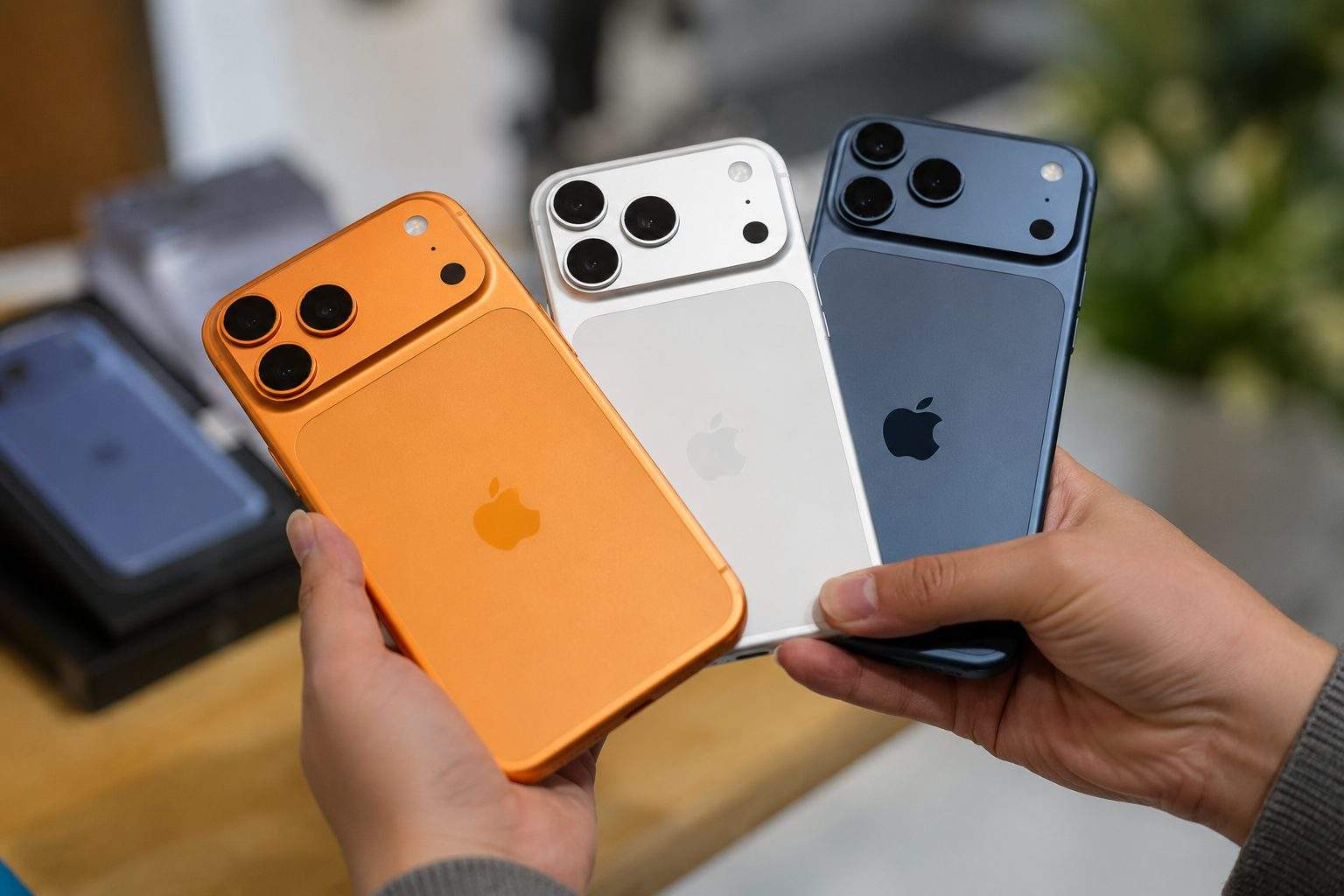
Apple hasn’t confirmed any iPhone 18 numbers, but hardware changes are coming if leaks hold. The Pro Max is showing up in Chinese regulatory files with a U.S. battery 9.4% bigger, and a TechRepublic-sourced leak says the new version is about 3% heavier and thicker. Those gains are measured against current official specs.
| Measure | iPhone 17 Pro Max | Reported iPhone 18 Pro Max | Change |
|---|---|---|---|
| U.S. battery capacity | 5,088 mAh | 5,567 mAh | Up 479 mAh, or 9.4% |
| Weight | 233 grams | About 240 grams | Increase of 3.0% |
| Thickness | 8.75 mm | About 9.0 mm | Gains 2.9% |
| 1TB component cost | Comparison base | Almost $300 more | Counterpoint’s estimate |
China is already seeing demand risk. Smartphone sales during the recent 618 shopping festival dropped 13% from a year ago, with higher memory costs cutting into promotions. Apple’s sales slid 9% even with discounts up to 2,000 yuan ($295). “Apple’s prices were broadly unchanged, but its discounts were also smaller,” said Ivan Lam, senior analyst at Counterpoint. Reuters
Apple pushed up iPad and MacBook prices in June, leaving iPhone prices unchanged for now. “Unfortunately, price increases are unavoidable,” Chief Executive Tim Cook told the Wall Street Journal. IDC’s Nabila Popal said, “The iPhone isn’t spared, its hike is coming.” Reuters
But pricing, packaging, weight and launch timing are still based on leaks and supply chain chatter, not official numbers from the company. The CXMT rumor is shaky — one industry site called it only 50% plausible. If chip yields improve, a late deal comes together or demand runs hotter than expected, margins could see less pressure. The risk is that big price hikes, especially for 1TB and 2TB models, slow replacements and may force Apple to bring back discounts. That would hit the premium mix Apple is counting on, with China showing the most pressure.
Investors now face a September where Apple isn’t just about raising prices. The issue is if higher storage prices can offset more expensive models, without upgrades slowing. Pushing the Pro line can help boost revenue per device. But just shifting the mix may not be enough for margins this time.
Related articles: NASDAQ:AAPL