CAPE CANAVERAL, Florida, July 14, 2026, 06:12 EDT
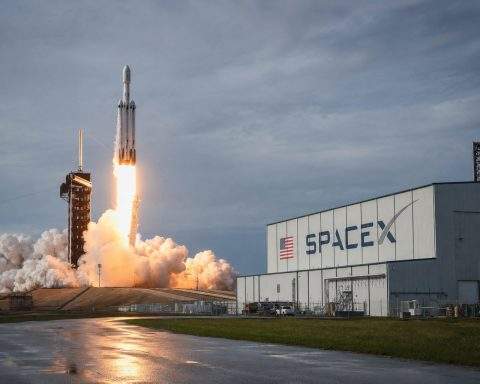
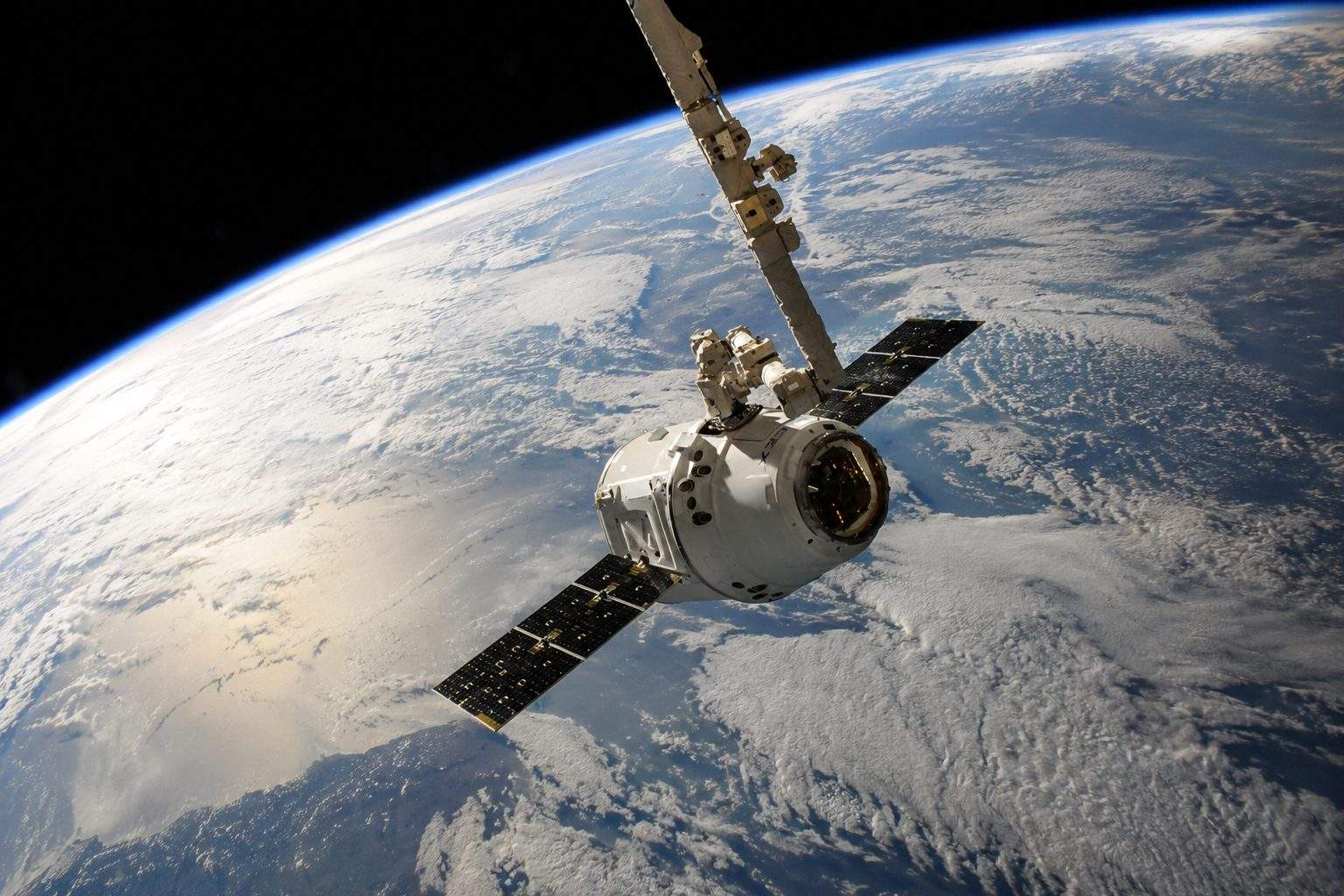
SpaceX NASDAQ:SPCX flew the Falcon 9 booster used on its June 12 market debut again before dawn on Tuesday, a 32-day turnaround that put a hard operating metric behind the company’s 600th launch of a previously used booster. The rocket carried 29 Starlink satellites and landed at sea on its 28th mission. The hardware is cycling faster than the valuation story.
That matters with the shares closing Monday at $139.14, down 4.2% and only 3.1% above their $135 offer price. They are 38.3% below the post-listing high of $225.64. Falcon operations keep setting reuse milestones while the stock has surrendered most of its early surge. The market wants proof that cadence converts into cash.
On June 12, booster B1080 carried 29 Starlink satellites less than an hour before trading began, then landed on the same drone ship used on Tuesday. The latest flight carried another 29. “What company would do such a thing on the day they open in the public market?” Chief Operating Officer Gwynne Shotwell said on IPO morning. The repeat mission gives that line measurable follow-through. Spaceflight Now
| Investor metric | June 12 | July 14 | Read-through |
|---|---|---|---|
| B1080 flight count | 27 | 28 | One additional use in 32 days. |
| Starlink satellites carried | 29 | 29 | One first stage carried 58 satellites across the two missions. |
| SPCX market reference | $135 IPO price | $139.14 Monday close | Shares remain near the offer price after reaching $225.64. |
Twenty-one of B1080’s 28 missions, or 75%, have served Starlink. That is the cleaner investor angle: SpaceX controls both the launch system and the satellite network, allowing the same recovered asset to support repeated network expansion. Reuse is an internal capital-efficiency lever.
The connectivity segment, driven mainly by Starlink, produced $11.387 billion of revenue and $7.168 billion of adjusted EBITDA in 2025 — a non-GAAP profit gauge that strips out financing, taxes and major non-cash charges. That represented about 61% of group revenue and a 63% segment margin. The economics are already material.
Tuesday’s mission also raised SpaceX’s cumulative booster landings to 638, leaving a gap of just 38 between landings and flights using recovered stages. The comparison is not an inventory ledger because some boosters are retired or await another mission. Still, the counts are now close enough to show that recovery is feeding repeat use at industrial scale. Scale is the signal.
That cadence is spilling into telecom valuation work. Bernstein analyst Laurent Yoon on Monday cut price targets for AT&T NYSE:T, T-Mobile US NASDAQ:TMUS and Verizon Communications NYSE:VZ, arguing that Starlink presents a bigger near-term threat in broadband than in wireless. Faster internal launches add capacity to the market those carriers defend. The telecom market has noticed.
But Falcon reuse has a ceiling. The rocket recovers its first stage while the upper stage is expended, and SpaceX’s longer-term growth depends on scaling fully reusable Starship. The Federal Aviation Administration on Monday closed its review of a May 22 booster failure, but five of 33 engines failed to restart and the vehicle crashed into the Gulf of Mexico; Flight 13 is targeted for Thursday. Risk has shifted, not vanished.
Broader spending is another brake. SpaceX lost about $4.9 billion in 2025 even as connectivity earned $4.423 billion from operations, while first-quarter 2026 capital spending totaled about $10.1 billion, including $7.723 billion in the AI segment. A fast Falcon turnaround can improve one cost stack. It cannot settle the group’s wider cash-use debate.
Investors still lack mission-level data on refurbishment costs, days out of service and the share of Starlink investment absorbed by launch. B1080’s 32-day return offers clean operating evidence; Monday’s close near the offer price shows the market still wants the translation into cash generation. Timing matters here.
Related articles: NASDAQ:SPCX