
New York, July 10, 2026, 13:08 EDT
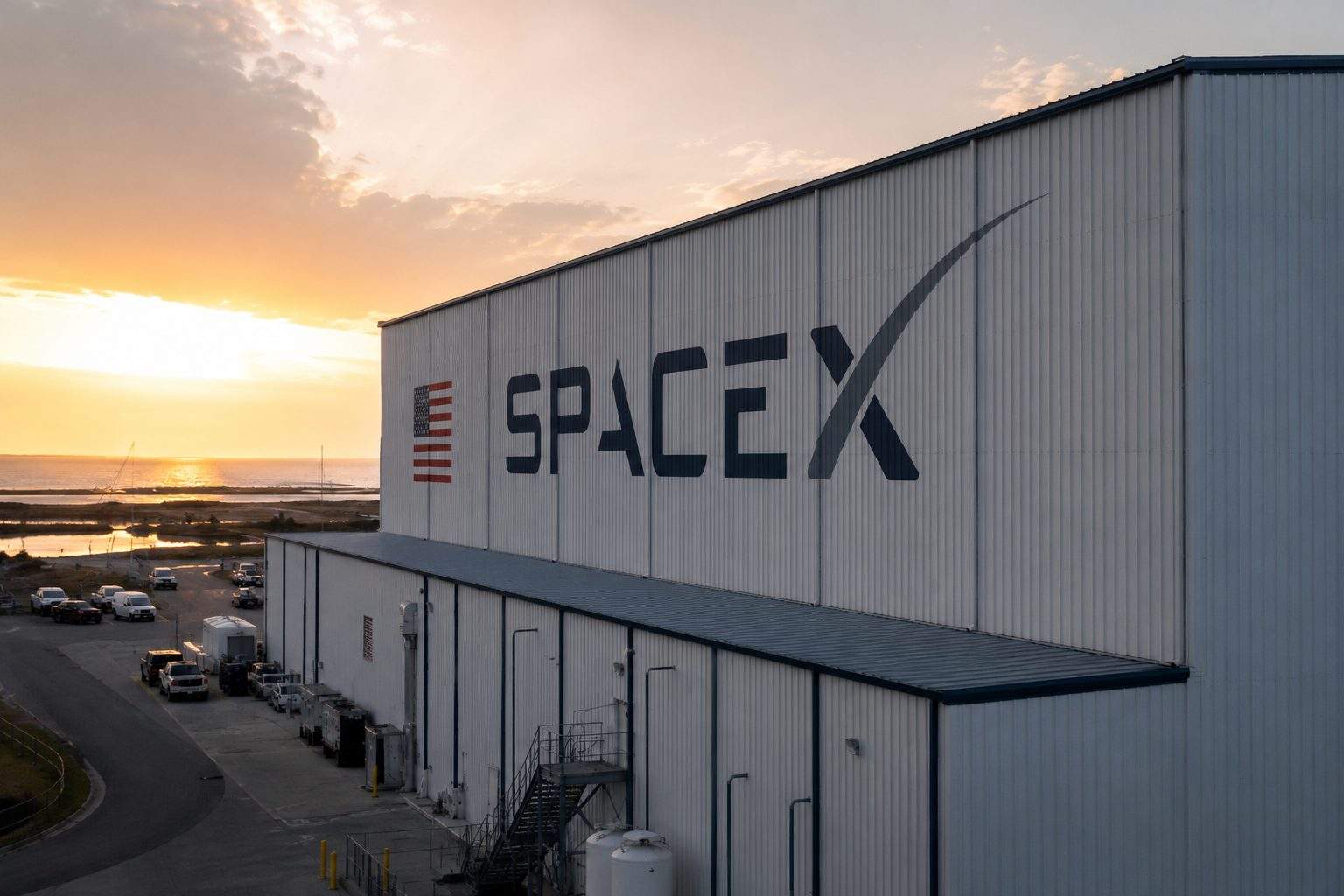
Space Exploration Technologies Corp. NASDAQ:SPCX dropped 2.2% to $148.74 in Friday afternoon trading, bringing the stock 7.3% under its July 6 close. That was the last session before it joined the Nasdaq-100. Based on the new share count after the offering, the loss wipes out about $154 billion in equity over four sessions.
The loss is about 36 times more than the $4.3 billion in passive demand JPMorgan Chase & Co. NYSE:JPM estimated. Passive demand comes from funds that automatically buy stocks to match an index. That doesn’t mean those funds drove the drop; it shows how even big rules-based buying can’t hold up a near $2 trillion stock. “There was nervousness about expectations being too high,” said Mark Hackett, chief market strategist at Nationwide, adding he thinks that tension stays until earnings are out. Reuters
SpaceX is still trading above its $135 issue price, but shares are under the opening print and below where they finished the first day. They’re also down nearly a third from the quick post-IPO top.
| SpaceX price checkpoint | Reading |
|---|---|
| Friday afternoon price | $148.74 |
| Friday move | -2.2% |
| Change from $135 IPO price | +10.2% |
| Change from $160.95 first-day close | -7.6% |
| Change from $160.42 July 6 close | -7.3% |
| Drop from $225.64 record high | -34.1% |
| Implied equity value | About $1.96 trillion |
| Value lost from July 6 | About $154 billion |
The numbers are based on past closing prices and 13.159 billion shares, which includes the IPO underwriters taking their full option.
AI deals gave Friday’s main support. Reuters checked filings and found that pacts with Anthropic, Alphabet Inc. NASDAQ:GOOGL’s Google, and Reflection AI could bring in over $28 billion a year just from compute, or data center power rentals. At today’s share price, SpaceX’s equity is valued at around 70 times that annual figure, not counting operating costs.
The deals have clauses allowing for termination, so the revenue isn’t locked in. Consultancy Altman Solon partner Anthony Milovantsev said the main payoff from orbital AI is unlikely this decade. “Any kind of displacement of terrestrial data centers is 10 years plus out,” he said. Reuters
Falcon 9 keeps pushing its flight record, with a booster flying for the 36th time Thursday on SpaceX’s 80th Falcon 9 mission of 2026. Not long after, China pulled off its first offshore recovery of an orbital-class Long March 10B booster with a net, raising the stakes as state programs get closer to closing the reusable-rocket gap.
Rocket Lab USA Inc. NASDAQ:RKLB and Firefly Aerospace Inc. NASDAQ:FLY dropped on Friday, joining a decline across public space stocks. The move wasn’t just tied to SpaceX.
| Company | Friday move | Market value | SpaceX value relative to peer |
|---|---|---|---|
| SpaceX | fell 2.2% | Market cap near $1.96 trillion | — |
| Rocket Lab | down 0.8% | Valued at $49.6 billion | SpaceX trades at 39.5x |
| Firefly Aerospace | lost 2.6% | $3.9 billion market cap | SpaceX is 497.9x bigger |
Market values and prices are as of intraday.
The scale gap makes a typical percentage move mean a lot more. Friday’s drop shaved off around $45 billion from SpaceX’s value. That’s about equal to all of Rocket Lab’s market cap, and over 11 times what Firefly is worth.
The math could shift fast. Solid revenue from AI deals, quicker gains at Starlink, or getting Starship to fly and land for reuse could make the current valuation work. But if contracts get pulled, spending stays high, or insiders start selling when the 180-day lock-up ends, earnings and the float might both take a hit.
CFRA’s Keith Snyder, who has a $115 price target, about 23% below current levels, said he is waiting for the company’s projected growth to actually show up. “Hope isn’t a business strategy,” Snyder said. The market said the same thing this week: index buying may be automatic, but there is no guarantee of valuation support. businessinsider.com
Related articles: NYSE:JPM





![US Stock Market Today 08/25/2026 [UPDATE: 02:14 EDT] [Sandisk Jumps as QQQ Clears $710 Overnight]](https://ts2.tech/wp-content/uploads/2026/08/US-market-dashboard-2026-08-25-0208-480x384.jpg "US Stock Market Today 08/25/2026 [UPDATE: 02:14 EDT] [Sandisk Jumps as QQQ Clears $710 Overnight]")