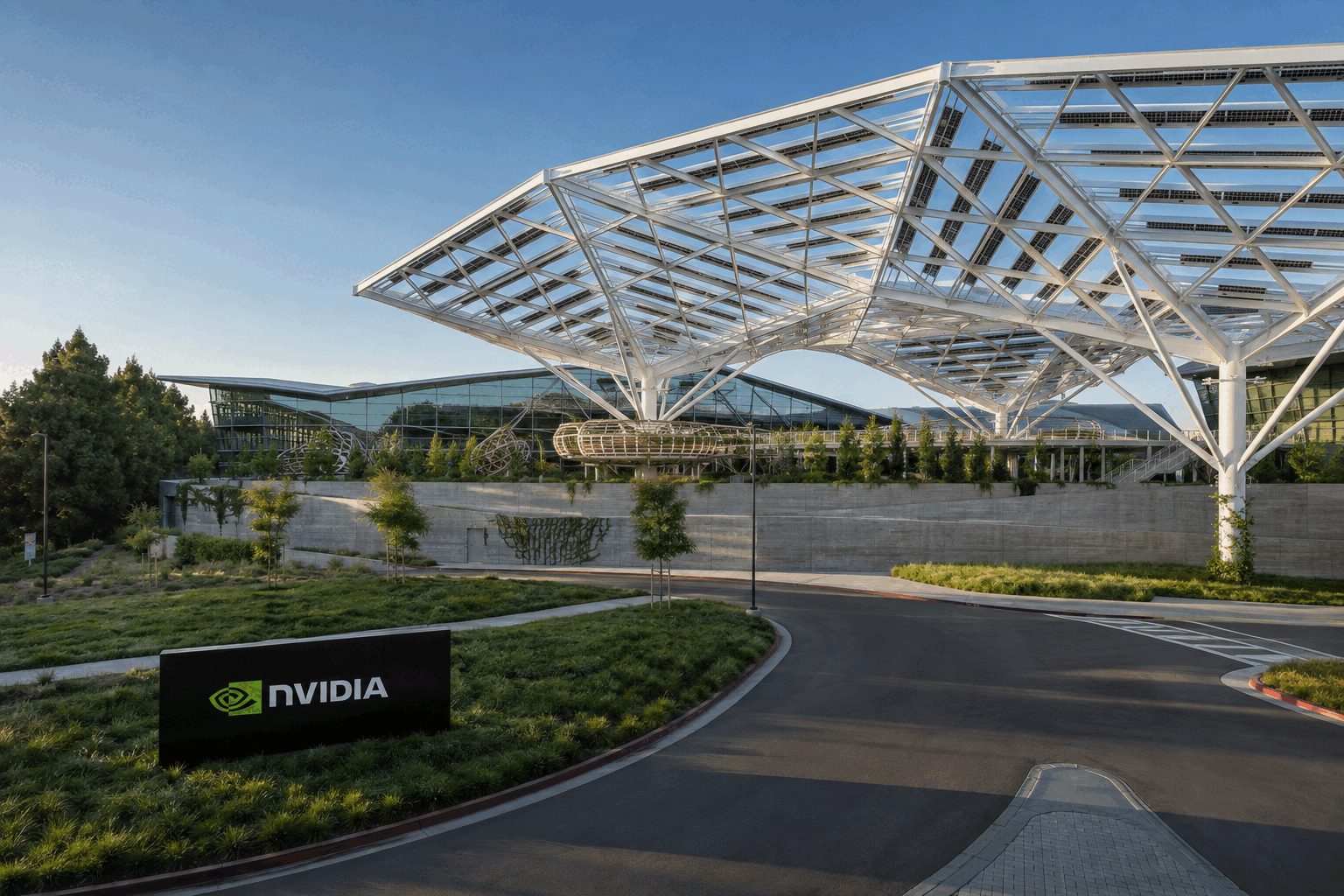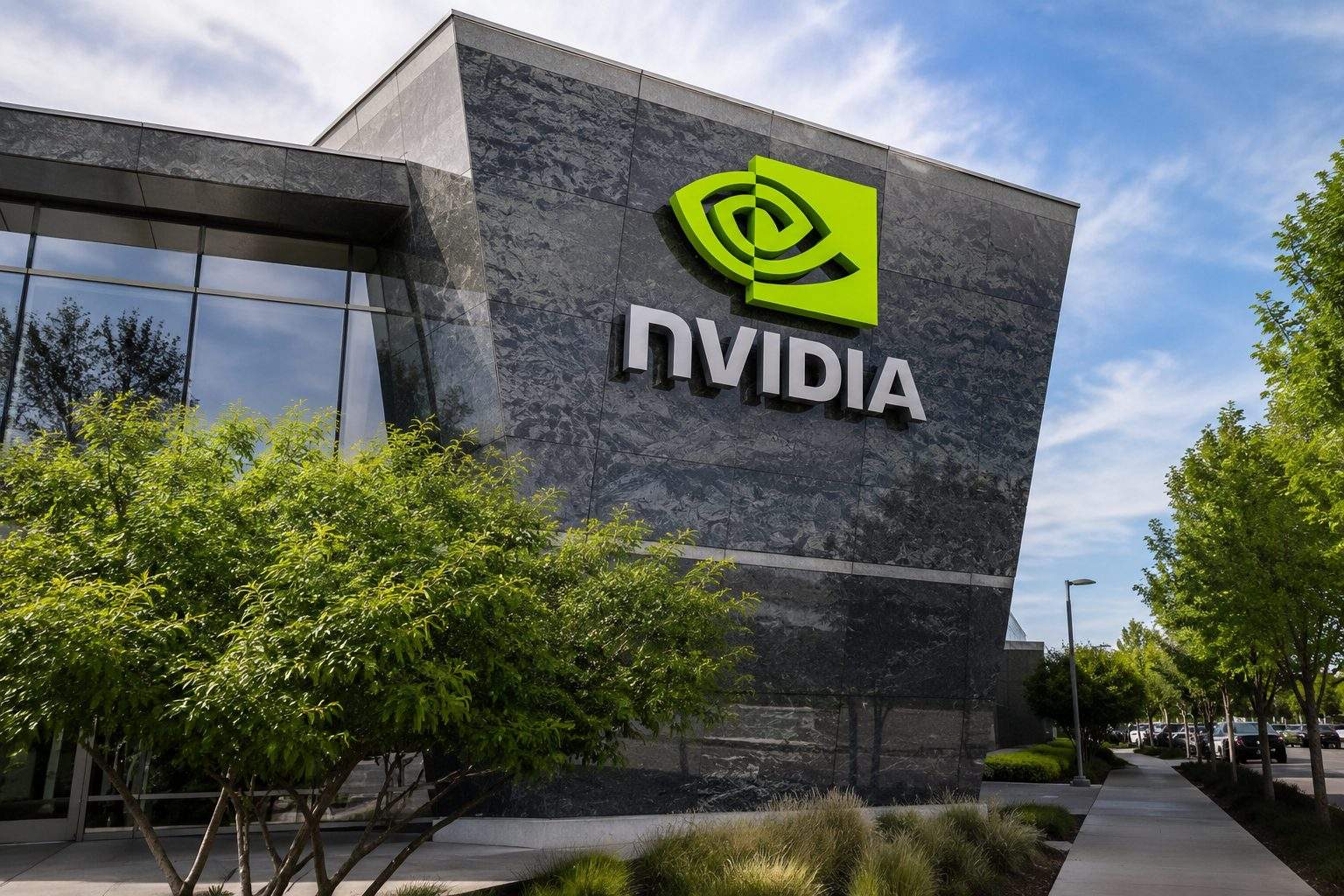

NEW YORK, July 14, 2026, 07:05 (EDT). Nvidia stock is now 65 points behind the chip index as checks on Asia sales grow more strict.
NVIDIA Corporation NASDAQ:NVDA is up 9.1% so far in 2026 through Monday, while the PHLX Semiconductor Index (INDEXNASDAQ:SOX) jumped 74.3%. That’s a 65.2-point difference, showing investors want AI, but the market isn’t sure how much of the growth Nvidia can actually grab and keep. Yet the figures say something else.
U.S. regular trading hadn’t opened yet. Nvidia changed hands at $204.58, up 0.52% in premarket as of 6:20 a.m. EDT. The stock closed at $203.53 on Monday, down 3.52%. Nasdaq-100 futures were up 0.48% at 5:13 a.m. The early move looks small compared to the recent reset.
Nvidia cut its list of approved Asian buyers for AI chips by more than half after tightening checks in Singapore, Malaysia and Japan, according to the Financial Times. Reuters said it couldn’t verify the report and Nvidia hadn’t replied to questions. Buyers who were dropped can reapply with changes. The path to sales is now figured into the company’s valuation.
| Company or index | Monday close | Daily move |
|---|---|---|
| Nvidia | $203.53 | fell 3.52% The Wall Street Journal |
| Advanced Micro Devices NASDAQ:AMD | $534.39 | dropped 4.21% The Wall Street Journal |
| Broadcom NASDAQ:AVGO | $384.05 | lost 3.98% The Wall Street Journal |
| PHLX Semiconductor Index | 12,347.78 | dropped 4.78% Nasdaq Global Index Watch |
Nvidia’s drop Monday hit the whole sector, but its bigger slide is pretty much unique. With the Q1 diluted share count as a guide, the $7.43 price drop wiped around $181 billion off the company’s market cap—well over double the $80 billion buyback authorization tacked on in May. This is about swings in the stock, not chip demand. Timing is key.
Nvidia’s numbers are still strong. First-quarter revenue jumped 85% to $81.6 billion, with Data Center up 92% to $75.2 billion. The $91 billion sales outlook for the second quarter signals about 11.5% growth from last quarter. The guidance doesn’t include any Data Center compute sales in China. CEO Jensen Huang said the AI buildout is “accelerating at extraordinary speed.” Demand isn’t the problem here. SEC
| Demand-side evidence | Market or access counterweight |
|---|---|
| Taiwan Semiconductor Manufacturing Co TPE:2330 posted a 36% jump in Q2 revenue; analysts are looking for a 59% profit gain. Reuters | Nvidia’s approved Asian buyer list was reportedly cut by over half. Reuters |
| Global spend on cloud and AI infrastructure is on pace to reach $1.5 trillion by 2027, a 40%–50% increase over the prior year. Reuters | Nvidia is trading at roughly 19 times forward earnings, the lowest it’s seen in more than 10 years. Reuters |
TSMC hit record sales, showing demand is still strong. “AI demand remains healthy,” TriOrient research analyst Dan Nystedt said after the company posted its revenue. But even with strong suppliers, Nvidia still may not reach every customer. That’s an important point. Reuters
Nvidia is trading at about 19 times forward earnings, its lowest multiple in more than 10 years. LSEG analyst targets suggest more than 40% upside from here. Steve Sosnick at Interactive Brokers said, “We’ve never seen this kind of extreme earnings growth.” Chris Maxey at Wealthspire said “earnings growing faster than the price.” And Marija Veitmane at State Street said “the cycle will just get a lot longer.” The market is waiting for proof. Reuters
Nvidia’s own outlook already bakes in no China Data Center compute sales, so the new restrictions in Asia don’t directly cut the $91 billion forecast. Instead, this kind of policy might make sales cycles drag out, cluster orders with approved buyers, or force demand through fewer channels. That’s analysis, not company guidance. The key difference is between orders that get asked for and orders Nvidia can actually deliver.
The discount might not last. If the removed buyers clear reviews and TSMC ups its full-year forecast, Nvidia’s multiple could jump. But if U.S. controls tighten, cloud spending drops, custom chips grab more jobs, or inflation tied to oil keeps rates up, 19 times earnings may be a red flag, not a deal. This is where things turn.
Markets will likely react first to U.S. consumer-price data at 8:30 a.m. EDT, then shift focus to TSMC’s results expected Thursday. For Nvidia, another big spending outlook probably won’t end the valuation argument. Investors want to see rising AI budgets actually show up as revenue after passing compliance checks. Timing is a key factor.
Related articles: NASDAQ:NVDA