
NEW YORK, July 10, 2026, 08:32 (EDT)
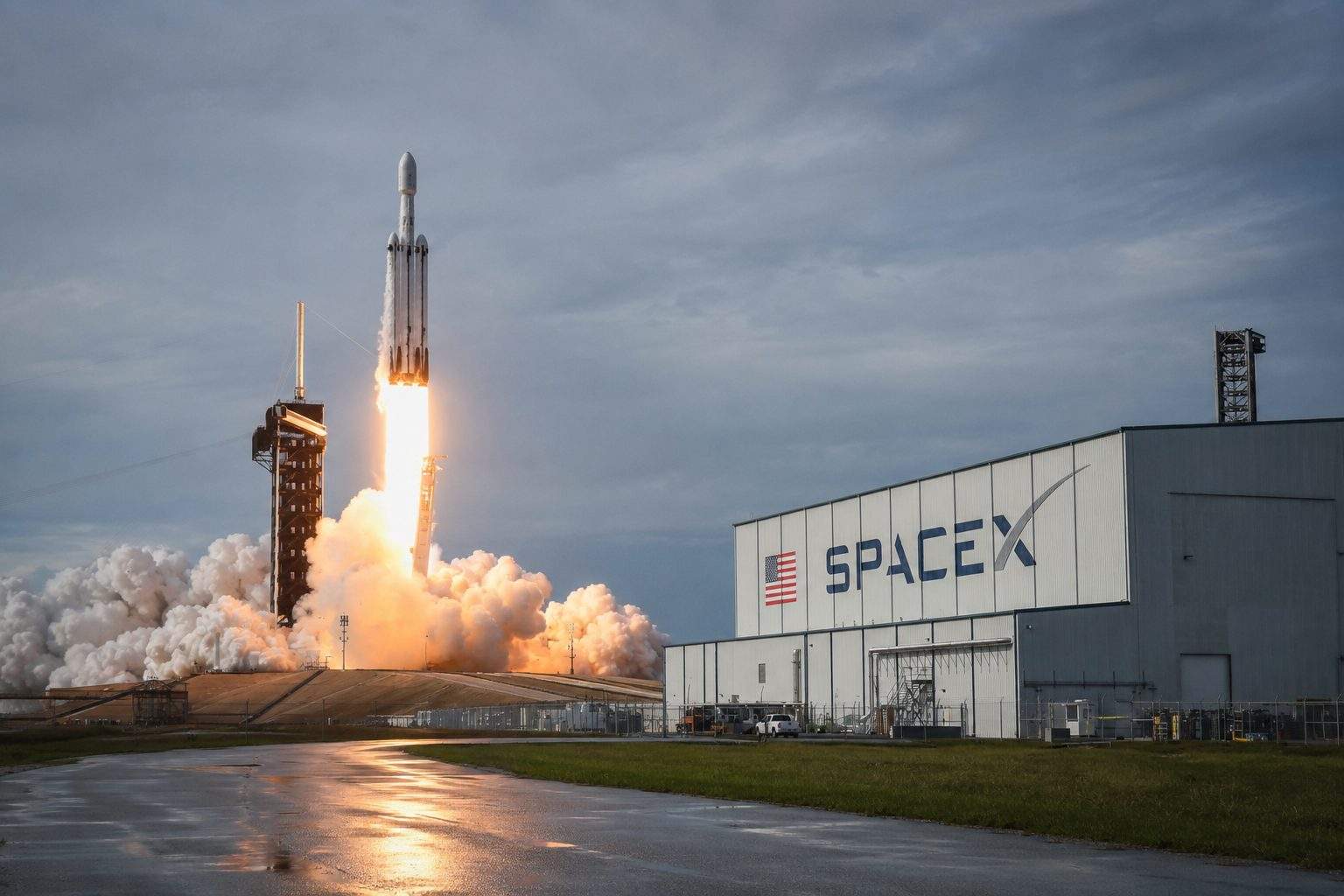
SpaceX NASDAQ:SPCX shares fell about 1% to around $150.60 ahead of Friday’s open, pulling back after a 2.6% jump to $152.16 on Thursday. Shares recovered even as the company’s 2036 bonds dropped for a fourth straight day, leaving shareholders and lenders moving in opposite directions.
The yield spread on the 2036 debt tracked by MarketAxess NASDAQ:MKTX has moved out to 1.7 percentage points over Treasuries, up from 1.4 points at launch. That extra premium is the yield investors want over government bonds. CreditSights analysts led by Davis Hebert said “fatigue on heavy AI issuance,” the stock’s “roller coaster ride” and allocations to “fast money” traders are behind the move. The Wall Street Journal
The change looks small next to SpaceX’s equity, but it is meaningful. The 2036 section totals $6 billion, pays a 5.875% coupon. A 30 bp jump—one basis point is 1/100th of a percent—means $18 million more in yearly interest if the Treasury benchmark stays put and all else is equal on a new $6 billion loan.
SpaceX shares haven’t gotten a clear boost since joining the Nasdaq-100 on Tuesday. JPMorgan Chase NYSE:JPM had put the number for forced fund buying at $4.3 billion, but the stock slid 6.8% in its benchmark debut and was down 6.1% from July 2 by Thursday. Shares still sat 12.7% over the IPO level of $135.
Going by the 13.08 billion shares used for SpaceX’s IPO valuation, the stock ended Thursday with an implied equity value near $1.99 trillion. That’s about $220 billion above where the IPO priced. Since June’s intraday peak at $225.64, the pullback has wiped out roughly $961 billion in implied value—more than half the market cap of most listed U.S. firms.
| Market signal | Reference point | Latest reading | Change |
|---|---|---|---|
| Stock vs July 2 | $162.00 | $152.16 | -6.1% |
| Stock vs IPO | $135.00 | $152.16 | +12.7% |
| Stock vs post-IPO peak | $225.64 | $152.16 | -32.6% |
| 2036 bond spread | 140 basis points | 170 basis points | +30 basis points |
| Market cap implied | $1.77 trillion | $1.99 trillion | +$220 billion |
SpaceX raised $25 billion in a five-part bond sale in June, coming just after its record IPO. Orders for the bonds came to almost $85 billion, but most of the money went to pay down bridge loans. Some investors in the oversubscribed deal are now pushing for higher yields, as the bonds have slipped in the secondary market.
Equity analysts are going in a different direction. When Blue Origin tried for $10 billion at a $130 billion valuation before its latest round, William Blair’s Louie DiPalma upped his SpaceX rocket launch business estimate to $546 billion from $300 billion. That is about 4.2 times more than the proposed Blue Origin valuation just for SpaceX’s launch business. William Blair said it helped underwrite the SpaceX IPO and makes a market in the shares.
Thursday’s rally wasn’t sector-wide. Rocket Lab NASDAQ:RKLB slipped 0.9%. Firefly Aerospace NASDAQ:FLY dropped 2.4%. SpaceX now trades at almost 40 times Rocket Lab’s value and close to 500 times Firefly’s. Its shares are more sensitive to shifts in expectations for businesses that still aren’t generating consistent cash.
| Company | Thursday close | Daily move | Approximate equity value |
|---|---|---|---|
| SpaceX NASDAQ:SPCX | $152.16 | up 2.6% | $1.99 trillion |
| Rocket Lab NASDAQ:RKLB | $82.55 | down 0.9% | $50.0 billion |
| Firefly Aerospace NASDAQ:FLY | $25.28 | off 2.4% | $4.0 billion |
But part of the bond selloff may be about trading dynamics, not just worries over SpaceX’s ability to pay. The group had more than $100 billion in cash after its IPO and landed investment-grade ratings, so default risk looks low for now. Still, S&P Global Ratings NYSE:SPGI is looking for negative free cash flow through 2029, meaning cash won’t cover ops and capital costs. If SpaceX keeps pouring money into Starship, Starlink and AI, and needs to tap debt markets again, today’s wider spreads could mean bigger borrowing costs later.
A stronger sign of Thursday’s rally would be both markets moving up at once. Shares sticking around $150 while the 2036 spread gets tighter would give the bounce more backing. If the stock climbs but bonds keep sliding, equity buyers are still betting on index flows and long-term growth as lenders ask for more yield.
Related articles: NYSE:JPM