NEW YORK, July 17, 2026, 04:14 (EDT)
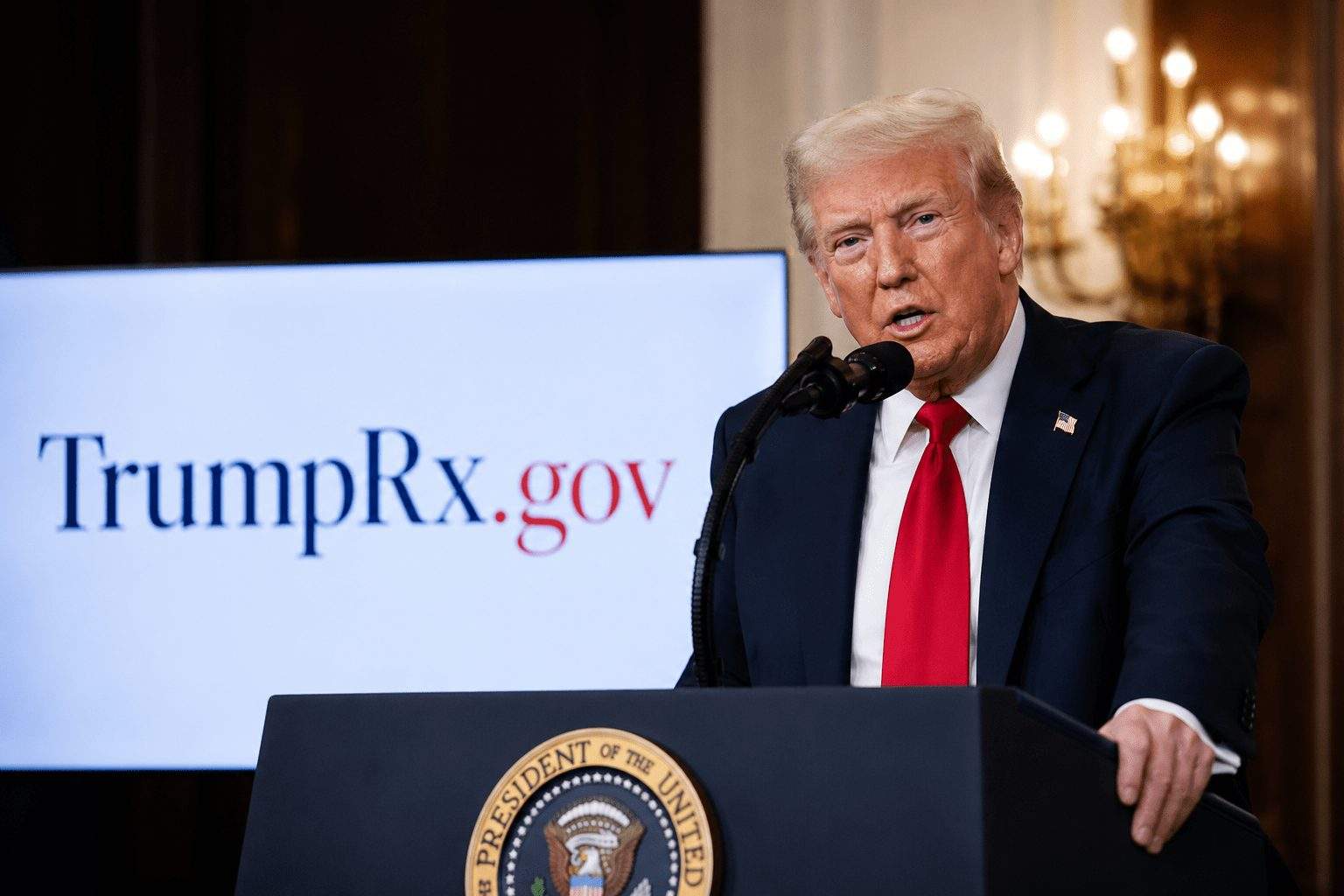
TrumpRx currently includes around 10% of the branded drug portfolios offered by pharmaceutical companies taking part in the program, well below the widely cited figure of more than 800 medicines.
By early Friday, the live catalogue showed 79 “presidential deals” already negotiated. NPR analyzed the list this week and found 92 brand-name drugs included. In total, the 17 participating companies make more than 800 branded medicines. TrumpRx
More than 800 platforms primarily feature generic product listings. In May, the White House added over 600 new listings comparing generic cash prices, keeping these separate from discounted prices arranged for branded products.
The shift pushes risk onto cash-pay segments for investors. Obesity and fertility drugs are included here, with many major insured blockbusters left out.
Pfizer NYSE:PFE, Gilead Sciences NASDAQ:GILD, and Eli Lilly NYSE:LLY highlight the divide. The table uses data reported by the companies for the first quarter of 2026.
| Company | TrumpRx position | Q1 2026 sales benchmark | Investor read-through |
|---|---|---|---|
| Pfizer NYSE:PFE | Ibrance is absent from the list. More than 100 Pfizer therapies are still not featured. | Ibrance: $1.008 billion, equal to 7.0% of overall revenue. | Main cancer offerings are omitted. |
| Gilead Sciences NASDAQ:GILD | Epclusa is listed as committed yet not available. Biktarvy is left out. | Biktarvy: $3.4 billion, or 48.6% of the company’s revenue. | TrumpRx still excludes major HIV drugs. |
| Eli Lilly NYSE:LLY | Zepbound has offered a negotiated cash price since launch. | Zepbound: $4.16 billion, making up 21.0% of revenue. | TrumpRx provides entry to a significant and fast-growing direct-pay market. |
Percentages are rounded figures based on reported company revenue.
Gilead has the biggest gap; Biktarvy made up nearly half its quarterly revenue but was left off TrumpRx. In contrast, Pfizer’s excluded Ibrance represented just 7%.
Lilly remains the leading operational performer. Zepbound sales surged 79% to $4.1 billion, despite lower realised prices. The company pointed to earlier-period decreases in cash-pay.
This indicates a move toward volume-driven pricing. Strong demand can compensate for lower unit profitability, while mature drugs might not experience similar advantages.
Harvard Medical School researcher Dr. Ben Rome called the participation “a little bit more for show,” saying companies were signaling engagement instead of providing their full portfolios. New Hampshire Public Radio
Usage data also suggests concentration. KFF found that 7% of people taking prescription drugs visited TrumpRx in the last month. For current or former GLP-1 users, the figure increased to 16%.
Ronna Hauser, senior vice president at the National Community Pharmacists Association, said pharmacists are seeing patients “here and there.” Demand remains inconsistent. New Hampshire Public Radio
Generic expansion more significantly affects search traffic than it does manufacturer pricing. The emphasis is on comparing independent cash offers rather than launching additional branded discounts.
An individual channel change could increase uptake. CVS Health NYSE:CVS Caremark’s proposed agreement with the FTC may enable eligible TrumpRx payments to count towards deductibles if certain legal or regulatory modifications occur. The proposal is open for public comment.
U.S. regular trading had not started as of 04:14 EDT. Nasdaq 100 futures dropped 1.6% in active premarket trade, while S&P 500 futures slipped about 0.9%.
Pfizer gained 1.3% on Thursday. Gilead rose 3.4% and Lilly was up 1.1%. The S&P 500 shed 0.5%. Market movements do not offer a clear TrumpRx read.
This week, the main channel development was Caremark’s settlement. Pfizer is set to report results on August 4, with Lilly following on August 5. Heading into next week, policy rollout and major brand introductions will be top priorities.
Risks: The inclusion of major brands could increase price competition in the short term. Deductible credits may help drive higher volumes, possibly offsetting some effects from lower net prices. Limited adoption could diminish the extent of both trends.
Currently, TrumpRx functions as a specialized cash-payment platform, and has not launched a full-scale transformation of Big Pharma’s economic framework.
Related articles: NYSE:PFE