
OMAHA, Nebraska, August 10, 2026, 12:02 EDT — US equity markets were trading as usual.
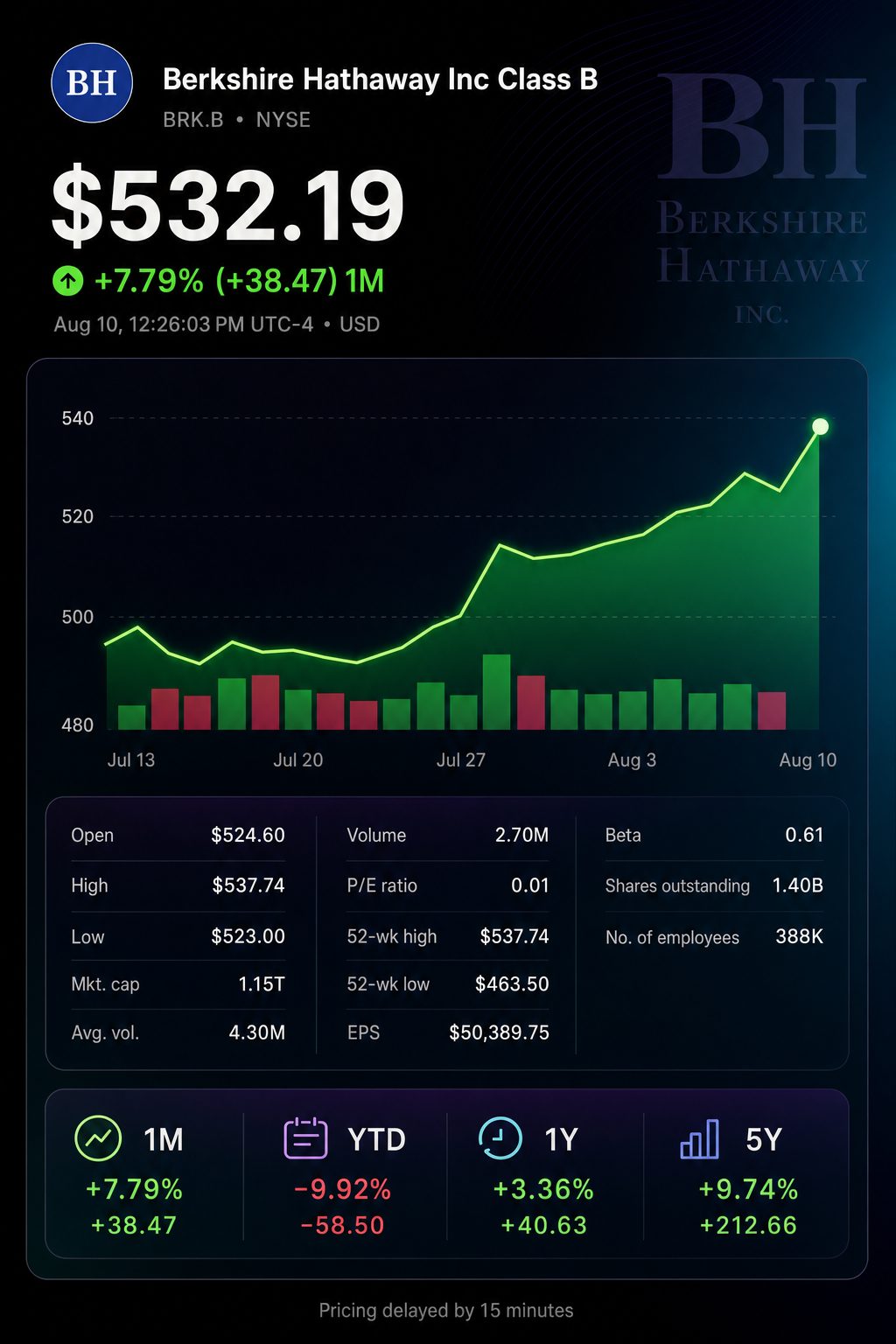
- Berkshire’s Class B shares climbed up to 3.1%, reaching $537.74.
- Operating earnings for the second quarter rose 16.3% to $12.98 billion.
- Total gross stock purchases and buybacks amounted to $28.0 billion for the quarter.
- Named operating segments reported a 5.2% increase in earnings, excluding the volatile “Other” category.
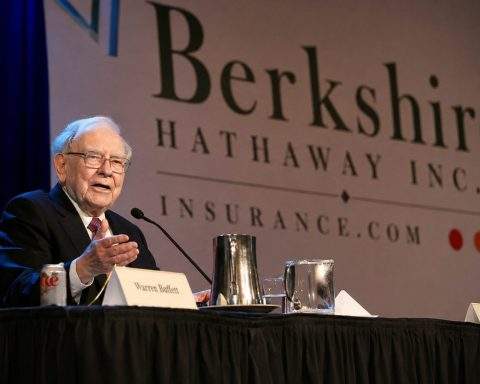
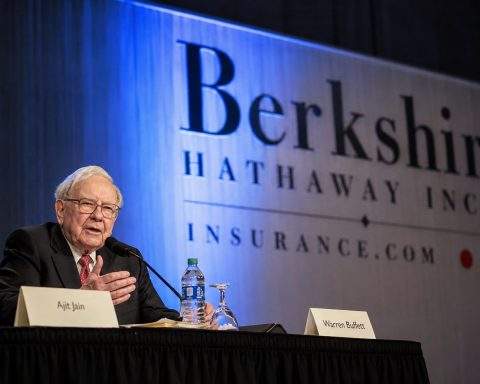
Berkshire Hathaway Inc. NYSE:BRK.B stock climbed to its highest point since Warren Buffett revealed he would step down as chief executive in May 2025. Class B shares advanced up to 3.1% at $537.74. Gains in Class A shares reached as much as 3.3%, touching $806,102.81.
The decision was announced as the broader US market held mostly steady. Investors responded positively to new CEO Greg Abel, who combined improved operating performance with a quicker pace of capital deployment.
For investors, the picture is more nuanced than the 16% profit surge suggests. A major part of the boost in operating earnings stemmed from a volatile segment influenced by currency fluctuations, while core operating businesses saw slower growth.
| Q2 measure | 2026 | 2025 or prior quarter | Change |
|---|---|---|---|
| Total revenue | $101.81 billion | $92.52 billion | +10.0% |
| Operating earnings | $12.98 billion | $11.16 billion | +16.3% |
| Net earnings | $25.67 billion | $12.37 billion | +107.5% |
| Cash and Treasury bills | $364.7 billion | $380.2 billion at March 31 | -$15.5 billion |
Berkshire’s statement affirms the figures for revenue, operating earnings and net earnings. The quarterly report highlights the need for care when looking at net income, as US accounting standards require unrealised equity gains to be included in reported profit.
Operating earnings increased by $1.82 billion. The “Other” segment accounted for $1.24 billion, representing 68.1% of this rise. Berkshire attributed the improvement largely to foreign-exchange effects.
| Operating-earnings component | Q2 2026 | Q2 2025 | Dollar change |
|---|---|---|---|
| Insurance underwriting | $1.731 billion | $1.992 billion | -$261 million |
| Insurance investment income | $3.059 billion | $3.367 billion | -$308 million |
| BNSF | $1.558 billion | $1.466 billion | +$92 million |
| Berkshire Hathaway Energy | $891 million | $702 million | +$189 million |
| Manufacturing, service and retailing | $4.470 billion | $3.601 billion | +$869 million |
| Other | $1.274 billion | $32 million | +$1.242 billion |
The five listed operating buckets, not including “Other”, generated $11.71 billion, compared to $11.13 billion previously, reflecting a 5.2% rise. Manufacturing, service, and retailing accounted for over the full $581 million gain, as both insurance divisions saw declines. Berkshire earnings release
Decisions about capital allocation held particular significance. Berkshire spent $4.5 billion on share buybacks and invested $23.5 billion in other equities during the period. Purchases of Alphabet Inc. NASDAQ:GOOGL shares amounted to $10 billion. Berkshire continued to count Apple Inc. NASDAQ:AAPL among its top five equity investments.
Gross equity deployment totaled $28.0 billion, amounting to 1.81 times the $15.5 billion quarterly decrease in cash and Treasury bills. The comparison is not a measure of cash flow, since Berkshire also disposed of securities and produced operating cash. It reflects the magnitude of Abel’s acceleration.
| Firm | Analyst | Rating | Fresh assessment |
|---|---|---|---|
| UBS Group AG NYSE:UBS | Brian Meredith | Buy | Increased price target; highlighted capital allocation |
| Keefe, Bruyette & Woods | Meyer Shields | Underperform | Boosted price projection, maintained negative outlook |
Wall Street analysts offered mixed opinions. Shields referred to the quarter as “very solid” yet maintained an underperform rating, citing macroeconomic uncertainty and challenges in insurance pricing. Meredith, meanwhile, called the cash deployment “meaningful” and continued to recommend a buy rating. Reuters
UBS increased its Class A price target to $906,000, Barron’s reported. With Monday’s session high at $806,102.81, the new target suggests a 12.4% potential gain. This estimates minimal space for further significant valuation growth unless additional capital is deployed or there is a boost in core growth.
Risks: Insurance underwriting profits declined by 13.1%, with insurance investment income decreasing 9.1%. Geico experienced an increase in accident claims and higher advertising costs. If insurance pricing remains soft or there is a delay in deploying cash, the two principal factors backing Monday’s rerating could be undermined.
The following question is whether buybacks will keep up in July. Berkshire repurchased another $3.3 billion of its stock in July, at the same time as it wrapped up the Taylor Morrison acquisition. Continued buybacks would help reinforce its current valuation, while any halt might prompt investors to look again at the 5.2% growth reported by its core operating units.
Related articles: NYSE:BRK-B