
WASHINGTON, August 21, 2026, 07:21 EDT — U.S. stocks traded briskly in premarket hours. Regular trading is set to begin at 09:30 EDT.
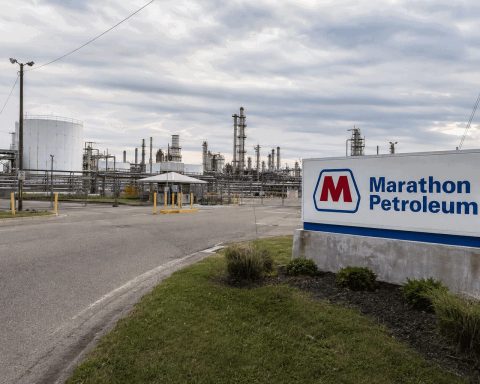
The premature conclusion of U.S. summer-gasoline regulations puts about $22 billion in valuation premium at risk for three leading refiners. Shares of Valero Energy Corp. NYSE:VLO, Marathon Petroleum Corp. NYSE:MPC and Phillips 66 NYSE:PSX remain above consensus analyst price targets. The increased supply flexibility may relieve prices at the pump, but could also trim gasoline scarcity margins.
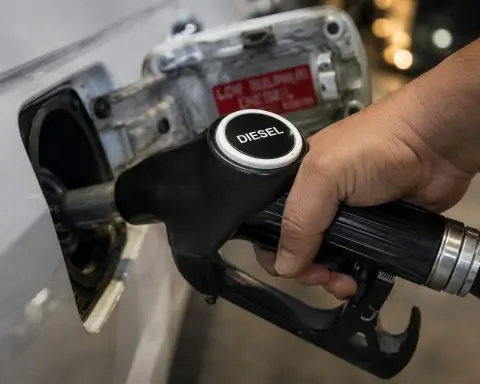
That is the source of investor anxiety around the “gasoline” issue. Reuters reported regular gasoline averaged $4.10 per gallon on Thursday, compared with approximately $3.13 at the same point last year. This 97-cent difference amounts to about $757 per year for someone purchasing 15 gallons each week. Reuters
| Pump-price measure | Value | Investor reading |
|---|---|---|
| Regular gasoline, Aug. 20 | $4.10/gallon | National average now |
| Regular gasoline, year earlier | $3.13/gallon | Year-back point |
| Year-over-year increase | $0.97 / 31.0% | Sign of inflation, impact on buyers |
| Estimated annual burden | $757 | 15 gallons per week at the difference |
The Environmental Protection Agency has approved the use of higher-volatility E10 gasoline starting September 1, nearly two weeks earlier than the usual September 15 shift. Producing higher Reid Vapor Pressure fuel costs less, increasing available supply. Summer blends with lower volatility reduce evaporation and help limit smog.
| Policy item | Previous position | New position | Market channel |
|---|---|---|---|
| E10 seasonal transition | September 15 | September 1 | Winter-grade fuel becomes available roughly two weeks sooner |
| Fuel volatility | Lower summer RVP | Higher RVP allowed | Greater options for blending |
| State controls | Local rules more strict | Texas, Arizona and California exemptions | Relief may last up to 20 days |
| New York and New Jersey | Local oversight stays unchanged | No exemption parallel reported | Northeast price fluctuations contained |
Rapid Energy stated the shift could “offer immediate pump price relief.” Tom Kloza, chief energy adviser at Gulf Oil, expressed more caution. He said the impact would stay limited unless New York and New Jersey eased restrictions as well. The dispute highlights the importance of location.
The share prices already reflect exceptionally robust refining profits. As of Thursday’s close, they were trading 6% to 9% higher than the typical analyst price targets. Together, their market value stood near $295 billion. Adjusting the firms’ prices down to consensus estimates would cut roughly $21.6 billion in total.
| Refiner | Aug. 20 close | Daily move | P/E | Average target | Estimated value above target |
|---|---|---|---|---|---|
| Valero NYSE:VLO | $341.51 | -1.37% | 14.17 | $320.67 | $6.0 billion |
| Marathon Petroleum NYSE:MPC | $358.23 | -0.70% | 12.54 | $326.07 | $9.0 billion |
| Phillips 66 NYSE:PSX | $240.00 | -0.95% | 13.71 | $223.64 | $6.5 billion |
Marathon holds the highest recent earnings buffer. The company posted $5.1 billion in net income for the second quarter and $8.5 billion in adjusted EBITDA. Net income was $1.2 billion in the same period a year ago. Marathon also distributed $2.8 billion in capital.
| Date | Analyst | Company | Recommendation | Target |
|---|---|---|---|---|
| August 11 | Nitin Kumar | Phillips 66 | Buy reiterated | $220 |
| August 11 | Nitin Kumar | Marathon Petroleum | Hold reiterated | $304 |
| August 10 | Arun Jayaram | Phillips 66 | Buy reiterated | $234 |
| August 6 | Jason Gabelman | Phillips 66 | Buy reiterated | $255 |
| August 5 | Neil Mehta | Marathon Petroleum | Buy reiterated | $376 |
| August 4 | Arun Jayaram | Valero | Buy reiterated | $339 |
Ratings consensus is upbeat, though price outlooks are more reserved. Valero holds nine Buy ratings alongside six Hold. Marathon is similarly rated, with nine Buy and six Hold recommendations. Phillips 66 reports eight Buy and six Hold ratings. No consensus Sell rating is present for any of these stocks.
The waiver does not increase crude oil supply. Instead, it alters which gasoline varieties are eligible for distribution. Investors should monitor Gulf Coast gasoline crack spreads, Northeast price differentials, and wholesale-to-retail pass-through rates. These indicators will reveal where the relief ultimately lands.
Risks: Iran-linked crude supply issues could outweigh the impact of the waiver. If outages continue, refiners might maintain high margins, and consumers could see limited advantages where government regulations still apply.
Related articles: NYSE:MPC