
NEW YORK, July 18, 2026, 09:08 EDT
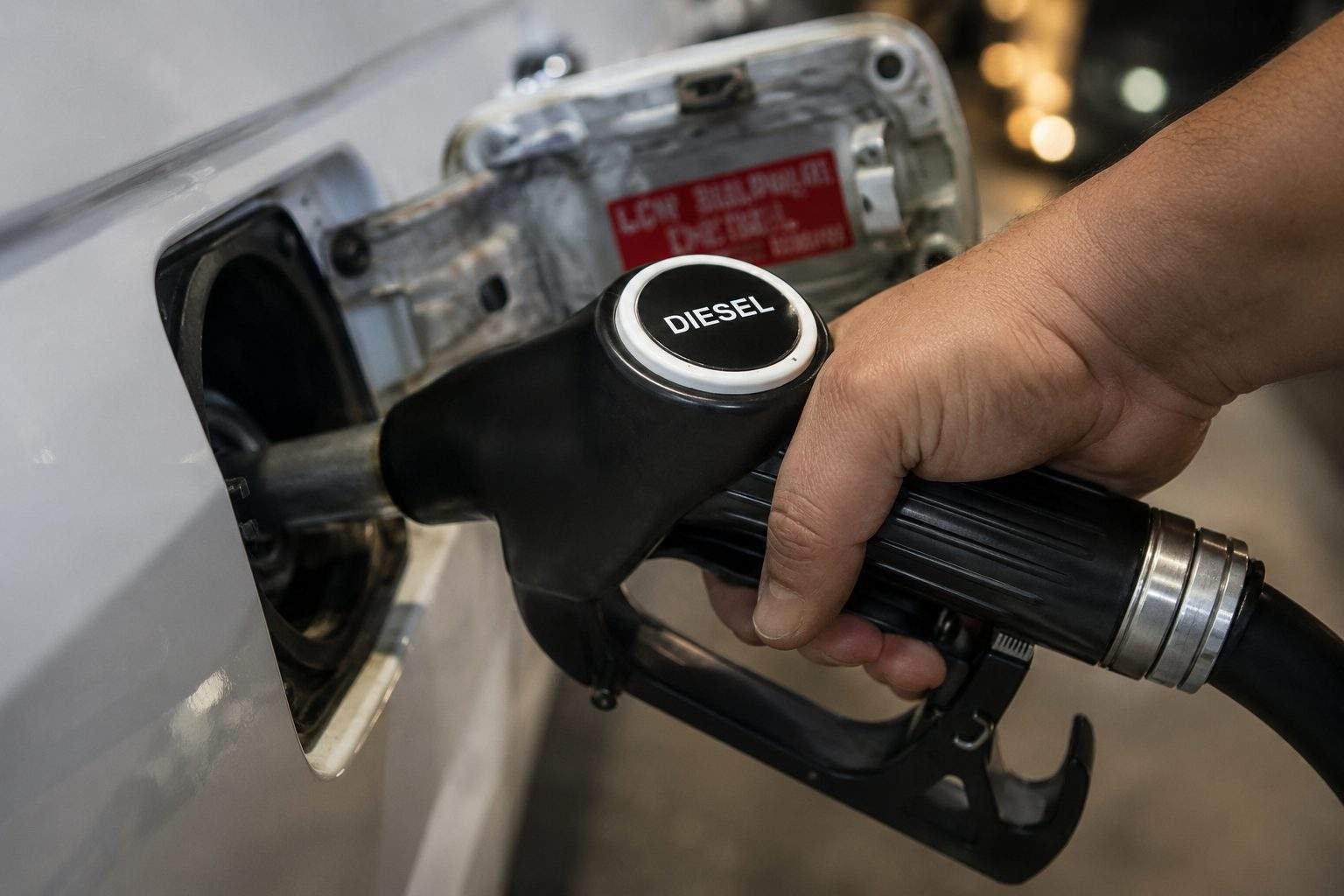
U.S. diesel climbed to $5.088 a gallon on Saturday. The price premium over regular gasoline expanded to $1.096, almost double the difference from a year ago.
This is not an upswing in domestic demand. Four-week distillate consumption dropped 2.1% compared with a year ago. Inventories increased significantly. Despite this, the diesel crack spread reached a record high.
Worldwide shortages are outweighing a slowdown in U.S. demand, benefiting refiners and shifting a larger share of fuel expenses onto shippers.
U.S. cash markets did not operate on Saturday. Both Brent and WTI climbed roughly 16% over the past week, finishing Friday at $88.10 and $82.49 per barrel, respectively.
AAA data indicates national diesel prices are climbing at a quicker pace than gasoline.
| Price per gallon | July 18 | Week earlier | Month earlier | One year earlier |
|---|---|---|---|---|
| Regular gasoline | $3.992 | $3.882 | $3.999 | $3.155 |
| Diesel | $5.088 | $4.877 | $5.129 | $3.730 |
| Diesel minus regular | $1.096 | $0.995 | $1.130 | $0.575 |
Diesel prices increased by 21.1 cents over the week, while regular gasoline advanced 11 cents. The premium for diesel expanded by 10.1 cents but is still 3.4 cents lower than a month ago.
Data from the EIA support that view. Refineries were operating at 96.2% of capacity in the most recent week. Distillate inventories increased by 4.6 million barrels to 108.2 million, holding around 11% under the five-year seasonal average.
More U.S. barrels have been shipped overseas by exports. Average second-quarter distillate exports reached 1.56 million barrels per day, marking a 30% increase compared to the five-year average. Distillate and jet-fuel cracks have more than doubled from a year earlier.
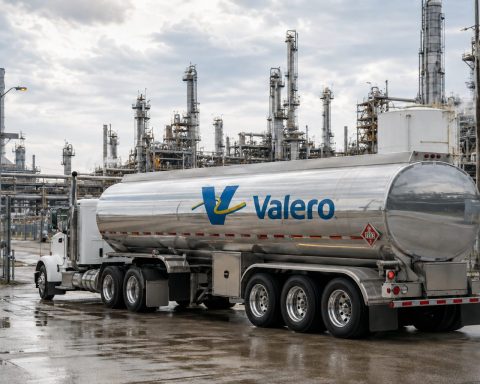
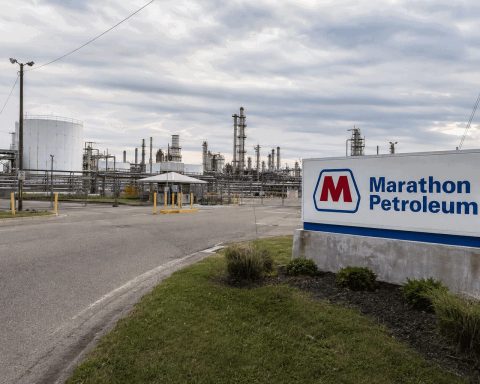
The 3-2-1 crack spread ended Thursday at an all-time high of $69.66 per barrel. The diesel crack surpassed $91. Shares of Valero Energy Corp. NYSE:VLO advanced 3.1% on Friday. Phillips 66 NYSE:PSX climbed 2.8%, and Marathon Petroleum Corp. NYSE:MPC was up 2.2%.
Shipping invoices provide another method of cost transfer. FedEx Corp. NYSE:FDX is set to increase its ground fuel surcharge to 25.25% next week, up from the existing 25.00%. United Parcel Service Inc. NYSE:UPS similarly updates its ground surcharges on a weekly basis, referencing EIA diesel figures.
Example calculation: According to FedEx’s table, a diesel price between $5.08 and $5.17 results in a 25.75% surcharge. AAA’s most recent daily price stands at $5.088. FedEx bases the surcharge on a delayed EIA metric, meaning this is not an official company outlook.
The formula offers parcel carriers some protection. Customers experience the rise after a lag. Recovery continues to differ depending on contract terms and timing.
“This will impact all shipped goods,” Southern Methodist University economics professor Michael Sposi said. Food prices and delivery fees could increase ahead of others. ABC News
FedEx will implement its Monday surcharge reset at the start of the week. The EIA is set to release its petroleum report on Wednesday, July 22. Tanker movement through the Strait of Hormuz continues to drive prices.
“If additional tankers are attacked and sustain damage, we’re likely to witness further increases in oil prices,” analyst Andrew Lipow stated. The direction of flows through Hormuz will be key in determining if the weekly rally persists. Reuters
Risks: A lasting truce may bring flows back and narrow crack spreads fast. Extended disruption could drive surcharges higher, then erode freight demand.
The expanding diesel-gasoline spread is a clearer indicator for investors. Refiners benefit as global shortages continue. Parcel carriers are able to transfer some of the cost, while merchants experience a delayed impact.
Related articles: NYSE:MPC




![Asia Stock Market Today 28/08/2026 [UPDATE: 00:51 SGT] [Salesforce Leads KASE Global Into Final Minutes After Asia’s Split Close]](https://ts2.tech/wp-content/uploads/2026/08/Asia-market-dashboard-2026-08-28-0051-480x384.jpg "Asia Stock Market Today 28/08/2026 [UPDATE: 00:51 SGT] [Salesforce Leads KASE Global Into Final Minutes After Asia’s Split Close]")