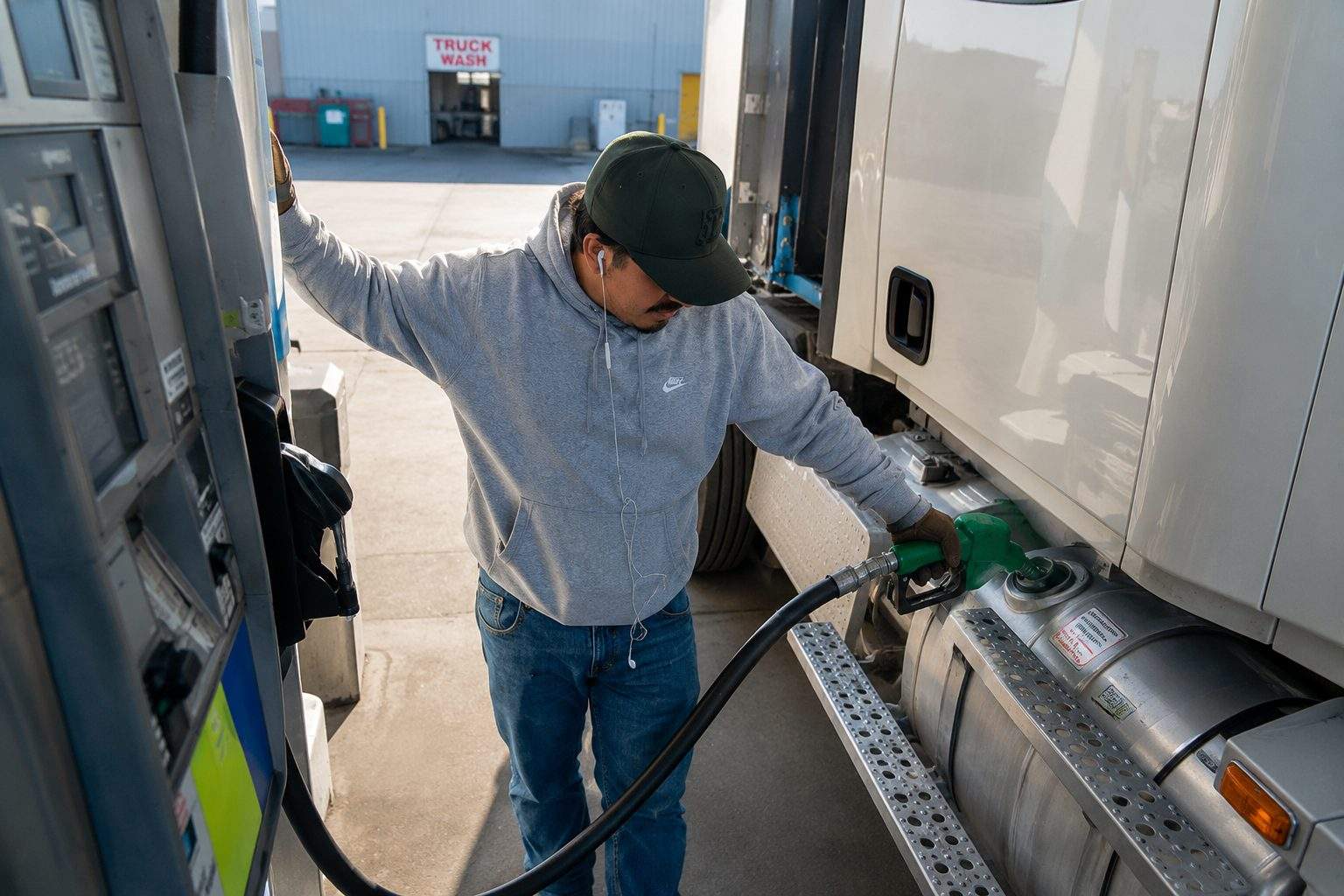

NEW YORK, July 18, 2026, 16:18 EDT – U.S. refiners have surged ahead of major oil companies as diesel margins hit record highs driven by disruptions at the Strait of Hormuz.
A basket tracking three U.S. refiners in equal weights increased 10.1% last week, outperforming the S&P 500 by 11.7 percentage points. U.S. cash trading was paused for the weekend following declines on Friday. Shares of Valero Energy NYSE:VLO advanced 10.3%, Marathon Petroleum NYSE:MPC climbed 10.2%, and Phillips 66 NYSE:PSX was up 9.8%.
Brent crude rose roughly 16% over the same five sessions, closing at $88.10. West Texas Intermediate finished at $82.49. The refiner basket outperformed Exxon Mobil NYSE:XOM and Chevron NYSE:CVX by 3.9 points, reflecting a downstream scarcity premium.
The U.S. 3-2-1 crack spread, a key refining-margin benchmark, demonstrates the reasons behind the investor premium. It hit a record high of $69.66 a barrel on Thursday. The diesel crack finished above $91 a barrel, another all-time high. Gasoline margins hovered close to $59 a barrel, a level last reached in 2022.
MST Financial analyst Saul Kavonic stated the issue directly. “Refined fuels are the more broken part of the chain,” he told ABC. ABC News
| Equity measure | Weekly move | Lag versus refiner basket |
|---|---|---|
| Basket of VLO, MPC and PSX, equal-weighted | +10.1% | 0.0 percentage points |
| Basket of XOM and CVX, equal-weighted | +6.2% | 3.9 percentage points |
| S&P 500 | -1.6% | 11.7 percentage points |
Updates reflect closes from July 10-17; stock baskets have equal weighting.
EIA data indicated gasoline inventories were 8% under the five-year seasonal average, with distillate stocks 11% below the five-year benchmark.
Refineries operated at 96.2% of capacity for the week ending July 10. Distillate production increased to 5.3 million barrels per day, while gasoline output declined to an average of 9.6 million barrels per day. High utilization rates have not resolved the product mix.
U.S. gasoline prices dropped 9.7% in June, contributing to a 0.4% decline in headline CPI. However, diesel futures have since jumped around 20% from early last week, posing a new risk of higher freight and food costs.
Russia’s short-term ban on diesel exports squeezed a global market already facing tight supply, while limited Hormuz shipping cut Middle Eastern fuel flows even further.
Beijing eased pressure by removing fuel-export restrictions for July. However, those curbs may come back in August following the restart of Gulf hostilities.
Independent oil analyst John Kemp said that “will require higher gasoline prices” to restore gasoline production. Refiners are faced with a decision between replenishing gasoline inventories or pursuing diesel margins. Reuters
The EIA report on Wednesday will indicate if the trade-off is lessening. The July 22 report is scheduled for release at 10:30 a.m. EDT. Investors are expected to monitor gasoline draws and distillate builds.
The trade could turn quickly. If a lasting truce is struck, product spreads may narrow within days. Margins would also come under pressure if crude prices jump faster than fuel prices.
Product inventories are currently a more reliable indicator for refinery stocks. Crude oil alone fails to capture the existing bottleneck.
Related articles: NYSE:MPC