
DEARBORN, Michigan, September 3, 2026, 13:39 (EDT)
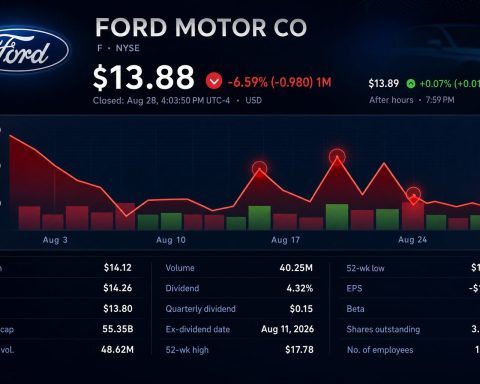
- Ford rose 2.3% to $14.4601 at 13:39 EDT on 24.95 million shares.
- Two recalls cover 158,664 vehicles, or 93.0% of August U.S. company sales.
- Ford carried $17.57 billion of warranty and field-service-action obligations at June 30.
Ford Motor Company (NYSE:F) shares rose 2.3% on Thursday despite two fresh vehicle recalls. The stock traded at $14.4601 at 13:39 EDT. Volume reached 24.95 million shares, according to the Nasdaq real-time quote.
The gain suggests investors view the immediate earnings risk as contained. Federal filings cover 158,664 vehicles, nearly one month of Ford’s latest U.S. sales.
Ford intraday price
NYSE, U.S. dollarsAs of . Points: 09:30 $14.185; 10:30 $14.223; 11:30 $14.4299; 12:30 $14.40; 13:30 $14.4499; latest $14.4601. Source: Nasdaq.
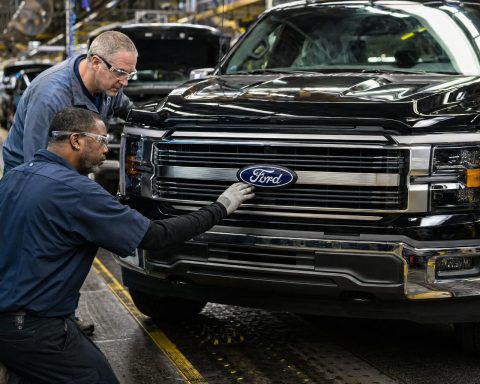
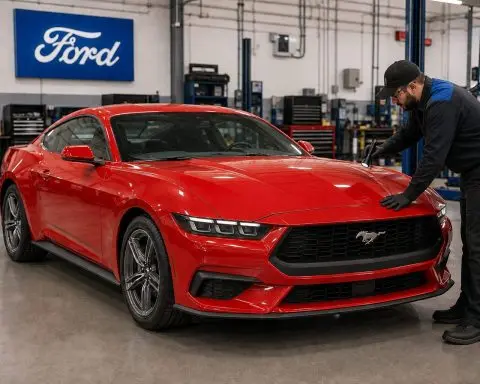
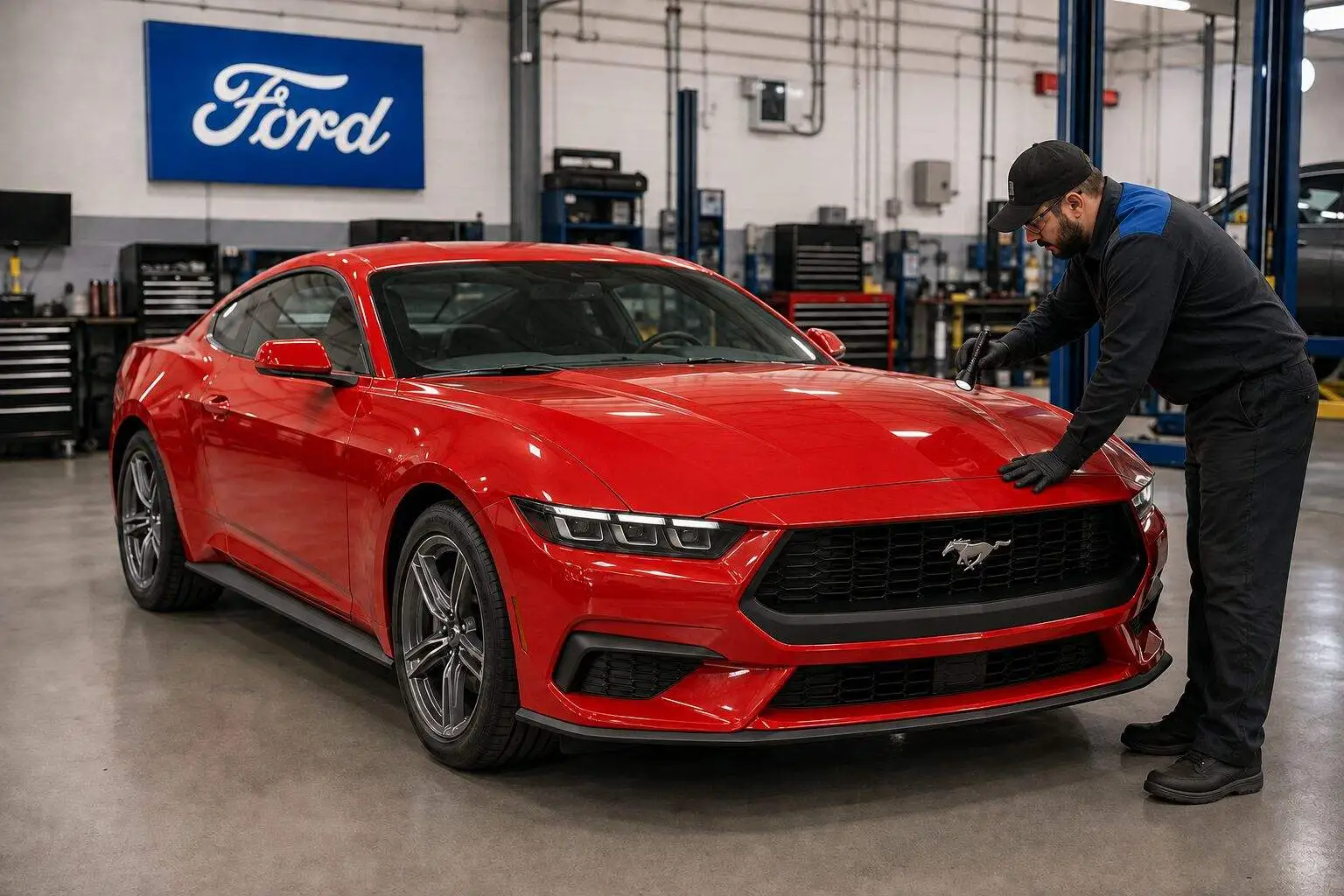
The larger action affects 148,663 Mustangs from model years 2024 through 2026. Wiring-harness ground eyelets can fracture and cut drive power. The NHTSA filing estimates a 1% defect rate.
Ford found eight related warranty claims through August 4. It reported no crashes or injuries. Dealers will replace four ground terminals free of charge.
A separate engine recall covers 10,001 2026 vehicles across five nameplates. Supplier machining faults can crack piston domes and stop the engine. Regulators estimate a 0.5% defect rate.
Recall population versus one month of U.S. sales
Recall counts are potential populations, not confirmed defects. Sources: NHTSA 26V547, NHTSA 26V548, and Ford’s August sales release data.
The combined population equals 93.0% of Ford and Lincoln’s August U.S. sales. The main Mustang campaign alone equals roughly 41 months of August Mustang volume. Those comparisons measure service scope, not expected cost.
Ford had accrued $17.571 billion for warranties and field actions by June 30. First-half payments reached $3.031 billion. Its quarterly filing also cites up to $2 billion of reasonably possible costs beyond accruals.
Ford’s warranty ledger
Sources: Ford’s second-quarter 10-Q and 2026 outlook. Dollar amounts are not estimates of these two recalls.
Quality remains central to the 2026 earnings plan. Chief Financial Officer Sherry House said Ford aims “to take $1 billion in warranty and material costs out” this year. Her July statement paired that target with stronger operating results.
Ford raised full-year adjusted EBIT guidance to $10 billion-$11 billion. It also lifted adjusted free-cash-flow guidance to $6 billion-$7 billion. Second-quarter adjusted EBIT rose 17% to $2.5 billion.
Sales provide a less comfortable backdrop. August U.S. company volume fell 10.3% to 170,681 vehicles. Mustang sales rose 12.7% to 3,647 units, however.
The market’s auto bid was broad. General Motors Company (NYSE:GM) gained 2.6% at 13:39 EDT. Stellantis N.V. (NYSE:STLA) rose 4.6%.
Ford has not disclosed a cost for either action. Supplier recoveries could reduce the bill after terms are agreed. The Mustang wiring remedy is expected by March 2027.
Engine inspections follow interim owner notices beginning September 4. Remedy notices are scheduled for late December. The next earnings test is whether those repairs disturb Ford’s cost-reduction path.
Risks: Defect rates are estimates and repair costs remain undisclosed. More claims, slower parts supply, or wider populations could lift cash outlays.
Related articles: NYSE:F