
TULSA, Oklahoma, August 17, 2026, 09:09 CDT —
- PSO settlement keeps $73 million of a requested $299 million increase
- Proposed return on equity falls 112.5 basis points to 9.375%
- Oklahoma regulators expect to issue an order in the third quarter
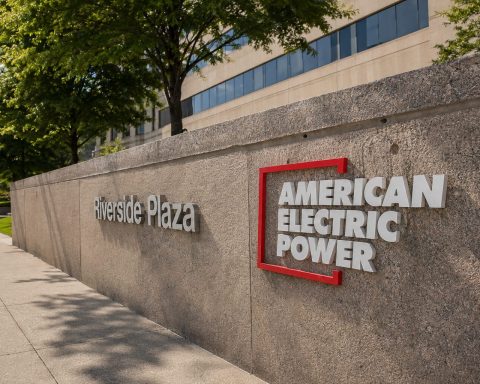
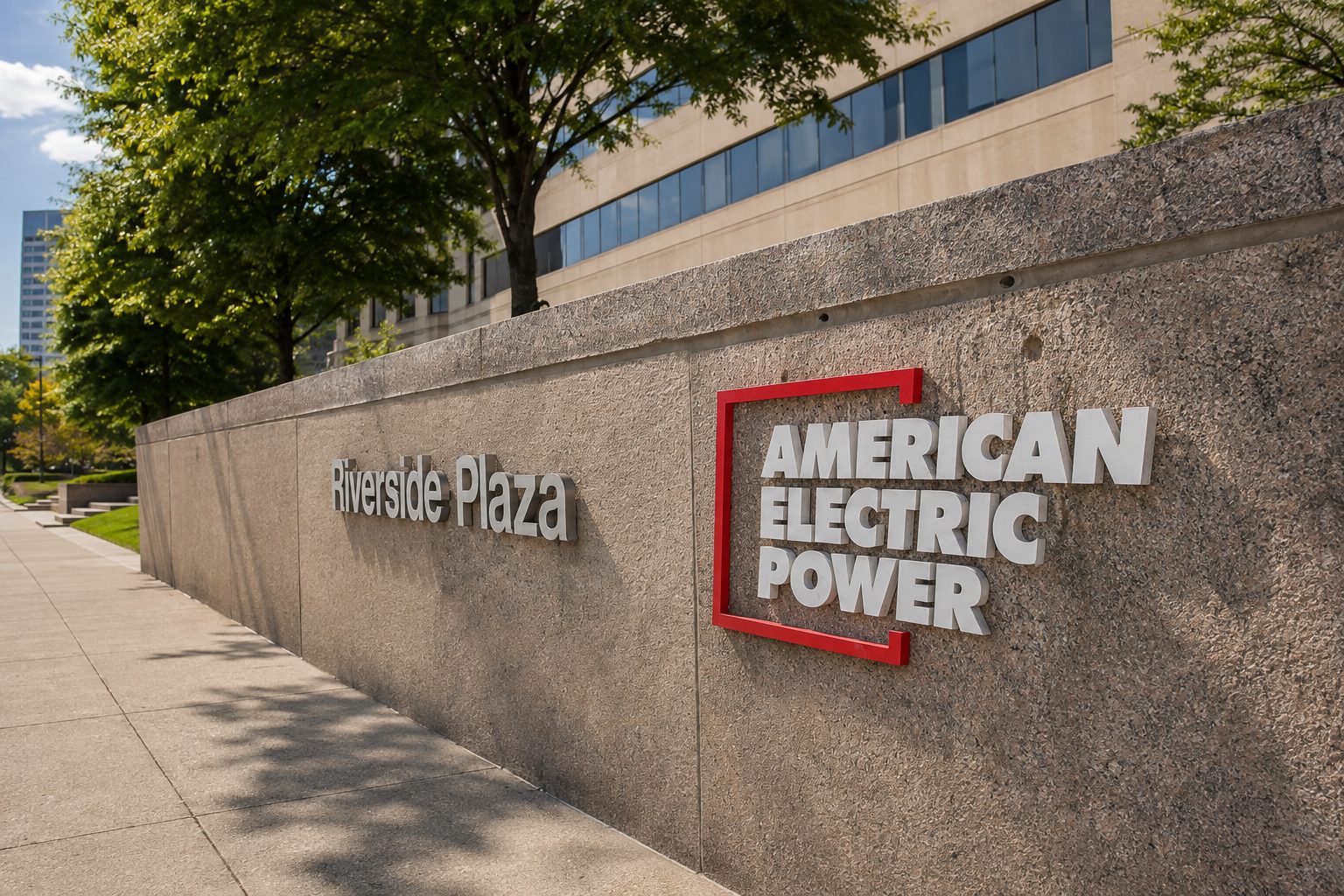
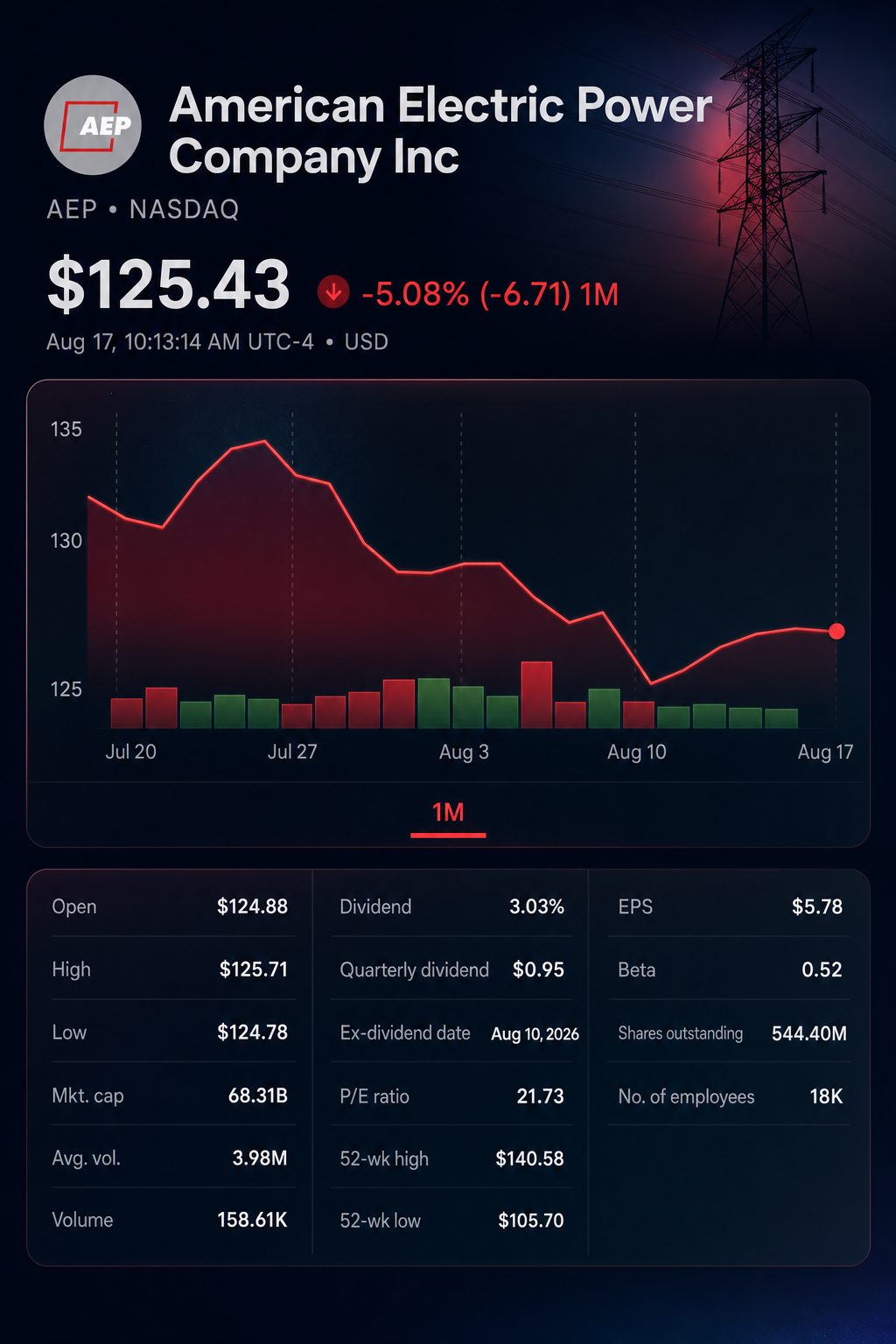
American Electric Power Company, Inc. NASDAQ:AEP traded at $125.35 on Monday morning, down 0.2%. The U.S. market was open. Fresh search interest around Tulsa and Public Service Company of Oklahoma put the utility’s pending rate case back in focus, although the filing did not explain the small share move.
The investor issue is the scale of the compromise. A partial settlement would allow PSO $73 million of new annual revenue, just 24.4% of the $299 million requested in January. That is a $226 million haircut, or 75.6%.
The lower headline award comes with useful recovery tools. The agreement expands PSO’s transmission-cost rider and preserves its proposed capital structure. Those terms could shorten the lag between spending and customer recovery, even as the allowed return falls.
| PSO rate case | January request | June settlement | Change |
|---|---|---|---|
| Annual base revenue | $299 million | $73 million | -$226 million (-75.6%) |
| Return on equity | 10.5% | 9.375% | -112.5 basis points |
| Typical monthly residential bill | More than $25 higher | About $2.45 higher | At least $22.55 less |
| Residential increase | About 15% | About 1% | Roughly 14 percentage points |
PSO began interim rates on July 1 while the Oklahoma Corporation Commission reviews the case. Local reports estimated the temporary increase near $11 a month for an average home. The final settlement, if approved, would lower that burden.
Oklahoma Attorney General Gentner Drummond called the compromise “a major win for Oklahoma families, businesses and ratepayers.” The settlement remains subject to commission approval. Oklahoma Attorney General
| Settlement mechanism | Investor relevance |
|---|---|
| 50.1% debt / 49.9% equity | Requested capital structure is retained |
| Expanded SPP transmission rider | More transmission costs can move through a tracker |
| Tax-repair credits over two years | Customer credits precede later recovery |
| Vegetation-management deferral | $13 million in year one; $4 million annually later |
| Large-load tariffs | Still open after the hearing |
The unresolved large-load tariff matters beyond Oklahoma. AEP has signed agreements representing 69 gigawatts of added customer demand through 2030. Much of the utility’s growth case depends on allocating grid costs without shifting them to households.
AEP’s second-quarter revenue rose 7.0% to $5.445 billion. Operating earnings fell to $742 million from $766 million. The company raised its 2026 operating earnings guidance to $6.25–$6.55 a share.
| AEP measure | Latest figure | Comparison |
|---|---|---|
| Second-quarter revenue | $5.445 billion | $5.087 billion a year earlier |
| Operating EPS | $1.36 | $1.43 a year earlier |
| GAAP EPS | $1.31 | $2.29 a year earlier |
| 2026 operating EPS guidance | $6.25–$6.55 | Raised from $6.15–$6.45 |
| Five-year capital plan | $78 billion | Current company plan |
The $226 million reduction equals 4.2% of one quarter’s AEP revenue. It is not an equivalent earnings loss. Revenue trackers, tax treatment and the final order determine the cash impact.
AEP’s valuation still embeds growth. Its $68.3 billion market value and $125.35 share price leave the stock 10.8% below its 52-week high. The $141 average analyst target implies 12.5% upside from Monday’s morning price.
| Analyst | View | Target | Date |
|---|---|---|---|
| Truist Financial NYSE:TFC | Buy | $139 | Aug. 17 |
| Citigroup NYSE:C | Hold | $142 | Aug. 5 |
| Barclays LON:BARC | Hold | $129 | Aug. 3 |
| Morgan Stanley NYSE:MS | Buy | $139 | July 22 |
| Wells Fargo NYSE:WFC | Buy | $148 | July 21 |
| 12-firm consensus | 6 Buy / 6 Hold / 0 Sell | $141 average | Past three months |
Monday’s Truist recommendation did not alter the $139 target. The wider target range runs from $129 to $154. That spread reflects different assumptions for load growth, financing and regulatory recovery.
PSO serves Oklahoma from Tulsa and is one of AEP’s regulated utilities. AEP supplies 5.6 million customers across 11 states. It reported $21.9 billion of revenue and $114 billion of assets in 2025.
The commission held its hearing after the partial settlement. AEP expects an order in the third quarter. Interim rates will be reconciled after that decision.
Risks: Regulators could reject or revise the settlement. Disallowed costs would reduce future net income and cash flow. A weaker load outlook or higher financing costs could also erode the benefit of faster recovery.
The near-term catalyst is now specific. Investors need the final order, the large-load tariff decision and the reconciliation of interim bills. Those items will show whether the smaller award still supports PSO’s investment pace.
Related articles: Energy