
FORT WORTH, Texas, July 16, 2026, 05:06 CDT
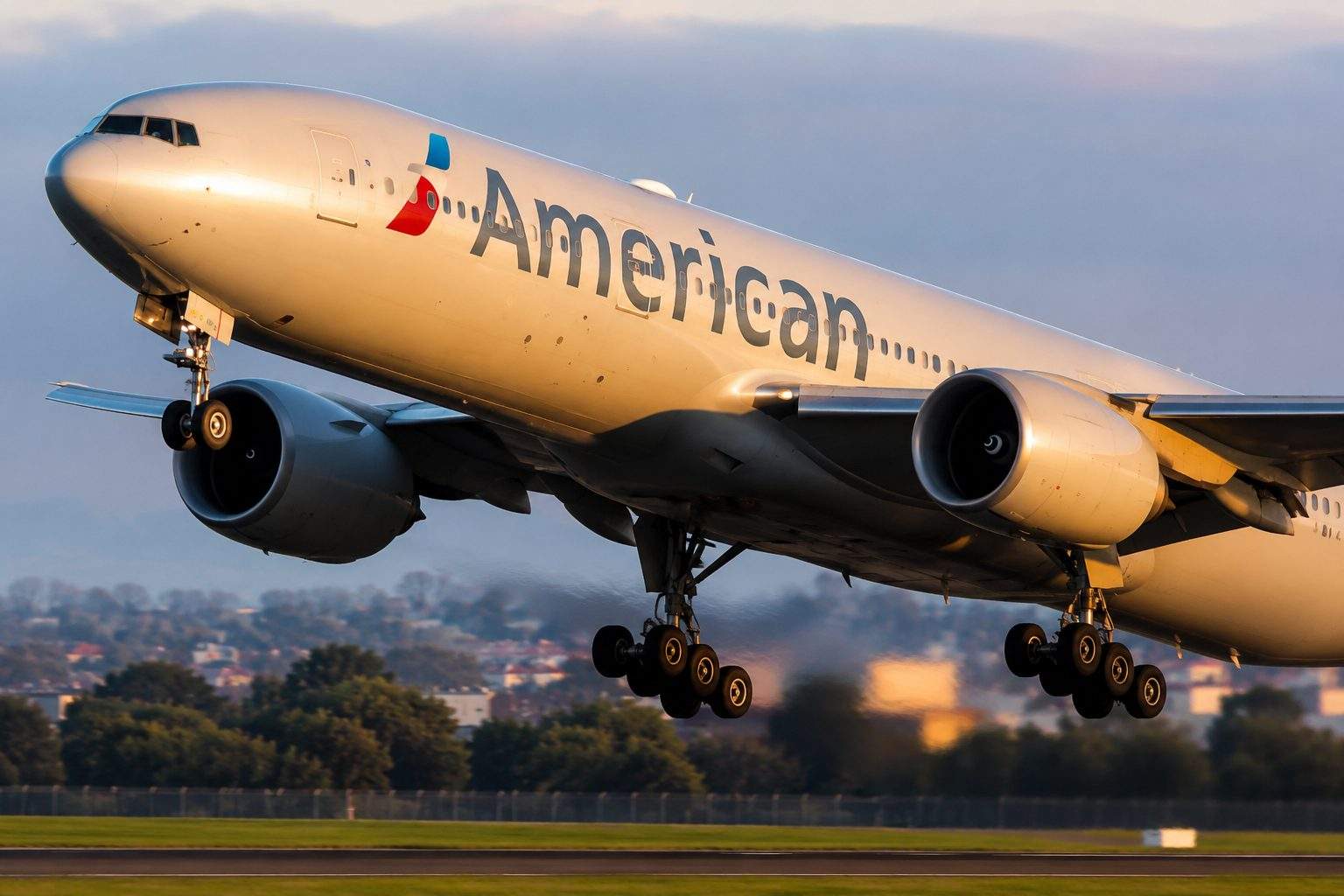
American Airlines Group Inc. NASDAQ:AAL faces a roughly $221 million second-quarter fuel swing if its average price matched the $4.19 a gallon reported on Wednesday by United Airlines Holdings Inc. NASDAQ:UAL, rather than the $4.00 American built into its April outlook.
The estimate applies that 19-cent gap to the 1.163 billion gallons American consumed in the second quarter of 2025. It excludes fare recovery, income-tax effects and any change in fuel burn, making it a sensitivity test rather than an earnings forecast. Even so, the amount is large for a quarter American guided to adjusted earnings between a 20-cent loss and a 20-cent profit.
That matters now because American reports second-quarter results on July 23. United’s results set a hard comparison: revenue rose 16%, unit revenue gained 12.1%, and the carrier recovered about half of a $2.3 billion year-on-year increase in fuel expense. It still posted adjusted earnings of $1.99 a share. CEO Scott Kirby said United had acted “quickly and decisively” to adjust its schedules after oil prices spiked. PR Newswire
The operating comparison shows where American’s cushion sits. Unit revenue means revenue per seat-mile, a simple gauge of pricing power.
| Second-quarter measure | American guidance | United actual |
|---|---|---|
| Revenue growth | 13.5% to 16.5% | 16.0% |
| Capacity growth | 4.0% to 6.0% | 3.5% |
| Unit-revenue growth | 7.1% to 12.0%, implied | 12.1% |
| Fuel price per gallon | About $4.00, assumed | $4.19 |
| Fuel-cost recovery | Partial recapture assumed | About 50% of increase |
American’s figures are April guidance, while United’s are reported results. The implied unit-revenue range is calculated from American’s revenue and capacity bands.
At the midpoints, American’s implied unit-revenue gain is 9.5%, about 2.6 percentage points below United’s result. Differences in networks and fuel purchasing mean that comparison does not prove American missed its range. It does suggest the carrier may need revenue near the top of its forecast, or tighter costs elsewhere, to absorb a peer-level fuel bill.
American added a finance hand on Wednesday, electing John W. Dietrich, former chief financial officer of FedEx Corp. NYSE:FDX, to its audit and finance committees. Chairman Greg Smith cited Dietrich’s experience in “financial discipline” and “risk management.” The appointment will not change second-quarter results, but it lands as fuel and debt shape the investor case. American Airlines Newsroom
The balance-sheet comparison is less forgiving. Company definitions of debt are not identical, so the ratios are directional.
| Metric | American, March 31 | United, June 30 |
|---|---|---|
| Debt and related obligations | $34.7 billion | $26.5 billion |
| Available liquidity | $10.8 billion | $19.6 billion |
| Debt divided by liquidity | 3.2 times | 1.4 times |
American’s ratio is more than twice United’s, based on the disclosed figures. American has cut total debt below $35 billion for the first time since mid-2015, but delayed fare recovery would still consume more of its financial cushion. United raised $3.7 billion of new liquidity during the quarter and prepaid about $1 billion of higher-cost debt.
But the stress test could overstate the hit. American’s actual purchase price may differ from United’s, and the Argus U.S. Jet Fuel Index stood at $3.53 a gallon on July 15, below American’s April assumption. American also entered the quarter with managed corporate revenue up 13% and co-branded credit-card spending up 9%. The risk on the other side is renewed oil volatility: United said the rise in fuel prices since early July had added $575 million to its expected third-quarter costs.
CEO Robert Isom said in April that American still expected “modest profitability for the year” under the forward fuel curve then in place. The airline will update investors at 7:30 a.m. Central Time on July 23. Its shares were indicated at $15.63, down 0.4%, before regular U.S. trading. The key number is no longer revenue growth alone, but how much of the fuel bill reached customers through fares. American Airlines
Related articles: NASDAQ:UAL





![Asia Stock Market Today 28/08/2026 [UPDATE: 00:51 SGT] [Salesforce Leads KASE Global Into Final Minutes After Asia’s Split Close]](https://ts2.tech/wp-content/uploads/2026/08/Asia-market-dashboard-2026-08-28-0051-480x384.jpg "Asia Stock Market Today 28/08/2026 [UPDATE: 00:51 SGT] [Salesforce Leads KASE Global Into Final Minutes After Asia’s Split Close]")