
New York, June 13, 2026, 10:03 (EDT).
- Amkor Technology finished Friday at $82.78, climbing $6.62, or 8.7%. Trading volume topped 7.5 million shares.
- The rally came as investors turned their attention back to advanced chip packaging for AI and high-performance computing.
- Amkor’s second-quarter earnings and outlook for advanced-packaging demand and Arizona expansion costs are the next big catalysts to watch.
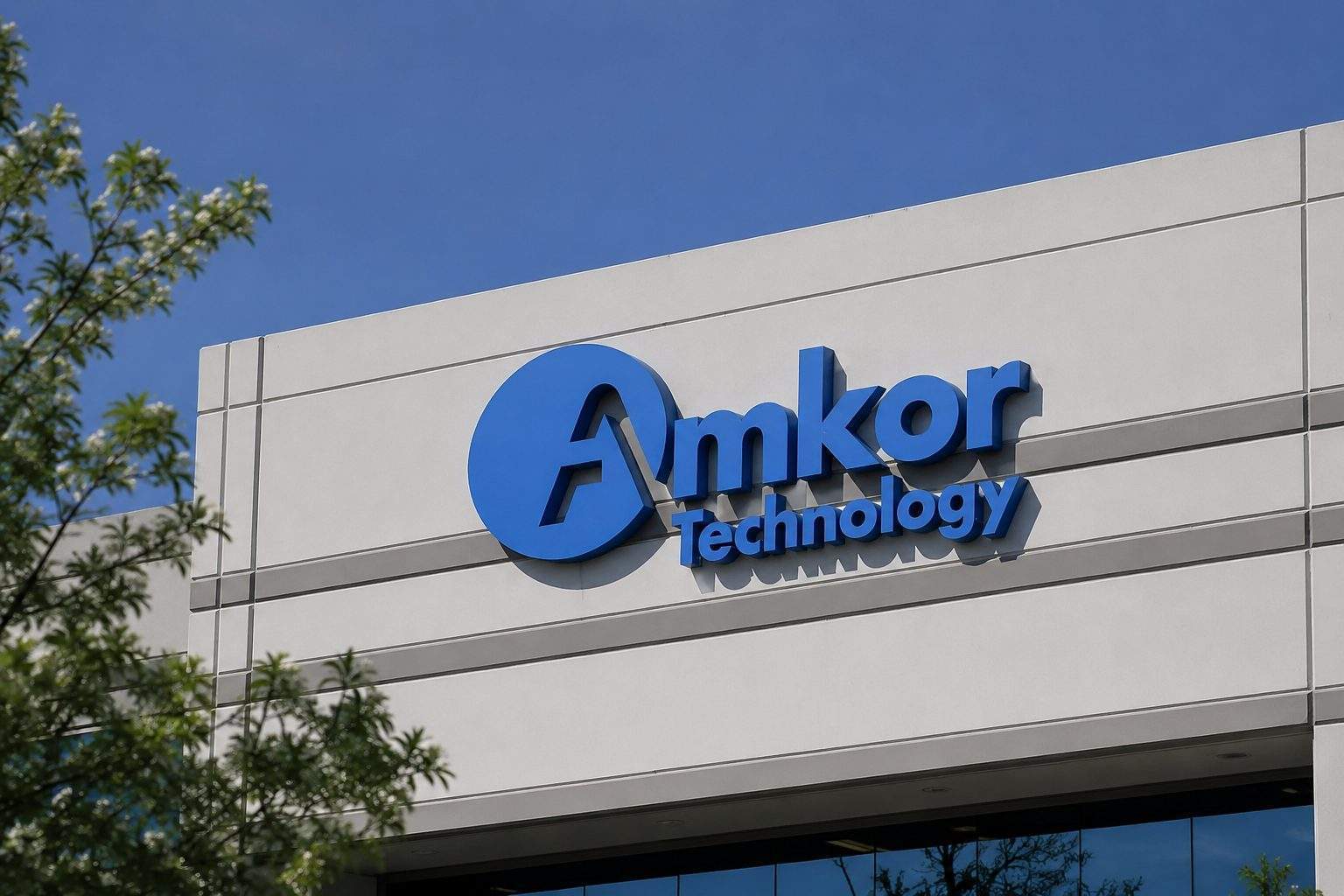
Amkor Technology, Inc. surged Friday as traders kept bidding up AI-linked chip supply stocks. AMKR ended the day at $82.78, a gain of $6.62, after hitting $84.20 earlier. Market cap stands near $20.7 billion. The P/E sits at about 47.6.
Amkor (AMKR) jumped 8.25% on June 12, bucking a 0.30% drop in the wider Technology Equipment sector, according to TradingKey. The action stood out, with the stock trading more like an AI packaging play than a standard OSAT name. Drivers included strong Q1 numbers, demand for advanced packaging tied to AI and high-performance computing, and the company’s expansion in the U.S., TradingKey said.
Amkor posted first-quarter net sales of $1.685 billion, a record and up 27% on the year. Net income attributable to Amkor came in at $83 million, with diluted EPS at $0.33. CEO Kevin Engel said, “record first quarter revenue driven by broad-based end market demand.” For the second quarter, Amkor is guiding for revenue between $1.75 billion and $1.85 billion, gross margin in a 14.5%-15.5% range, and diluted EPS of $0.42-$0.52. Amkor Technology
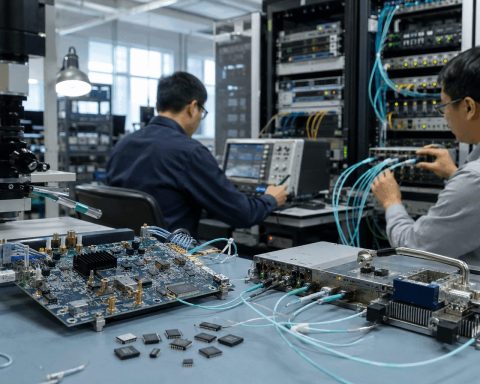
Advanced packaging is key to the bull case for the stock, with the technology enabling multiple chips or chiplets in one package for better performance, power efficiency, and bandwidth. Zacks wrote in a new note on TradingView that Amkor’s High-Density Fan-Out platform, which targets dense chip-to-chip connections, sits at the center of its compute growth plan. A new CPU program is starting to ramp in the second quarter and should bring more revenue from the third quarter. The note also said Amkor now has more than five customers in different qualification stages for HDFO and 2.5D packaging.
Amkor’s Arizona buildout has caught investors’ attention. Back in May, the company said it added 67 acres by its existing 104-acre Peoria campus. It expects to run the first high-volume advanced-packaging OSAT plant in the US there, targeting AI, high-performance computing, automotive and communications. Reuters said Amkor is working with AMD on advanced packaging at the site. Amkor has already named Nvidia and Apple as partners for Arizona. CEO Engel told Reuters, “We’re moving up the value chain.” Amkor Technology Reuters
Valuation and execution risk are at the center of the bear case. Zacks said supply constraints for advanced silicon and memory have already pushed out $50 million to $100 million in revenue for Amkor, and startup costs in Arizona could hit operating margins in 2027 ahead of any sizable production revenue. Zacks also gives Amkor a Rank #3, or Hold. The note flags rivals Intel and FormFactor in the high-density interconnect space.
The second-quarter earnings release is likely the next big event for investors. Key will be if management lifts, sticks with, or lowers its third-quarter revenue outlook as new CPU and advanced-packaging ramps unfold. Investors will also be looking for signs of an update on full-year 2026 capital spending plans. Amkor has guided for about $2.5 billion to $3.0 billion. Big spending helps future growth but could cut into free cash flow, or the cash left after operations and capital investments.
At Friday’s price, Amkor only looks appealing if you expect it to deliver on its AI-packaging and U.S. manufacturing plans. Based on valuation numbers, the stock is more risky than outright cheap. StockAnalysis, summing up analyst calls from S&P Global, put out a Buy consensus with a $75.50 average one-year target price — still below AMKR’s latest price. Company filings related to Investor Day set out bigger targets for 2030: $11 billion or more in revenue, at least 22% gross margin, and EPS above $5. The real debate for AMKR now sits between those long-term goals and the shorter-term valuation risk.
Related articles: Earnings Reports




![Australia Stock Market Today 28/08/2026 [UPDATE: 11:35 AEST] [Xero Surges 8% as PEXA Crashes on FY27 Outlook]](https://ts2.tech/wp-content/uploads/2026/08/AU-market-dashboard-2026-08-28-1133-480x384.jpg "Australia Stock Market Today 28/08/2026 [UPDATE: 11:35 AEST] [Xero Surges 8% as PEXA Crashes on FY27 Outlook]")