
ROME, June 19, 2026, 10:19 (CEST)
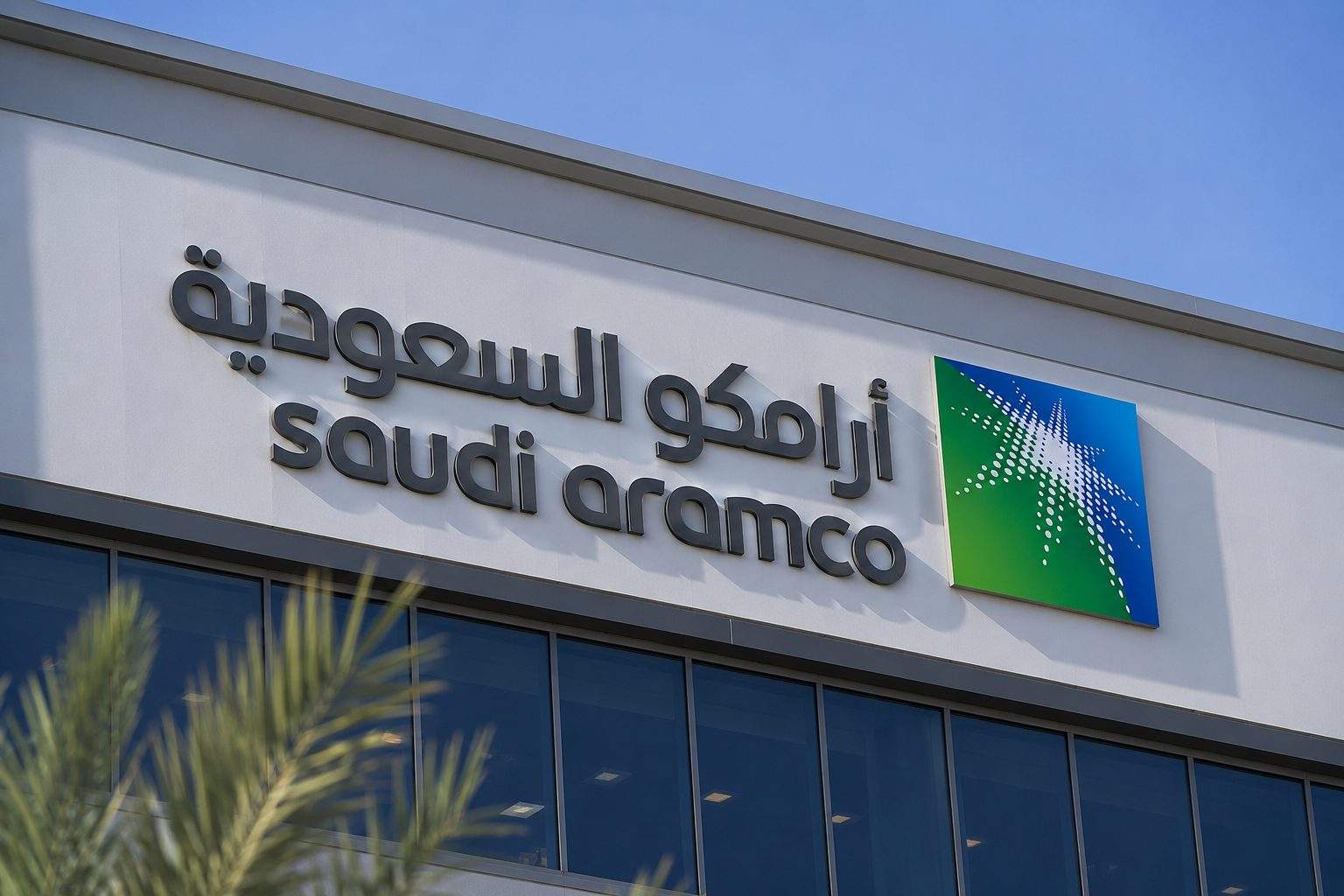
- Aramco is looking at bigger oil-storage sites around the globe after the Iran war shook up shipping routes in the Strait of Hormuz, Chairman Yasir Al-Rumayyan said.
- Al-Rumayyan said PIF will keep putting money abroad, though the fund’s new plan is set to lean harder toward Saudi projects and building value at home.
- Europe is tightening scrutiny of state-backed investors, a new headache for Saudi capital, as tension around regulatory checks rises.
Saudi Aramco is looking at growing its oil-storage network worldwide after supplies were hit in the Strait of Hormuz, where the Iran war interrupted a key transit route for Gulf oil to global buyers.
The move is important as the conflict has pushed a long-watched shipping risk into a real problem for producers, refiners and governments. International Energy Agency chief Fatih Birol said the strait should reopen “without conditions” and called out that “the vase is broken”—energy buyers now realize the route may be closed again. Reuters
Al-Rumayyan, the governor of Saudi Arabia’s Public Investment Fund, told the FII PRIORITY Europe summit in Rome that Aramco has storage in Asia, including Korea and Japan, and is “thinking seriously” about building bigger storage worldwide. The FII Institute said the summit in Rome runs from June 17 to June 19 and looks at capital, strategic autonomy and Europe’s competitiveness. Reuters
Storage isn’t a substitute for production, but it could help Aramco keep crude flowing to buyers if tankers, ports or insurance get jammed up. The IEA estimates about 20 million barrels a day passed through Hormuz in 2025. Saudi and UAE alternative routes don’t have much extra room.
Market setup remains tricky. Kpler analyst Muyu Xu said reopening Hormuz might unleash 93 million barrels of non-Iranian oil stuck in the Gulf. Reuters pointed out weaker Asian refinery demand could make buyers cautious. More storage could help Aramco keep supply steady, but a rush of released barrels risks pushing down crude prices in the region.
Al-Rumayyan pushed EU regulators at the Rome forum. He said PIF put 98 billion euros into Europe and Britain from 2017 through 2025, and Aramco invested about 80 billion euros with suppliers in Europe. “Regulatory challenges are really hurting investors,” he told the forum, citing Aramco, SABIC and PIF as examples. Reuters
The Financial Times said the remarks showed worry about the EU’s Foreign Subsidies Regulation, which gives Brussels the right to check if government-backed support from abroad distorts competition in deals, tenders, or other business in the bloc. The European Commission says the rule began to apply in July 2023. The goal is to keep the market fair while trade and investment stay open.
The FT said the European Commission used the same tool to launch a deep review of ADNOC’s takeover of Covestro. The Covestro deal was cleared in the end. Gulf investors are keeping an eye on that case, since it signals Europe will look closely at state-backed money even if deals go through.
PIF board signs off on 2026-2030 strategy, focus shifts to value and efficiencyIt’s not just a global pullback for PIF. The fund’s board cleared its 2026-2030 strategy in April, moving away from breakneck growth. Now it’s talking up value creation, investment efficiency and three buckets: vision projects, strategic assets and financial investments. According to PIF, the financial portfolio will still run global investments and look to build international partnerships.
PIF Governor Al-Rumayyan said the fund isn’t planning to stop investing abroad. “I can tell you that we’re not going to stop,” he said. He said overseas investments might make up a smaller share of PIF’s portfolio in the future as the fund gets bigger, but the dollar amount invested outside the country will still grow. Saudi Gazette
The storage plan has risks. If Hormuz traffic gets back to normal and crude starts piling up, the new storage ends up as just another insurance expense, not an edge for now. On the investment front, it’s not just European regulation slowing things down; deal scrutiny, geopolitical threats, and the cash Saudi Arabia wants for its Vision 2030 projects all take a bite out of available capital.
Aramco shares finished at 26.52 riyals, off 0.3%, Saudi Exchange data show. The Saudi market runs from Sunday to Thursday, meaning the stock was closed in Riyadh while Rome trading was in session Friday.
Saudi Arabia is making it clear that just having spare capacity doesn’t cut it anymore. Aramco is grouping pipelines, storage and customer access together as one system for supply security. At the same time, PIF is signaling to Europe that Saudi capital is still on offer, but not at any cost regulators want.
Related articles: Oil Industry