Marcin Frąckiewicz

CEO of TS2 Space and founder of TS2.tech. Expert in satellites, telecommunications, and emerging technologies, covering trends in space, AI, and connectivity.

Inside the Billionaire Space Tourist Boom: History, Players, Prices, and the Future of Commercial Spaceflight

Inside the Billionaire Space Tourist Boom: History, Players, Prices, and the Future of Commercial Spaceflight

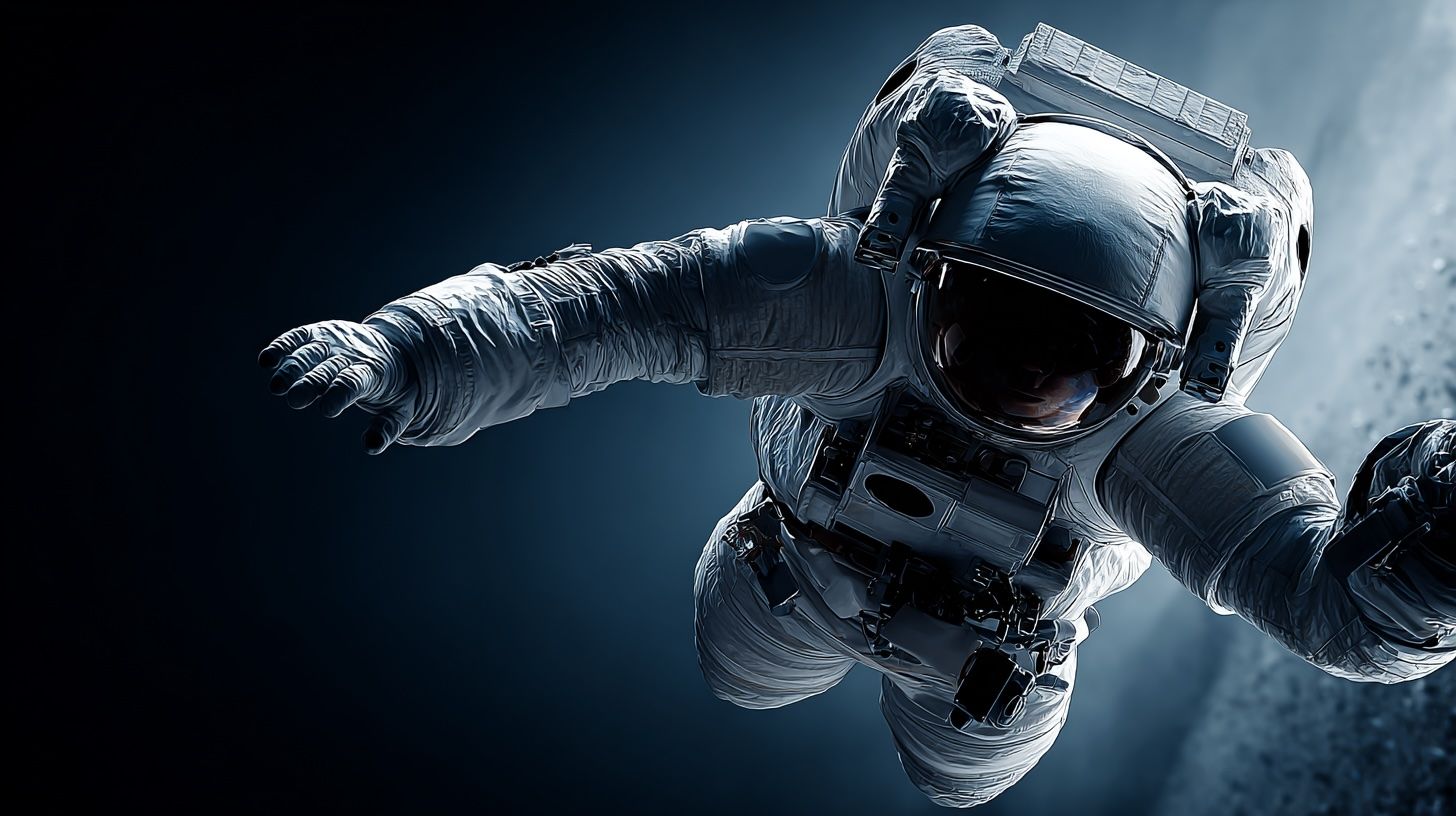
April 2001: Dennis Tito became the world’s first space tourist by paying about $20 million for a seat on a Russian Soyuz and spending seven days aboard the ISS. In 2004, Mojave Aerospace Ventures won the Ansari X Prize by launching SpaceShipOne, the first privately built crewed spacecraft, on back-to-back suborbital flights. The Commercial Space Launch Amendments Act of 2004 established an FAA licensing framework for private space launches and created a learning period with a moratorium on new safety regulations until 2012 (extended to 2025). Virgin Galactic’s SpaceShipTwo suffered a fatal crash in 2014 during a test flight. July

2025 Satellite Internet Showdown: Starlink vs Viasat vs HughesNet vs OneWeb & More

2025 Satellite Internet Showdown: Starlink vs Viasat vs HughesNet vs OneWeb & More

Starlink (SpaceX) is a LEO constellation (~4,500 satellites) delivering residential speeds ~100–250 Mbps down / 10–20 Mbps up, business up to ~350–400 Mbps, with a median latency ~45 ms in Q1 2025 and no hard data caps, employing a Fair Use Policy that deprioritizes after 1 TB. HughesNet Jupiter-3 (GEO) upgrade in 2024–25 offers 50–100 Mbps down (about 3 Mbps up), with latency ~600–700 ms, Fusion hybrid areas lowering latency, and a 24-month contract with equipment lease around $14.99/month or $299–$449 purchase, dish ~0.74 m, Wi‑Fi 6 modem, and 100–200 GB Priority Data per month plus 2 AM–8 AM unmetered
Beyond Lithium-Ion: How Solid-State, Lithium-Sulfur, Sodium-Ion & Graphene Batteries Will Revolutionize EVs, Gadgets and Grid Storage

Beyond Lithium-Ion: How Solid-State, Lithium-Sulfur, Sodium-Ion & Graphene Batteries Will Revolutionize EVs, Gadgets and Grid Storage

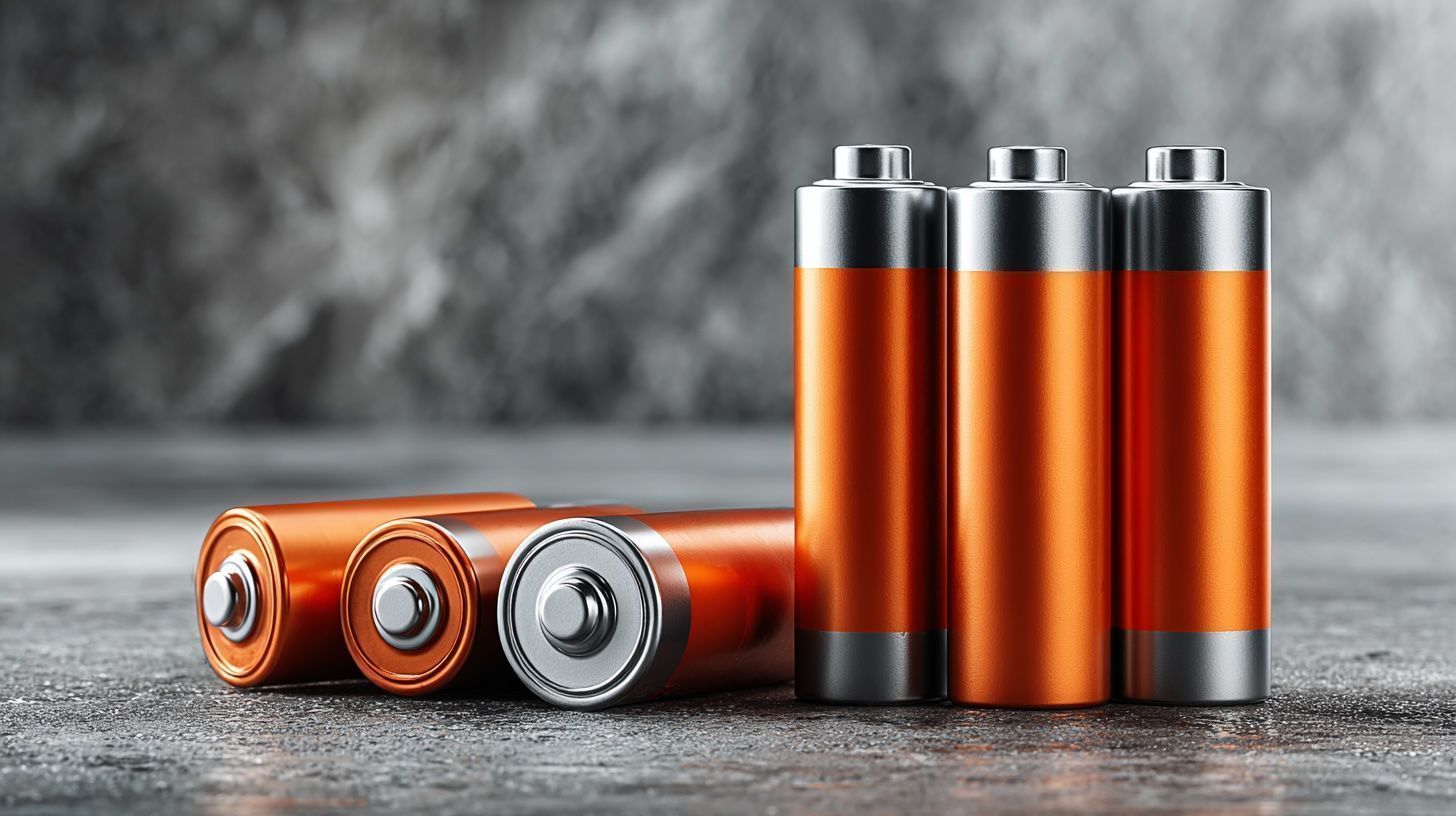
Solid-state batteries use a solid electrolyte and lithium-metal anodes, offering 50–100% higher energy density than today’s Li‑ion and 1,000+ cycles with about 95% capacity retention, with Toyota targeting 750 miles per charge and 10-minute charging by 2027–2028. Lithium-sulfur batteries have a theoretical energy density above 500 Wh/kg, and a recent all-solid-state Li‑S cell demonstrated around 25,000 cycles with 80% capacity retention, though energy density still needs improvement. Sodium-ion batteries today run around 160–175 Wh/kg, CATL claims 175 Wh/kg with over 10,000 cycles and operation from −40°C to +70°C, and Chery launched the first Na‑ion EV in 2023 with mass production
16 June 2025
Drone Domination: The 20 Most Popular Drones in the World Right Now

Drone Domination: The 20 Most Popular Drones in the World Right Now

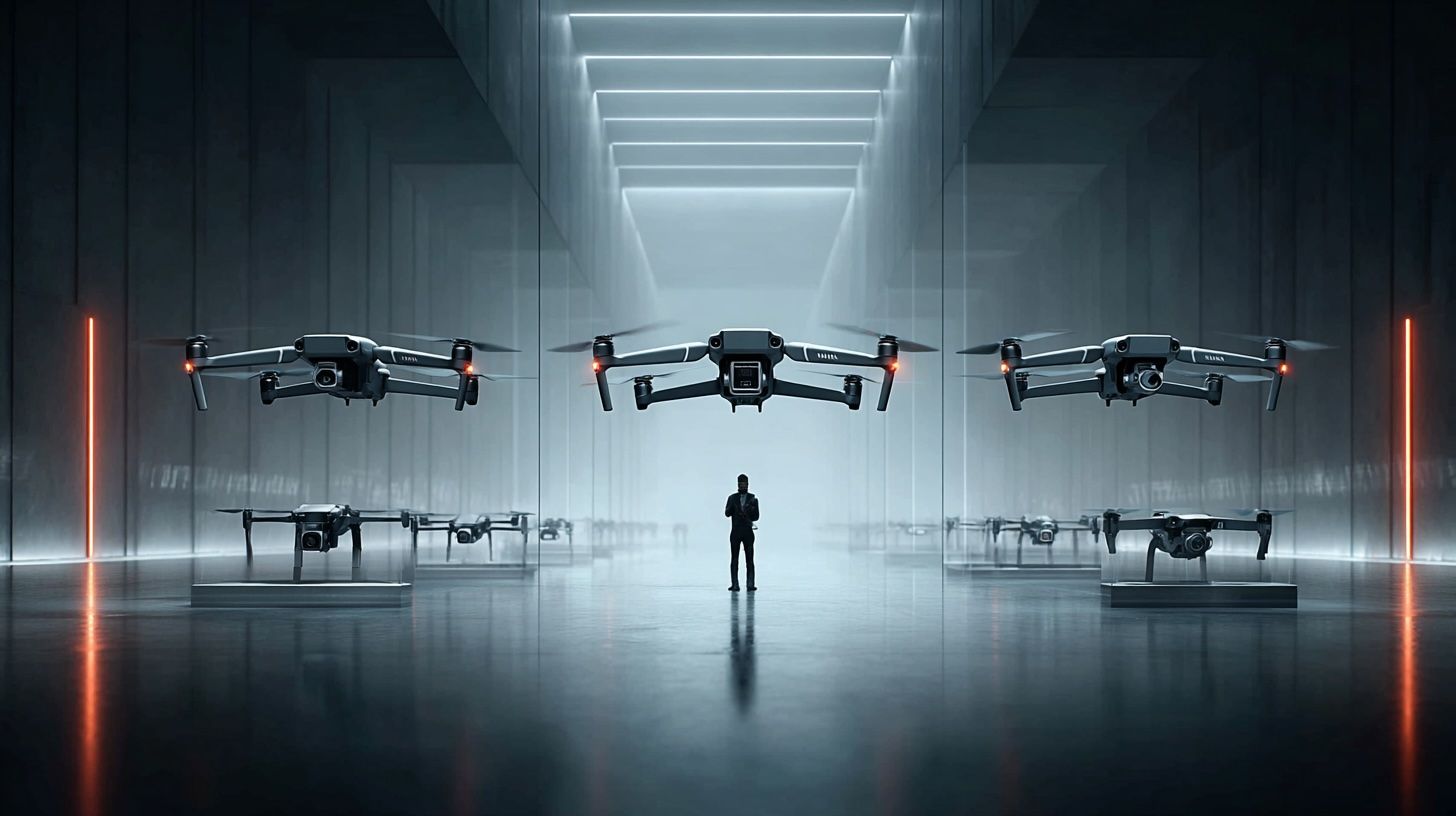
DJI Mini 4 Pro weighs 249 g, uses a 1/1.3-inch sensor with 48 MP photos and 4K/60fps video, offers about 34 minutes of flight time, and a video transmission range of 8–12 km with omnidirectional obstacle sensing. DJI Air 3 uses a dual-camera setup with a 50 MP wide (24 mm equivalent) and a 48 MP tele (70 mm equivalent) on 1/1.3-inch sensors, records 4K/120fps HDR, flies about 45 minutes, weighs around 720 g, and delivers roughly 10–12 km transmission range. DJI Mavic 4 Pro features a triple-camera system (100 MP 4/3″ main with adjustable aperture, 50 MP tele, 48
Fiber vs 5G vs Starlink: The Shocking Truth About Internet Speeds, Latency and Costs Worldwide

Fiber vs 5G vs Starlink: The Shocking Truth About Internet Speeds, Latency and Costs Worldwide

Fiber-optic broadband delivers 100–1000+ Mbps download and upload with latency around 5–20 ms, but availability is limited to about 25–40% of U.S. households and roughly 70% of OECD regions. Cable broadband offers 25–500 Mbps down and 5–50 Mbps up with 15–30 ms latency, is widespread in cities, and can reach up to 1 Gbps downstream with DOCSIS 3.1, while DOCSIS 4.0 targets up to 10 Gbps down. DSL provides 1–35 Mbps down and 1–10 Mbps up with latency around 20–50 ms, is nearly universal where phone lines exist, and remains the lowest-cost broadband option. Fixed Wireless Access typically delivers 10–100
Sky Wars: The Rising Drone Threat and High-Tech Counter-Drone Warfare

Sky Wars: The Rising Drone Threat and High-Tech Counter-Drone Warfare

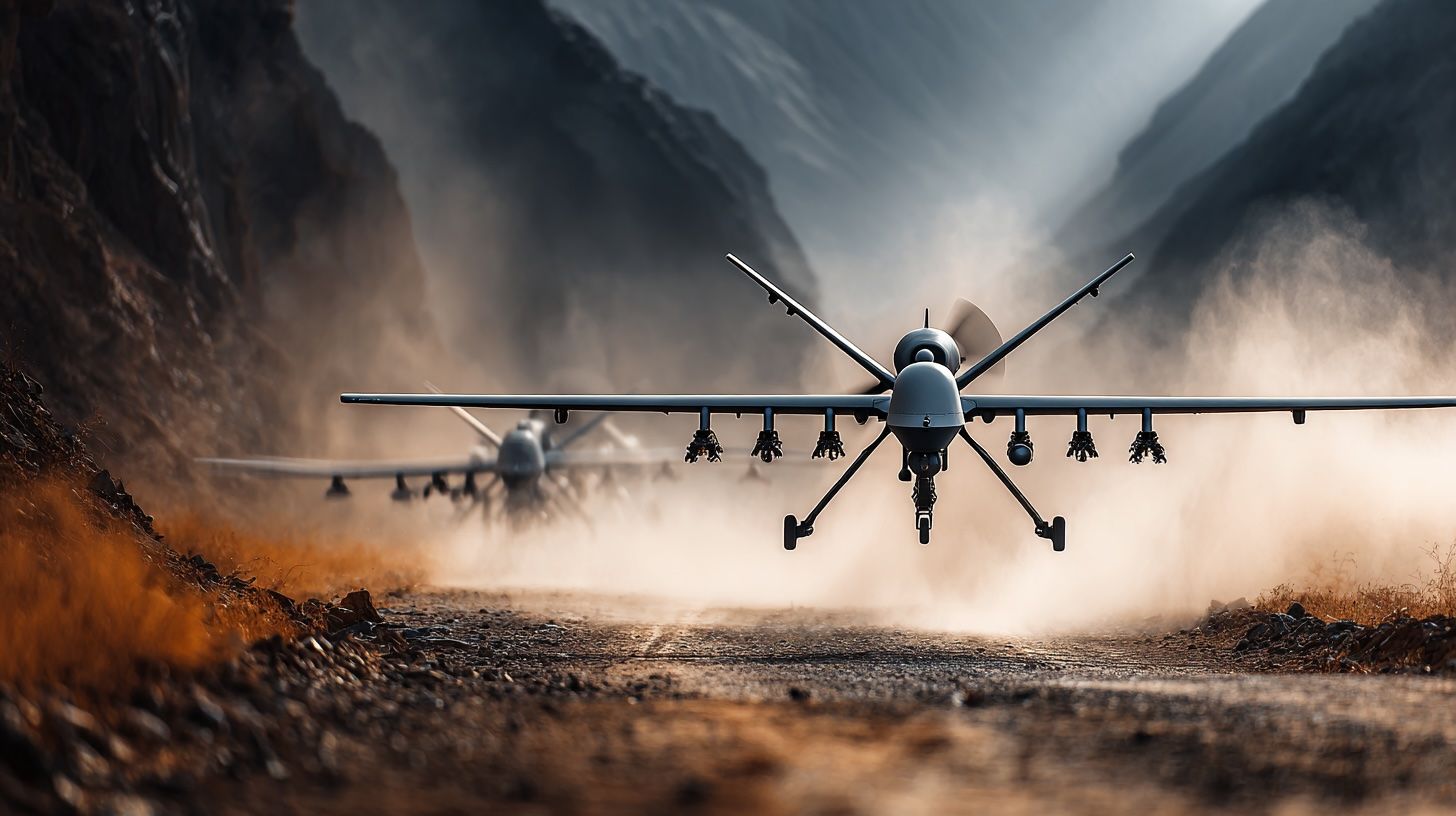
From 2006 to 2023, violent non-state actors carried out 1,122 drone attacks, with a peak of 265 in 2023. The 2018 Gatwick airport incident highlighted the public-safety risks posed by off-the-shelf quadcopters. The Ukraine war has been described as the first “drone war,” with both sides deploying swarms of small drones for surveillance and strikes, and in 2023 the U.S. supplied Ukraine with VAMPIRE kits (vehicle-mounted laser-guided rockets) for drone defense. Counter-drone systems use a layered approach—radar, RF, EO/IR, and acoustic sensors—with Fortem DroneHunter using compact R20 and R30 radars to spot small UAS out to several kilometers. RF detection
AstroForge Brokkr‑2 (Odin) Mission Overview and Objectives

AstroForge Brokkr‑2 (Odin) Mission Overview and Objectives

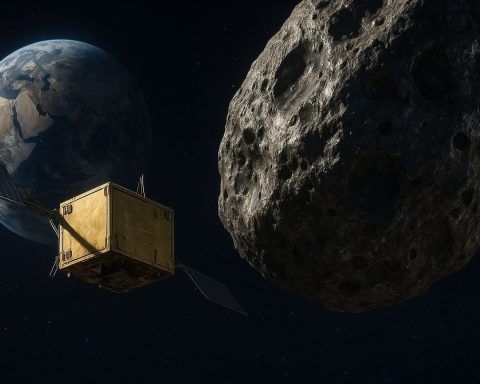
Odin (Brokkr-2) launched on Feb 26, 2025 aboard SpaceX Falcon 9 as part of Intuitive Machines’ IM-2 lunar mission. Its target was near-Earth asteroid 2022 OB5, about 20–30 meters in size (up to ~100 meters diameter) and suspected to be M-type metal-rich, with a flyby planned roughly 300 days after launch to confirm its metallic content. Odin is a ~120 kg fully fueled deep-space probe built on Orbital Astronautics’ ORB-50 platform, with about 1×1×0.7 m dimensions and an approximate development cost of US$3.5 million. The spacecraft uses electric propulsion with xenon thrusters supplied by Dawn Aerospace, enabling a cruise of
ISRO’s Lunar Success (Chandrayaan-3) and Momentum for Mars Exploration

ISRO’s Lunar Success (Chandrayaan-3) and Momentum for Mars Exploration

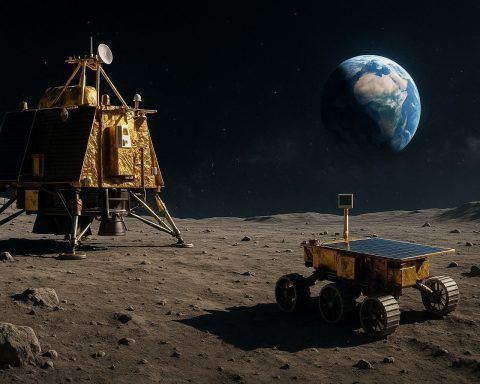
Chandrayaan-3, launched July 2023, achieved a soft landing near the Moon’s south pole on August 23, 2023, with lander Vikram and six-wheeled rover Pragyan. The mission conducted 14 days of surface operations and returned at least 1100 images and data, including ChaSTE soil temperature measurements to 10 cm depth. Chandrayaan-3 marked India’s first soft landing in the lunar south polar region and made India the fourth country to soft-land on the Moon. The mission cost was about $75 million. India’s Mars Orbiter Mission (MOM / Mangalyaan-1) launched on November 5, 2013 atop a PSLV-XL, with a dry mass of about
16 June 2025
The Economic Impacts of Blue Origin’s Spaceflights

The Economic Impacts of Blue Origin’s Spaceflights

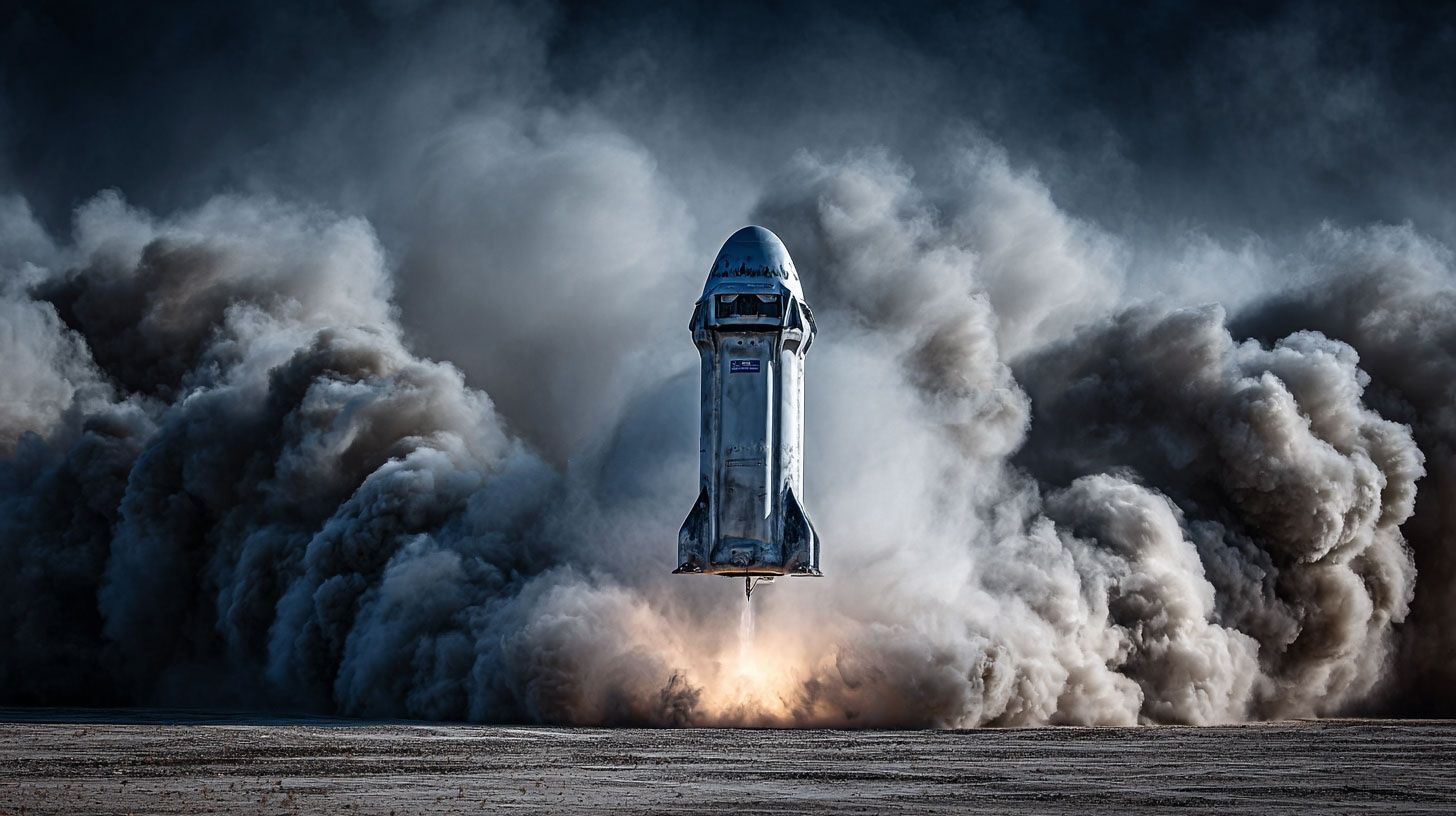
As of mid-2025, New Shepard had completed about 32 flights (12 crewed) and carried over 60 passengers. Blue Origin’s New Glenn heavy orbital rocket achieved its first successful orbital launch in January 2025. One New Shepard seat was effectively selling for about $1.3 million, well above Virgin Galactic’s roughly $450,000 per seat. NASA awarded Blue Origin a $3.4 billion fixed-price contract in 2023 to develop a Human Landing System for Artemis V. Blue Origin has secured about $8 billion in Space Force National Security Space Launch contracts, including roughly $5.6B in Lane 1 and $2.4B in Lane 2. In early
16 June 2025
F-35 Lightnig II Uncovered: Inside the $1 Trillion Stealth Fighter Dominating the Skies

F-35 Lightnig II Uncovered: Inside the $1 Trillion Stealth Fighter Dominating the Skies

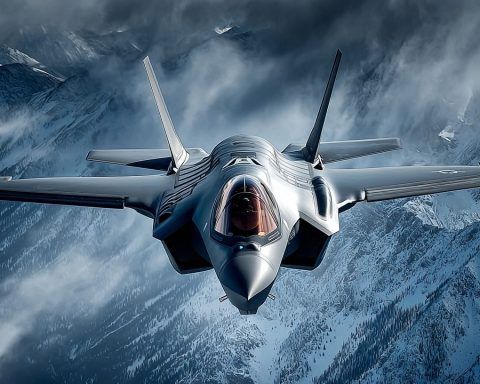
The F-35 is a family of three variants: F-35A conventional takeoff and landing (CTOL), F-35B short takeoff/vertical landing (STOVL), and F-35C carrier-capable version. The aircraft first flew in 2006, with IOC achieved by the F-35B in July 2015, the F-35A in August 2016, and the F-35C in early 2019. As of mid-2025, more than 1,170 F-35s have been delivered worldwide, with the U.S. planning to buy 2,456 and partners adding 900-plus for a fleet exceeding 3,000 by about 2035. Unit flyaway costs for Lot 15–17 averaged $82.5 million for the F-35A, $109 million for the F-35B, and $102 million for
15 June 2025
Top 10 Fighter Jets Dominating the Skies in 2025

Top 10 Fighter Jets Dominating the Skies in 2025

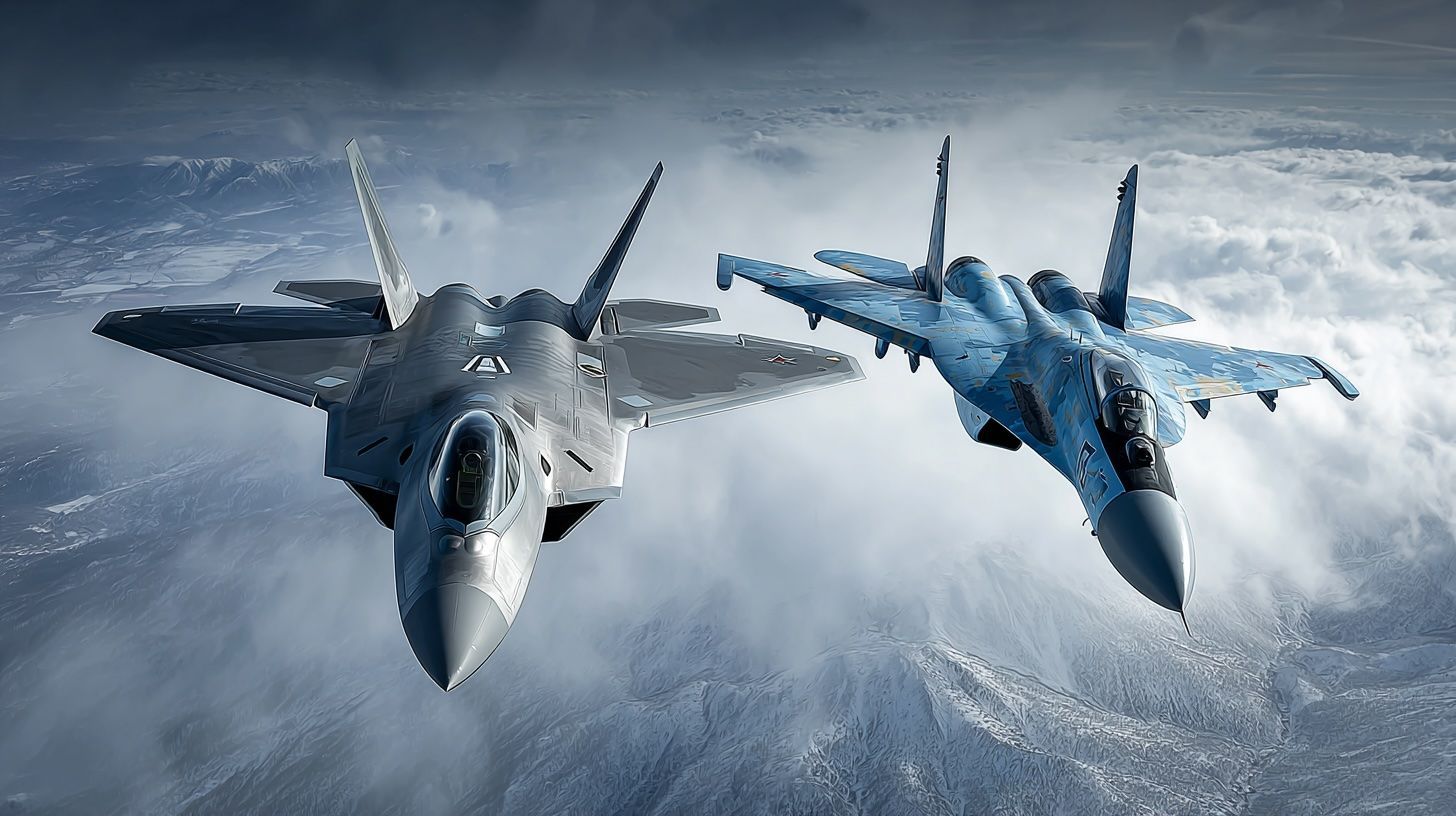
F-35 Lightning II, a 5th-gen stealth fighter, first flew in 2006, entered service in the mid-2010s, and by 2025 had over 1,000 delivered to 17 nations. F-22 Raptor, a 5th-gen air-superiority fighter, first flew in 1997 and entered service in 2005, with a top speed around Mach 2.25 and only 195 built. Chengdu J-20 Mighty Dragon, a 5th-gen stealth fighter, first flew in 2011 and entered PLAAF service in 2017, with a ferry range near 3,000 nmi and production over 200 aircraft. Sukhoi Su-57 Felon, a 5th-gen fighter, first flew in 2010 and entered service in 2020, with thrust-vectoring AL-41F1S
15 June 2025
How AI is Reshaping the Future of Warfare – What You Need to Know Now

How AI is Reshaping the Future of Warfare – What You Need to Know Now

The 2017 U.S. Department of Defense project Maven was launched to apply AI-based computer vision to analyze drone surveillance footage in the Middle East, with fielding by year’s end. In 2019, China released its National Defense White Paper announcing the goal of “intelligentized warfare” and a plan to become the world AI leader by 2030. The United States established the Joint Artificial Intelligence Center (JAIC) in 2018 to coordinate AI across the DoD, with Joint All-Domain Command and Control (JADC2) linking sensors to shooters in real time. In 2020, DARPA’s AlphaDogfight Trials saw an AI agent defeat a human F-16
15 June 2025
1 576 577 578 579 580 586

Stock Market Today

Wesfarmers share price: what to watch on ASX next week as results loom

Wesfarmers share price: what to watch on ASX next week as results loom

7 February 2026
Wesfarmers shares closed down 1.33% at A$85.04 on Friday, following a sharp drop in the S&P/ASX 200, which fell 2% for its steepest one-day loss in 10 months. Investors are watching for Australia’s household spending data next week and Wesfarmers’ half-year results due Feb. 19.
Go toTop