
London, July 13, 2026, 10:10 BST
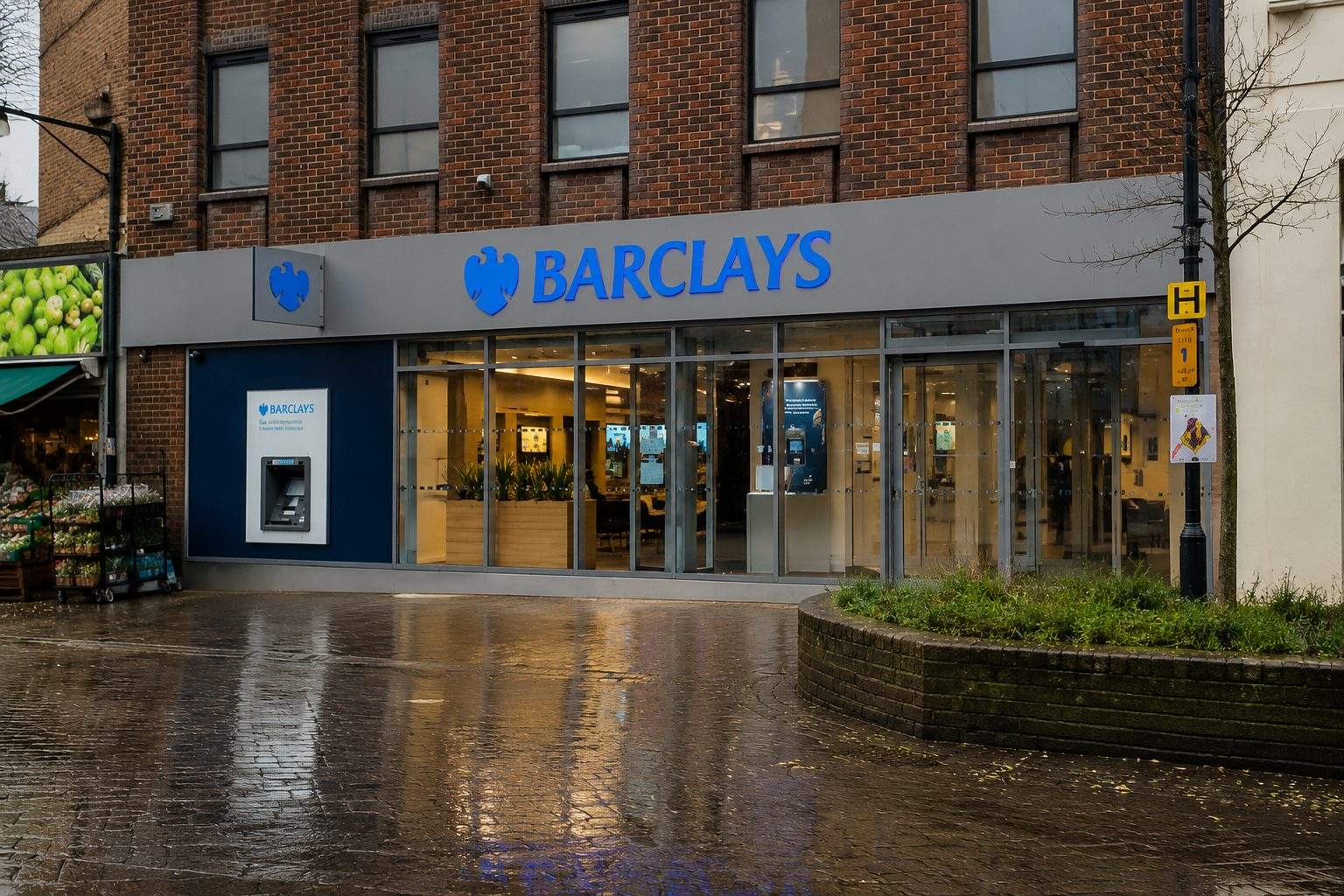
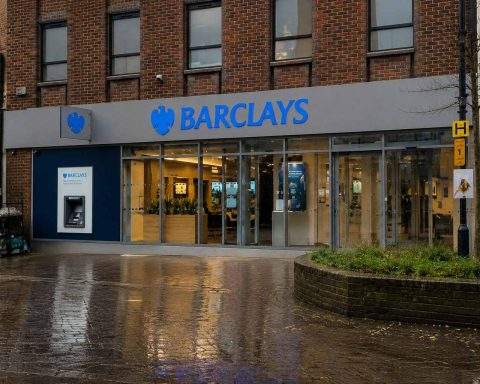
Barclays PLC LON:BARC would need about £262 million more to buy back the same number of shares at Monday’s price than it paid in its two buyback programs earlier this year, filings show. The bank bought and cancelled 344.9 million shares for a total of around £1.5 billion at an average price of 434.9 pence. At 510.8p, buying that amount would now cost £1.762 billion. This is a hypothetical difference—Barclays can’t book it as a gain.
This is key now with Barclays set to report first-half results on July 28. The bank aims to give back more than £15 billion to shareholders from 2026 through 2028. Part of that will come from buybacks—where Barclays buys its own shares and cancels them. At Monday’s price, £1.5 billion would buy about 293.7 million shares, which is 51.3 million fewer than what the last two completed buyback programs bought.
Barclays shares slipped, paring some of Friday’s 1.1% gain to 512.6p. As of 10:00 BST, the FTSE 100 traded up 0.20% at 10,518.24, putting Barclays behind the main index. The stock was still around 7.8% under its 52-week high.
The execution record points to where Barclays got the edge. The bank paid an average of 510.8636p on the last buying day—basically in line with Monday’s price—so nearly all the difference was created in the earlier stages of the buybacks.
| Programme completed | Approximate spend | Shares cancelled | Average price paid |
|---|---|---|---|
| May 8, 2026 | £1.0 billion | 234.9 million | 425.8014p |
| June 25, 2026 | £500 million | 110.1 million | 454.2957p |
| Total | £1.5 billion | 344.9 million | 434.8939p |
Barclays is at 510.8p, which puts the stock about 26% above its first-quarter tangible net asset value of 405p. That’s the bank’s accounting equity after stripping out goodwill and other intangibles, divided by shares. So, buying back shares at this price actually cuts tangible book per share, though the lower share count could still boost EPS if profits don’t fall. Barclays’ common equity tier 1 ratio was 14.1%, slipping to 13.9% if you figure in the £500 million buyback. That’s the high end of its 13%-14% range. Chief Executive C.S. Venkatakrishnan said in a statement the bank is “confident in delivering all our financial targets across a range of environments.” Investegate
Investors are split on Barclays compared to NatWest Group PLC LON:NWG and Lloyds Banking Group PLC LON:LLOY, mainly because Barclays has a large investment bank and a big U.S. credit-card unit. Investment-bank revenue topped £4 billion in the first quarter, but a charge for credit losses from one borrower took out some of that trading profit. Matt Britzman, senior equity analyst at Hargreaves Lansdown, said “the easier gains seen in recent years are now behind us” and said the bank needs to show it can keep up with U.S. rivals no matter the market. HL
The math could flip fast. If the stock drops, buybacks get cheaper, but that might come with a hit from slower trading, more U.S. card losses or another big loan going bad, which would shrink capital. Barclays’ £500 million repurchase sign-off for Q1 was short of the £614 million analysts wanted, and a £228 million provision tied to Market Financial Solutions showed how just one exposure can change the payout outlook.
July numbers will show less about Barclays’s ability to return capital and more about how it decides to go about it. A bigger dividend would keep the bank from buying stock at a premium to tangible book, while another buyback would cut the share count but cost about 17.5% more than the average price of the last two buybacks. The outcome will hinge on trading income, U.S. card credit losses and the capital ratio — those figures will set management’s options.

![Australia Stock Market Today 23/08/2026 [UPDATE: 08:38 AEST] [Healthcare Surge: Weekly Recap and Week Ahead]](https://ts2.tech/wp-content/uploads/2026/08/AU-market-dashboard-2026-08-23-0843-480x384.jpg "Australia Stock Market Today 23/08/2026 [UPDATE: 08:38 AEST] [Healthcare Surge: Weekly Recap and Week Ahead]")