
New York, June 13, 2026, 06:56 (ET)
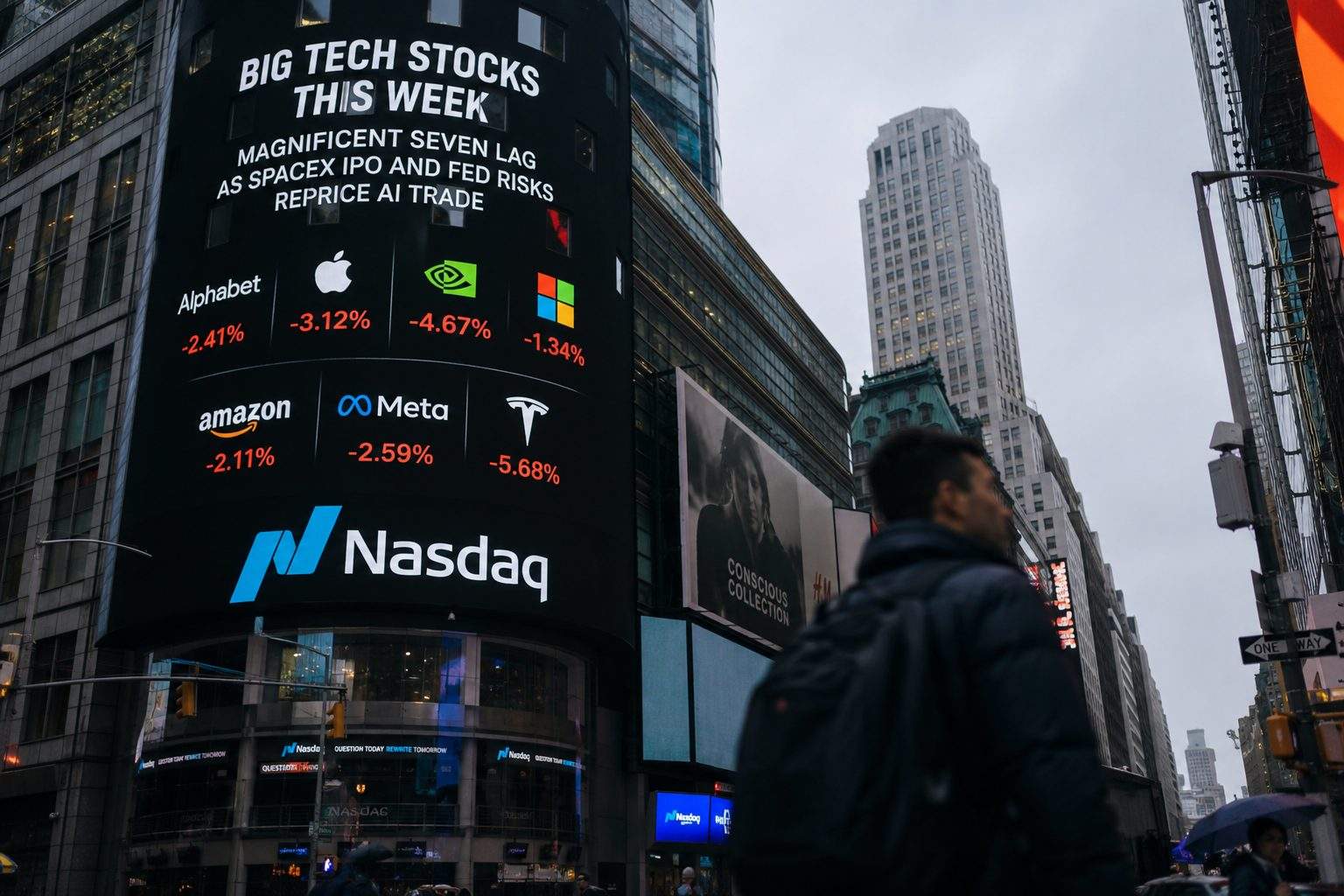
- Nasdaq ended the week higher. The Magnificent Seven basket trailed after hedge funds trimmed positions ahead of SpaceX’s debut.
- Nvidia, Microsoft, Amazon, Alphabet, Meta, Apple and Tesla saw sharp moves as traders reacted to AI spending, higher-rate worries and valuation risks.
- Next up is the Federal Reserve’s meeting on June 16–17, where markets will watch for new rate forecasts.
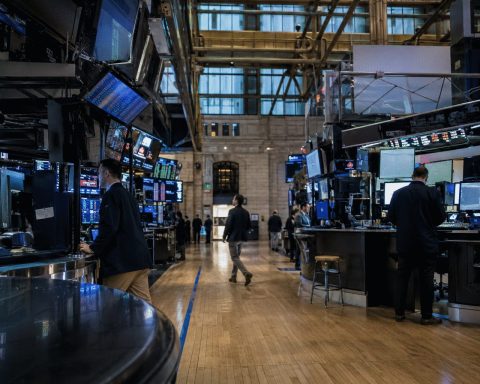
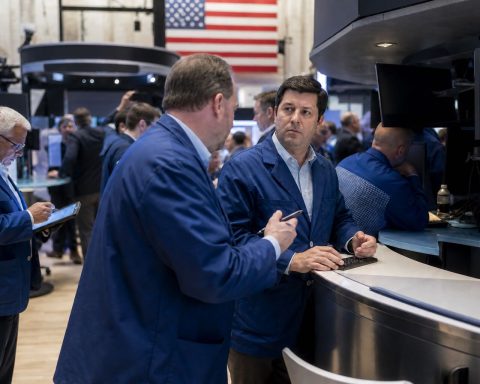
Big Tech shares closed out a choppy week with uneven moves. The S&P 500 ended up 0.5% on Friday, putting it up 0.6% for the week. The Nasdaq Composite added 0.3% for the day and 0.7% for the week, according to Associated Press data. Inside the megacap group, Tesla jumped 1.8% on Friday, and both Alphabet and Nvidia posted small gains. Amazon, Apple and Meta slipped. Stocks move higher when investors see more profit ahead or lower risks. They fall when those views reverse.
Positioning is the main reason the Magnificent Seven lagged. According to Reuters and a JPMorgan note, hedge funds dumped the biggest U.S. tech names and took on more short bets before SpaceX’s IPO. The Roundhill Magnificent Seven ETF, which tracks the group, dropped more than 2.4% since June 5. The Nasdaq still ended the week up. Selling pressure from funds weighed on these popular stocks, even without new bad news from the companies.
Stocks sold off harder midweek as some investors grew wary that top AI plays had gotten ahead of themselves. The Philadelphia semiconductor index slumped 3.6% on Wednesday, with Nvidia and Broadcom weighing heavily on the S&P 500. The S&P 500 technology sector closed 11% under its June 2 record, meeting the usual definition of a correction—down at least 10% from a recent peak. Reuters said investors were factoring in the risk of higher interest rates after strong economic reports and firm inflation. Higher rates squeeze growth stocks by cutting the present value of future profits.
Chip stocks rallied hard Thursday as macro pressure let up, Reuters said. The PHLX Semiconductor index shot up 7.9%, its best one-day jump since April 2025, after worries over a U.S.-Iran strike faded. “Just as we had gone up too far, too fast, we came down too far, too fast,” Robert Phipps, director at Per Stirling Capital Management, told Reuters. On Friday, AP reported that stocks got another lift from Brent crude falling 3.4%. Cheaper oil can take some heat off inflation and curb central-bank tightening. Reuters
AI spending is back in focus as bulls and bears square off. Oracle isn’t part of the Magnificent Seven, but its 12% drop Thursday sent a warning to Microsoft, Amazon, Alphabet and Meta. These companies also keep pouring money into new data centers. Reuters said Oracle is looking at about $70 billion in net capex this fiscal year, and the company plans to tap debt and equity markets again. Bears argue that while AI demand is there, costs could drag on free cash flow and hit margins.
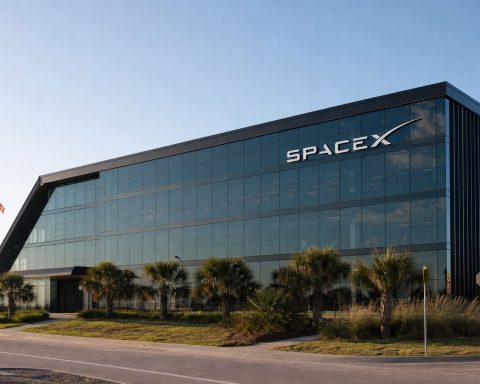
SpaceX’s market debut has shifted the story on Big Tech leadership. Reuters said Saturday that SpaceX’s valuation climbed past $2 trillion following the biggest U.S. IPO, topping Tesla and Meta—both in the original Magnificent Seven group. “It becomes very hard to keep using Mag 7 as the clean shorthand for market leadership because one of the most important companies in the world would immediately be outside the label,” Shay Boloor, chief market strategist at Futurum Equities, told Reuters. The key question for stock prices is whether these new AI and space firms draw capital away from old megacap leaders or add to total demand for fast-growing tech plays. Reuters
The group as a whole trades less cheaply than before, and risk is up for anyone buying the full basket right now. Bulls point to technology funds still pulling in $4.39 billion last week, marking ten weeks in a row of inflows. That demand for the AI theme kept up even as U.S. equity funds bled $12.57 billion in net outflows. Bears focus on valuations: Tesla trades at a P/E ratio over 370, Apple at about 35, Nvidia near 31, Alphabet close to 27. That leaves less room if growth misses, compared to cheaper names like Meta and Microsoft. Next up, the Fed meets on June 16–17. The calendar is set. A Reuters poll showed no economists see a cut in June, with almost 70% forecasting rates between 3.50% and 3.75% for the rest of 2026.
Related articles: NASDAQ:META