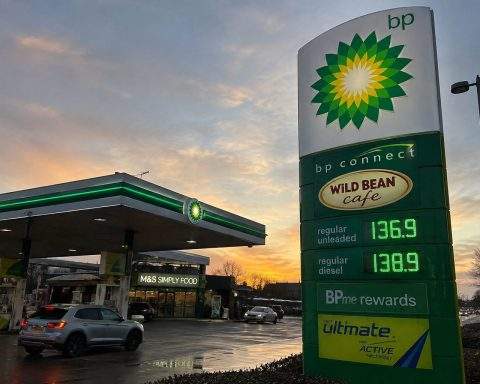

LONDON, July 20, 2026, 10:03 BST — Shares in BP LON:BP moved higher after the company revealed a sharper decrease in debt than the reduction recorded in its output.
- London markets were open, and BP gained 0.3% to 518.8 pence based on delayed pricing.
- Brent temporarily surpassed $90, following a 15.9% rise the previous week.
- Initial second-quarter figures indicate debt is declining at roughly 1.8 times the rate of output.
BP Plc shares rose slightly on Monday, though attention is focused on what is happening beneath the stock price. The company’s initial net debt drop was about 1.8 times greater than the median decrease in upstream production.
The gap is significant since BP halted its quarterly share repurchases in February, opting instead to channel funds into debt reduction and oil and gas ventures with higher returns.
Chief Executive Meg O’Neill has maintained that as a main goal. She has urged for stricter spending controls, a reduction in assets and less debt.
According to delayed data, BP traded at 518.8 pence, an increase of 0.3%. Shell Plc LON:SHEL climbed 0.3% as well, and TotalEnergies SE EPA:TTE advanced 0.9% in Paris.
Brent rose 1.2% to $89.13 as of 08:51 BST, after briefly topping $90. Last week, the benchmark climbed 15.9%.
The same conflict that is keeping prices elevated is also limiting physical shipments. Just four vessels traversed Hormuz on Sunday, compared to eight the previous day.
BP’s second-quarter numbers are still provisional. The midpoint adjustments shown below are based on the company’s provided ranges and data from the first quarter.
| Measure | Q1 2026 | Q2 preliminary | Calculated move |
|---|---|---|---|
| Net debt | $25.3 billion | $22 billion-$23 billion | Declined 11.1% at midpoint |
| Upstream output | 2.339 million boe/day | 2.170 million-2.220 million boe/day | Dropped 6.2% at midpoint |
| Gap to $16 billion target midpoint | $9.3 billion | $6.5 billion | Closed by 30.1% |
Output is recorded in barrels of oil equivalent per day. Data originate from BP’s preliminary statement; all percentage changes have been calculated.
Net debt dropped by 11.1% at the midpoint, while output was down 6.2%. The pace of debt reduction was 1.8 times that of the output decrease.
BP’s stated net-debt aim for the end of 2027 still stands at $14 billion to $18 billion. By the close of Q2, the midpoint had bridged roughly 30% of the gap to the target midpoint since March.
BP attributed cash inflows to increased prices. The company forecasts oil-production profits to rise by $1.8 billion to $2.1 billion compared to Q1. Refining profits are projected to increase by $1.2 billion to $1.4 billion. Oil trading is anticipated to see a modest improvement.
Production decreased instead. Anticipated output dropped to between 2.17 million and 2.22 million boe per day due to seasonal maintenance and disruptions in the Middle East.
“The oil market is once more becoming tight,” UBS Group AG SWX:UBSG analyst Giovanni Staunovo said. He connected his outlook to a decline in tankers departing from the Gulf. Reuters
O’Neill described the reset in direct language. “We need to make fewer, better choices,” she said earlier this month. Euronext Live
The Iraq deal announced on Friday serves as a test case. ConocoPhillips NYSE:COP has agreed to acquire a 42% holding in BP’s Kirkuk operation. The partnership is not anticipated to require major capital investments. Financial terms were not revealed.
The increase in debt does not resolve worries over asset quality. BP anticipates transition-business impairments around $1 billion and exploration write-offs of $500 million.
Risks stay elevated. A disruption in Hormuz could drive crude prices higher while reducing BP’s shipping capacity or output. If oil prices fall, debt reduction efforts could face pressure without the support of a war premium.
BP is scheduled to release full second-quarter results on August 4. Investors are set to monitor cash flow, working capital, and developments towards reaching the target range.
Related articles: LON:BP