
London, May 25, 2026, 13:00 BST
- Brent and WTI dropped almost 6% to lows last seen on May 7. Traders unwound the war premium linked to the Strait of Hormuz.
- Markets in the U.S. and UK were closed for holidays, leaving trade thinner and liquidity lower.
- The next hurdle isn’t just at the diplomatic table. Traders are tracking physical cargo movements, U.S. stockpiles, and how fast supply comes back online.
Oil dropped sharply Monday, with Brent dipping under $100 per barrel. Traders pointed to signs of progress in U.S.-Iran discussions, which lifted hopes for more energy flows through the Strait of Hormuz.
Brent crude futures dropped $6.01, or 5.8%, to $97.53 a barrel by 1125 GMT. West Texas Intermediate (WTI) fell $5.65, or 5.9%, to $90.95. Both hit the lowest levels since May 7. Futures are contracts to buy or sell oil at a set date in the future.
Markets saw thinner trading Monday with the U.S. and UK closed for holidays, a situation that can make price swings more pronounced when fewer traders are at their desks. The NYSE cites Memorial Day, May 25, as a market holiday for 2026. Reuters said the U.S. and UK shutdowns drained some global liquidity.
Traders are weighing how much of the Middle East supply shock is left if talks make progress. President Donald Trump said this weekend a deal framework with Iran was “largely negotiated,” but both sides soon lowered expectations for a fast agreement. Reuters
Oil was lower, but volatility stayed. Warren Patterson, ING’s head of commodities strategy, said the market could be “more cautious about overreacting” since earlier talks fell through. UBS’s Giovanni Staunovo said “physical oil flows” via the strait are still the main question. Reuters
Oil prices slid last week, with Brent finishing Friday at $103.54 and WTI at $96.60. Both still posted sharp weekly losses of 5.48% for Brent and 8.37% for WTI as traders reacted to headlines on U.S.-Iran talks, which kept moving expectations. Phil Flynn, senior analyst at Price Futures Group, called the pace of news “hard to keep up” with. Reuters
The main risk is still the Strait of Hormuz. Before fighting began, about 20% of world oil and liquefied natural gas shipments went through it. Reuters said Monday that negotiations remain stuck on the strait, nuclear questions, and Iranian funds that are frozen.
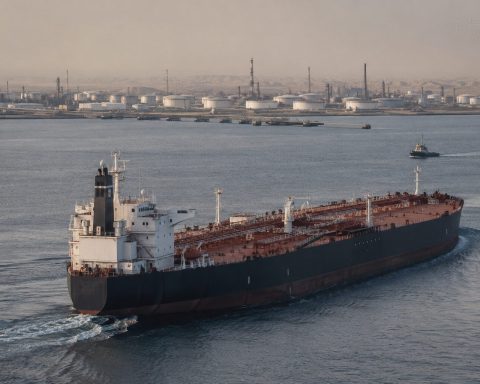
Shipping traffic showed limited movement. Reuters said two LNG tankers were leaving the Strait on Monday. A supertanker loaded with Iraqi crude headed to China on Saturday after sitting in the Gulf almost three months.
India’s refiners are shifting purchases to Latin American and African crude as disruptions hit Middle East supplies. India, which is the third-largest oil importer and consumer, is already seeing the impact. Russia still holds the top spot as supplier to India, with the UAE and Saudi Arabia following.
Airlines in Europe climbed as crude prices slipped, with Lufthansa gaining 3.7% and Air France-KLM adding 7.5%. Energy stocks trailed the market. Fuel-sensitive stocks moved again.
Downside risk to the oil drop is plain. If negotiations break down or shippers see the route as too dangerous, prices could jump fast since inventories are already low. The U.S. pulled a record 17.8 million barrels from crude stocks for the week ending May 15, with 9.9 million barrels coming out of the Strategic Petroleum Reserve, according to the Energy Information Administration.
Short week but plenty happening. The next EIA weekly petroleum report lands Thursday, May 28, pushed back due to Memorial Day. Traders will be watching the numbers to see if U.S. oil stocks keep dropping with summer fuel demand climbing.
OPEC supply policy is still in the mix. Seven OPEC+ members will gather June 7 to evaluate the market, quotas and compensation, the group said, after earlier agreeing to raise June output targets. What’s unclear is if Gulf exporters can push out more barrels.
Related articles: Energy Markets