Bitcoin Bonanza and AI Cloud Pivot Send Hyperscale Data (GPUS) Soaring
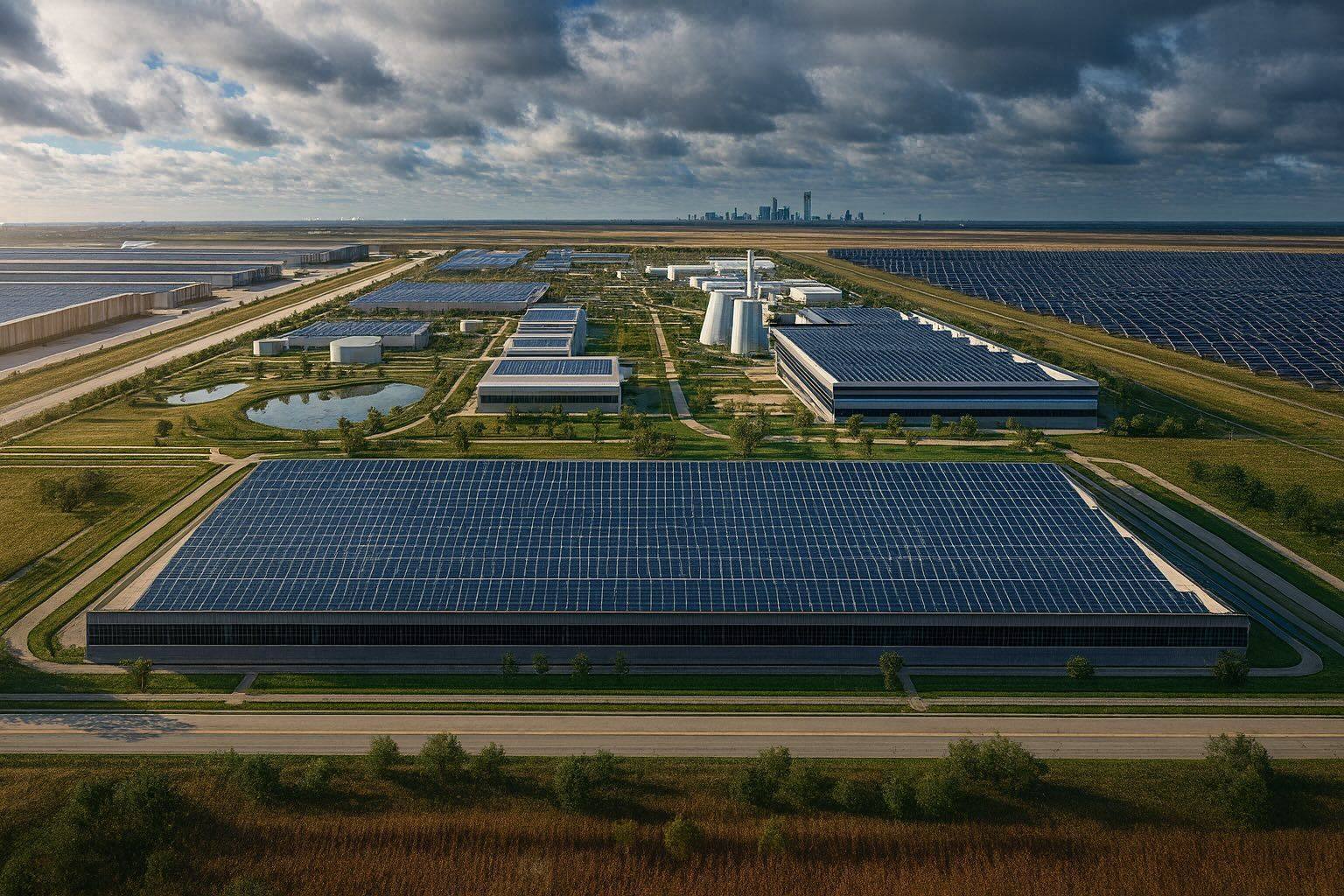
Hyperscale Data, Inc. is in the midst of a dramatic transformation. Formerly known as Ault Alliance, Inc., the company has roots in cryptocurrency mining and diversified holdings datacenterdynamics.com datacenterdynamics.com. In September 2024 it rebranded as Hyperscale Data to reflect a new focus on high-performance data centers for artificial intelligence alongside Bitcoin mining datacenterdynamics.com datacenterdynamics.com. Through its subsidiary Sentinum, Inc., Hyperscale owns a flagship 28 megawatt data center in Dowagiac, Michigan – a 617,000 sq ft campus acquired in 2022 that can scale to an immense 300 MW capacity datacenterdynamics.com datacenterdynamics.com. The site currently hosts both Bitcoin mining rigs and GPU clusters for AI workloads, with a portion of mining operations being shifted to a newer 20 MW site in Montana to free up capacity for AI clients datacenterdynamics.com.