
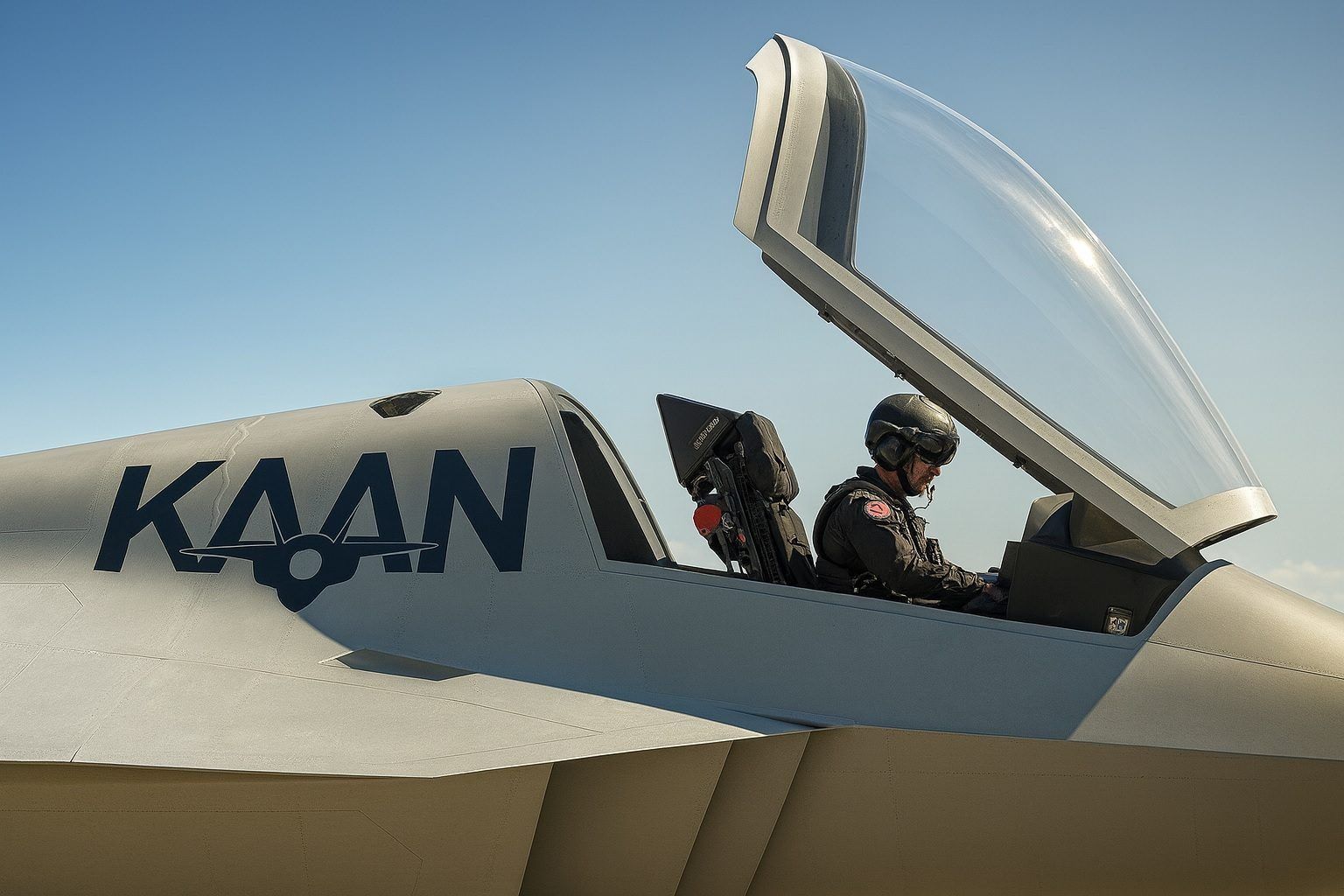
Turkey’s KAAN Stealth Fighter at a Crossroads: Engine Dependence, Eurofighter Bridge and Rising Export Hopes (24 November 2025)
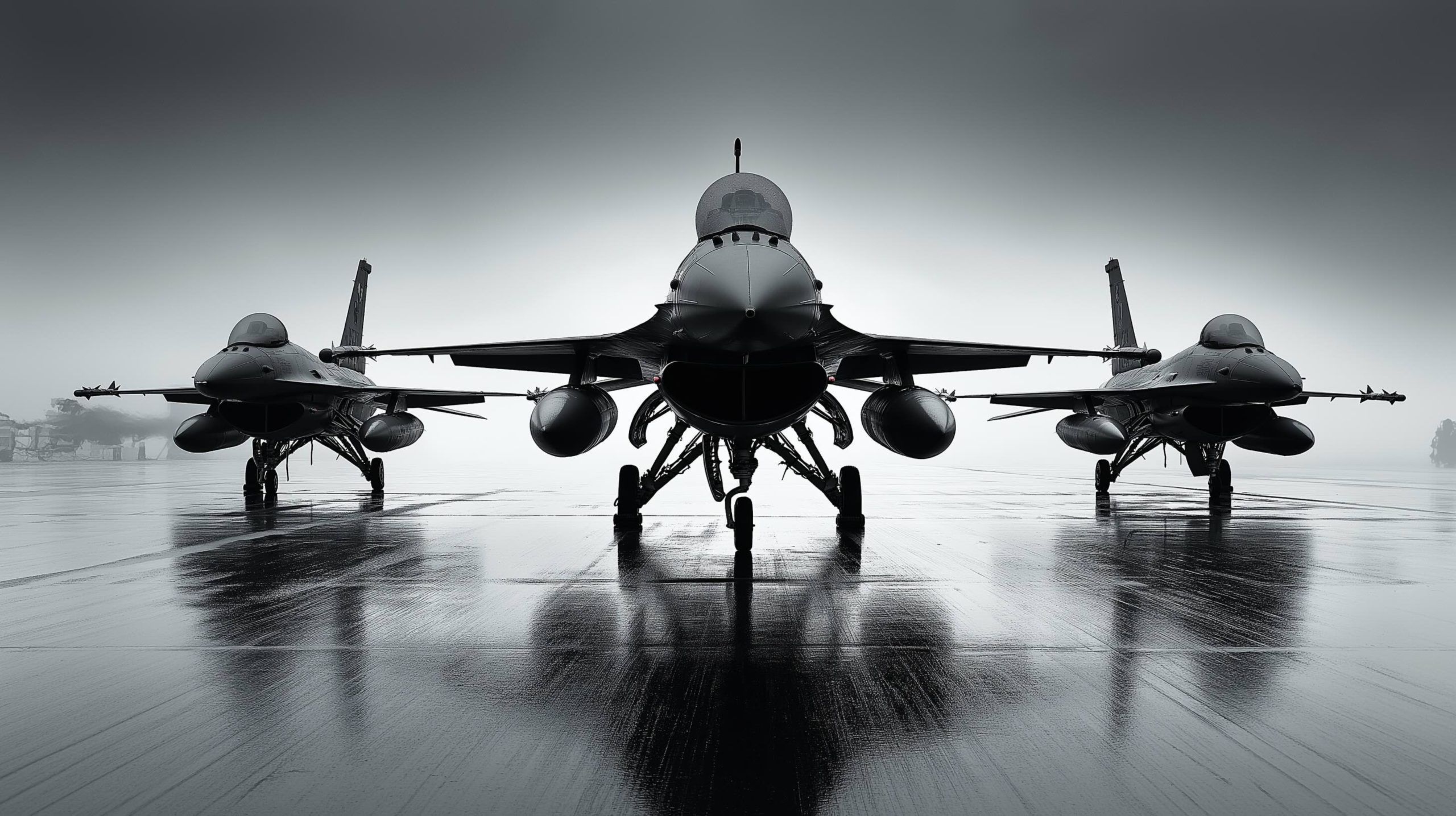
ANKARA – 24 November 2025 – Turkey’s flagship KAAN fifth‑generation stealth fighter is back in the headlines today, and not just for its technical milestones. A wave of new analysis and reporting is exposing a sharp divide between Ankara’s official optimism and growing international concern over how “indigenous” – and how vulnerable – the program really is. EURASIAN TIMES+1

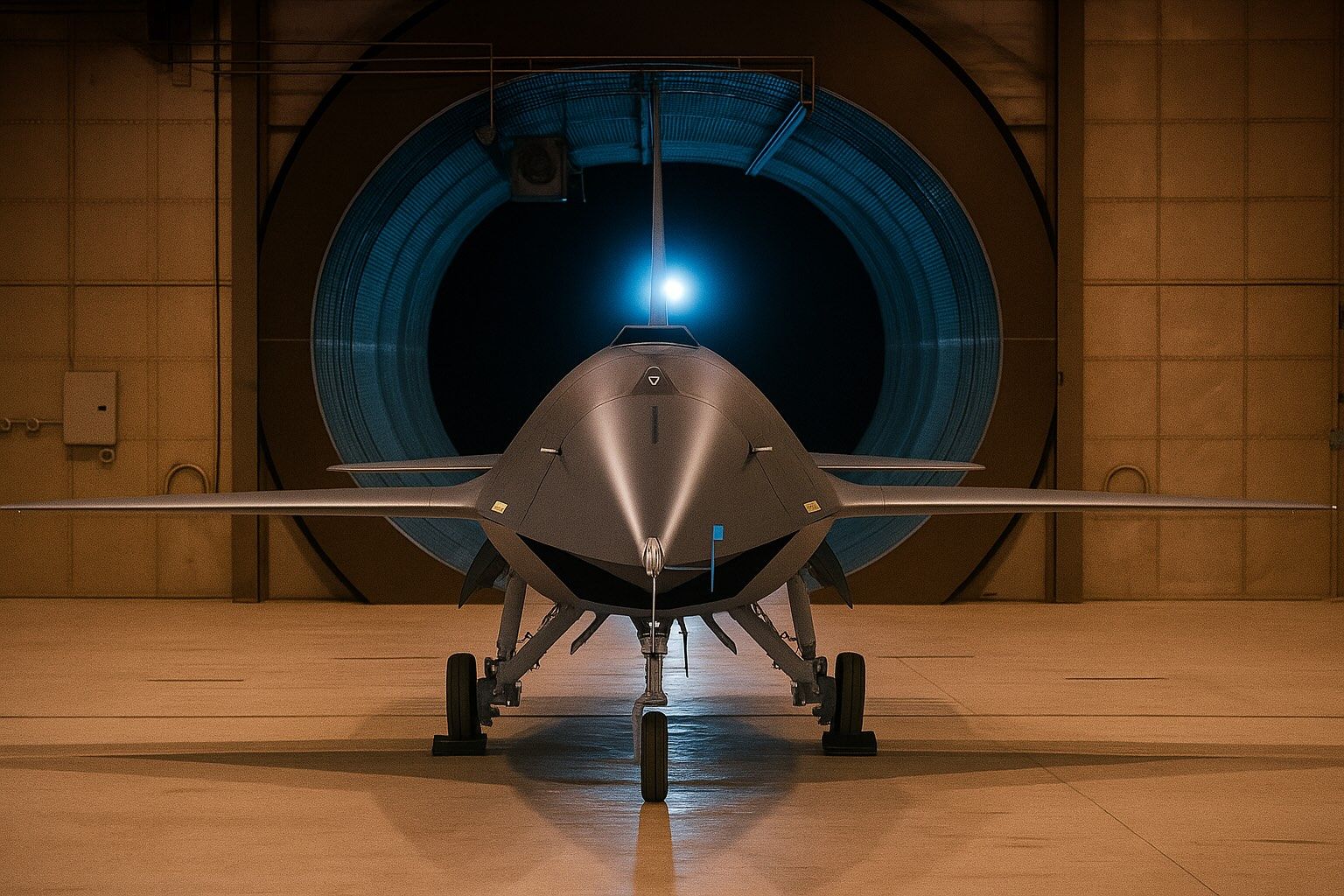
![BIO-key (BKYI) spikes on major Middle East defense biometric deployment — stock reacts as company expands EMEA footprint [Nov. 7, 2025]](https://ts2.tech/wp-content/uploads/2025/11/bio-key-bkyi-spikes-on-major-middle-east-defense-biometric-deployment-stock-reacts-as-company-expands-emea-footprint-nov-7-2025-featured.jpg "BIO-key (BKYI) spikes on major Middle East defense biometric deployment — stock reacts as company expands EMEA footprint [Nov. 7, 2025]")












![US Stock Market Today 08/28/2026 [UPDATE: 03:04 EDT] [Marvell Stays Near Overnight Low as Premarket Handoff Nears]](https://ts2.tech/wp-content/uploads/2026/08/US-market-dashboard-2026-08-28-0300-480x384.jpg "US Stock Market Today 08/28/2026 [UPDATE: 03:04 EDT] [Marvell Stays Near Overnight Low as Premarket Handoff Nears]")