Today: 21 July 2026
Browse Category

NASA 8 June 2025 - 21 June 2025

Zombie Satellite! Defunct NASA Orbiter Emits Blazing Radio Burst After 60 Years

Zombie Satellite Awakens: Defunct 1960s NASA Orbiter Blasts Earth with Mysterious Radio Pulse

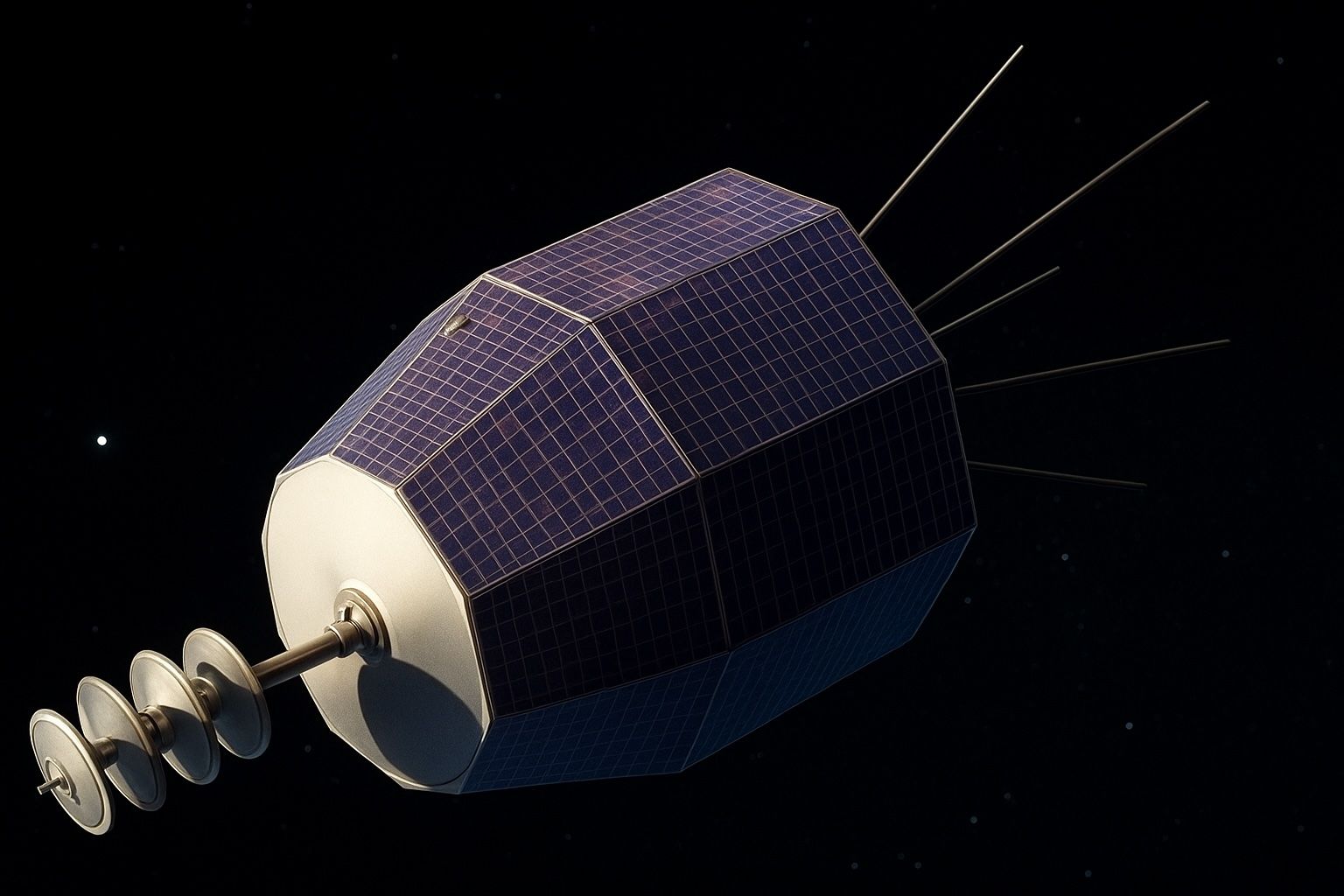
Relay 2 is an experimental communications satellite NASA launched on January 21, 1964, as part of the early Relay programen.wikipedia.org. Similar in design to its predecessor Relay 1, this satellite was built by RCA and tasked with relaying television signals and studying Earth’s radiation beltsen.wikipedia.or en.wikipedia.org. After a successful launch atop a Delta B rocket from Cape Canaveral, Relay 2 operated for only a few years. By late 1965, NASA had already stopped routine use of Relay 2 ts2.tech ts2.tech. The satellite’s onboard transmitters then began failing: the first transponder died on November 20, 1966, and the second went silent on June 9, 1967, at which point Relay 2 was considered officially defunct foxweather.com ts2.tech. In total, Relay 2 transmitted data for less than three years before falling mute, effectively becoming a “dead” satellite in orbit.
21 June 2025
Unlocking the Sun: Inside NASA and ESA’s Daring Missions to Touch the Solar Inferno

Unlocking the Sun: Inside NASA and ESA’s Daring Missions to Touch the Solar Inferno

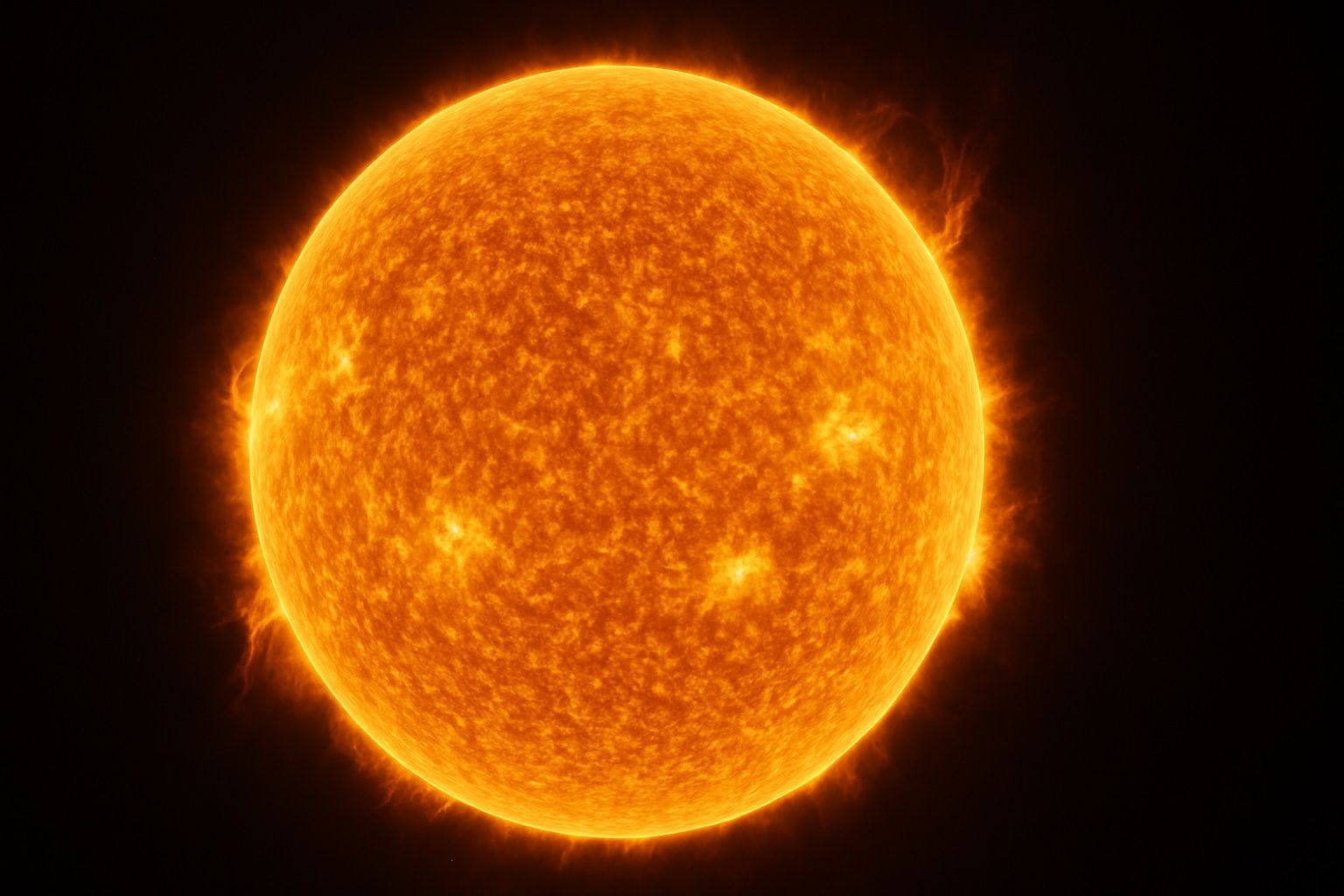
The Sun is our life-giving star – a 4.6-billion-year-old solar inferno that governs Earth’s climate and space environment. Understanding the Sun is not only vital for fundamental science, but also for protecting modern technology and astronauts from space weather nasa.gov nasa.gov. Yet many solar mysteries endure, such as why the Sun’s outer atmosphere blazes hundreds of times hotter than its surface, or how the solar wind – a stream of charged particles flowing outward – is accelerated to high speeds. In the past, scientists could only observe the Sun from afar. Now, two bold spacecraft are “touching” the Sun up close: NASA’s Parker Solar Probe and the ESA/NASA Solar Orbiter. These missions are venturing closer to our star than ever before, braving intense heat and radiation to unlock the Sun’s deepest secrets science.nasa.gov esa.int. This report delves into these daring missions – their objectives, designs, key discoveries, and how together they are revolutionizing solar physics.
Go toTop