Browse Category

NASA News 5 August 2025 - 16 September 2025

NASA’s “Astronaut Avatars” – Tiny Organ Chips Poised to Protect Artemis II Crew’s Health

NASA’s “Astronaut Avatars” – Tiny Organ Chips Poised to Protect Artemis II Crew’s Health

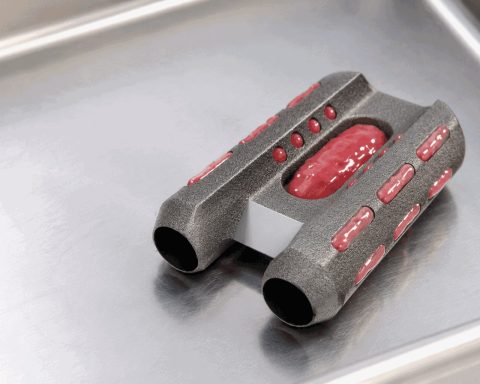
What Are NASA’s “Avatars for Astronaut Health”? NASA’s “Avatars for Astronaut Health” is a bold initiative to send small living models of astronauts’ organs into deep space. These “avatars” aren’t robots or holograms – they are organ-on-a-chip devices containing real human cells, designed to mimic the functions of human tissues science.nasa.gov. For Artemis II, NASA will load chips with cells donated by the four crew members themselves, essentially creating miniaturized versions of their organ tissue that can be studied in parallel with the crew science.nasa.gov science.nasa.gov. The goal is to see how these cells respond to deep space conditions – such
16 September 2025
Moon Race Heats Up, Starlink Hits 300 Launches, and Mars Life Clues – Space News Roundup (Sept 13–14, 2025)

Moon Race Heats Up, Starlink Hits 300 Launches, and Mars Life Clues – Space News Roundup (Sept 13–14, 2025)

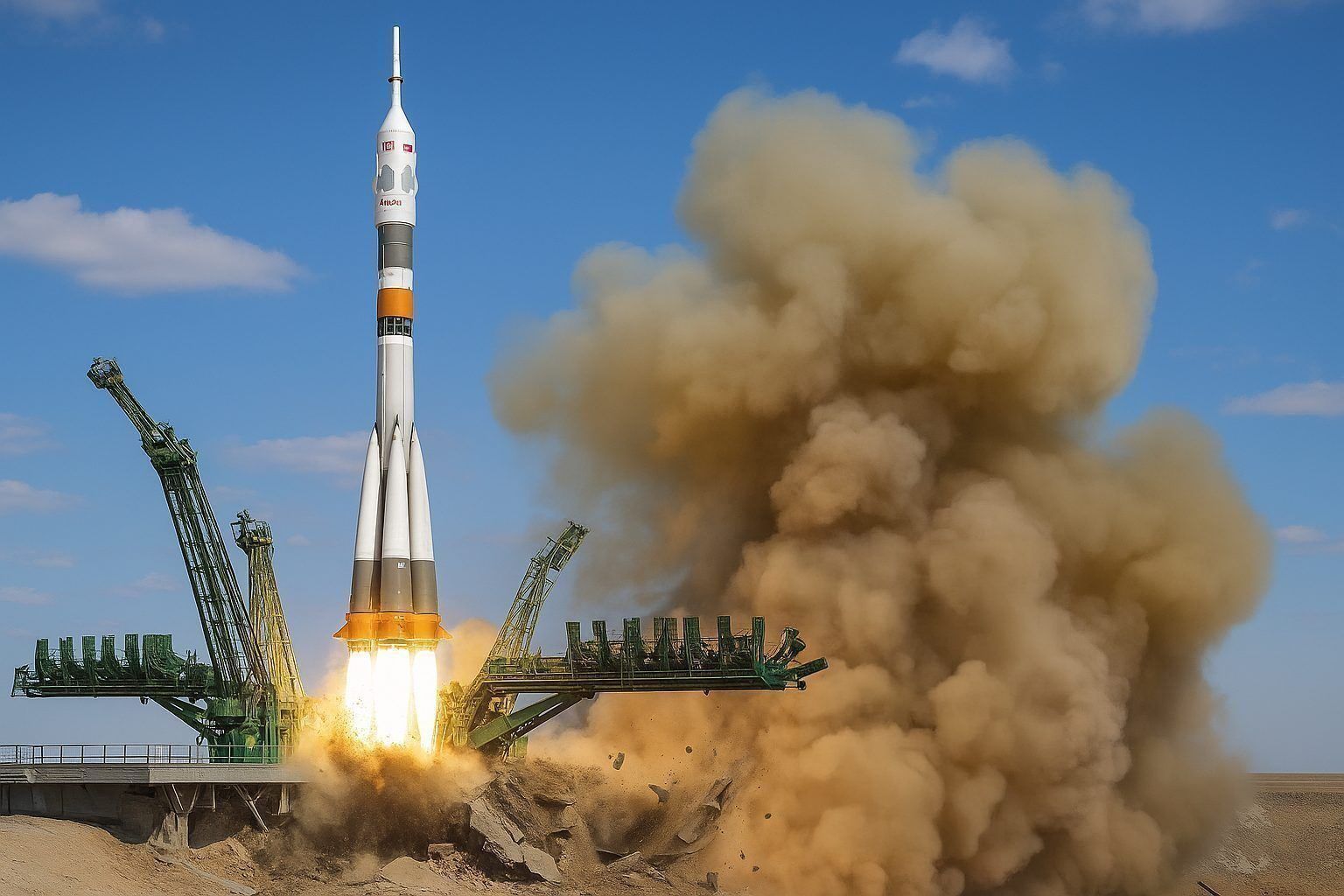
Key Facts Civil Space Programs: ISS Resupply & Exploration The weekend saw robust support for the International Space Station from multiple partners. Northrop Grumman’s latest cargo mission, NG-23, thundered off Launch Complex 40 at Cape Canaveral on Sunday evening (Sept. 14). Packed with over 11,000 pounds of experiments and provisions, the Cygnus freighter – named the S.S. Willie McCool in honor of the STS-107 Columbia pilot – is the first “Cygnus XL” variant, featuring an enhanced design that expands its payload capacity by about one-third nasa.gov spacepolicyonline.com. Because Northrop is still developing a new U.S.-built Antares rocket (to replace older models that relied
14 September 2025
 ·  ·  ·  · 
iPhone Air Debuts, NASA Bars China & Mercedes’ 749‑Mile EV: Tech’s Hottest (Non‑AI) Headlines of Sept 12–13, 2025

iPhone Air Debuts, NASA Bars China & Mercedes’ 749‑Mile EV: Tech’s Hottest (Non‑AI) Headlines of Sept 12–13, 2025

Key Facts Hardware & Consumer Electronics Apple’s Device Deluge: Apple dominated tech headlines with a slate of product launches on September 9, now rolling out to consumers. The new iPhone 17 family introduced Apple’s fastest chips and a surprise new model dubbed “iPhone Air.” Belying its name, the iPhone Air sports a spacious 6.5-inch Super Retina XDR display (120Hz ProMotion) yet is just 5.6 mm thick – Apple’s thinnest phone ever apple.com apple.com. Its high-strength titanium alloy frame and Ceramic Shield 2 glass make it more durable than any prior iPhone apple.com apple.com. Inside, the iPhone Air packs the A19 Pro
13 September 2025
NASA Hints at Martian Life, SpaceX’s 120-Launch Greenlight & Warfighter Satellites – Space News Roundup (Sept 12–13, 2025)

NASA Hints at Martian Life, SpaceX’s 120-Launch Greenlight & Warfighter Satellites – Space News Roundup (Sept 12–13, 2025)

Key Facts Mars Rover Finds Potential Signs of Ancient Life One of the week’s most groundbreaking developments came from the Red Planet. NASA unveiled evidence that a Martian rock sample may contain a “potential biosignature” – a clue of past microbial life. The Perseverance rover drilled the sample, dubbed “Sapphire Canyon,” from an ancient river delta in Jezero Crater in July 2024 nasa.gov. Scientists noticed millimeter-sized “leopard spots” in the reddish rock (nicknamed “Cheyava Falls”), which on Earth can result from chemical processes that microbes use for energy nasa.gov livescience.com. The rock is rich in clay, a material excellent at
13 September 2025
 ·  ·  ·  ·  ·  · 
Leopard-Spotted Mars Rock Could Hold ‘Clearest Sign of Life’ Yet, NASA Says

Leopard-Spotted Mars Rock Could Hold ‘Clearest Sign of Life’ Yet, NASA Says

A Mysterious Rock in an Ancient Martian Riverbed NASA’s Perseverance rover, which landed in Jezero Crater in 2021, has been on the hunt for signs of past life. In an ancient river channel called Neretva Vallis – once a conduit for water into Jezero’s lake – the rover spotted something unusual last year washingtonpost.com theguardian.com. A flat, fine-grained mudstone rock caught scientists’ attention because its surface was dotted with multicolored spots and tiny nodules. The science team nicknamed the rock “Cheyava Falls,” after a waterfall in the Grand Canyon, due to its shape. They playfully described the larger blotches as “leopard spots” and the tiny dark bumps as
10 September 2025
48 Years in Space: Inside NASA’s Voyager 1 & 2’s Epic Journey Beyond the Solar System (2025 Update)

48 Years in Space: Inside NASA’s Voyager 1 & 2’s Epic Journey Beyond the Solar System (2025 Update)

Key Facts History and Mission Objectives (1977 Launch and Beyond) In the early 1970s, NASA conceived the Voyagers as part of a once-in-176-year alignment allowing a “Grand Tour” of the outer planets. Budget constraints scaled the plan down from four probes to two spacecraft launched in 1977, each initially tasked to explore Jupiter and Saturn science.nasa.gov. The mission plan cleverly allowed for an extended journey: if Voyager 1 successfully completed its Saturn flyby, Voyager 2 would be directed onward to Uranus and Neptune using gravity assists science.nasa.gov. The twin probes – originally called Mariner 11 and Mariner 12 – were rechristened “Voyager” just before launch, reflecting their ambitious
6 September 2025
Interstellar Comet 3I/ATLAS Shrouded in CO₂ Fog – NASA’s SPHEREx Reveals a Cosmic Visitor’s Secrets

Interstellar Comet 3I/ATLAS Shrouded in CO₂ Fog – NASA’s SPHEREx Reveals a Cosmic Visitor’s Secrets

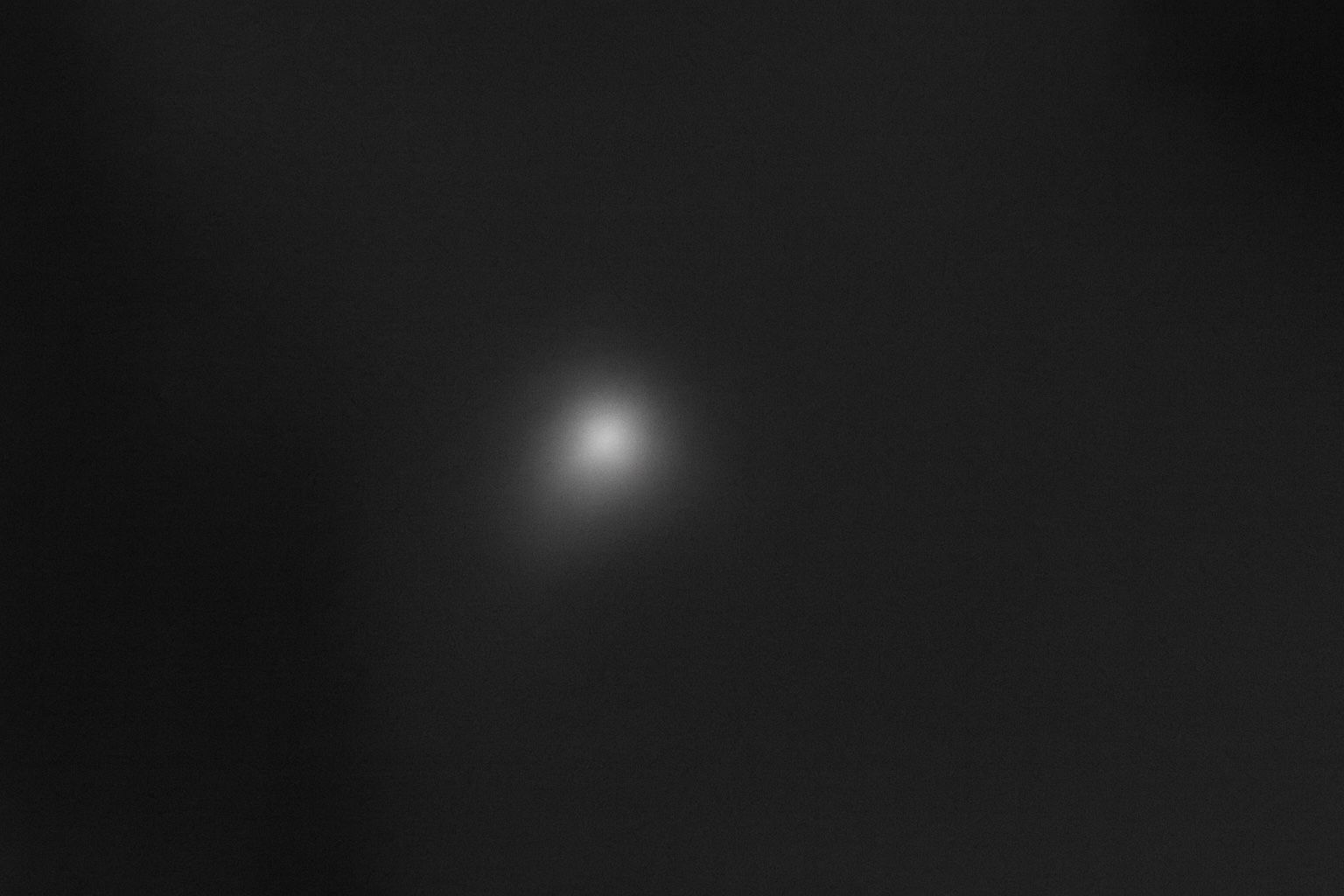
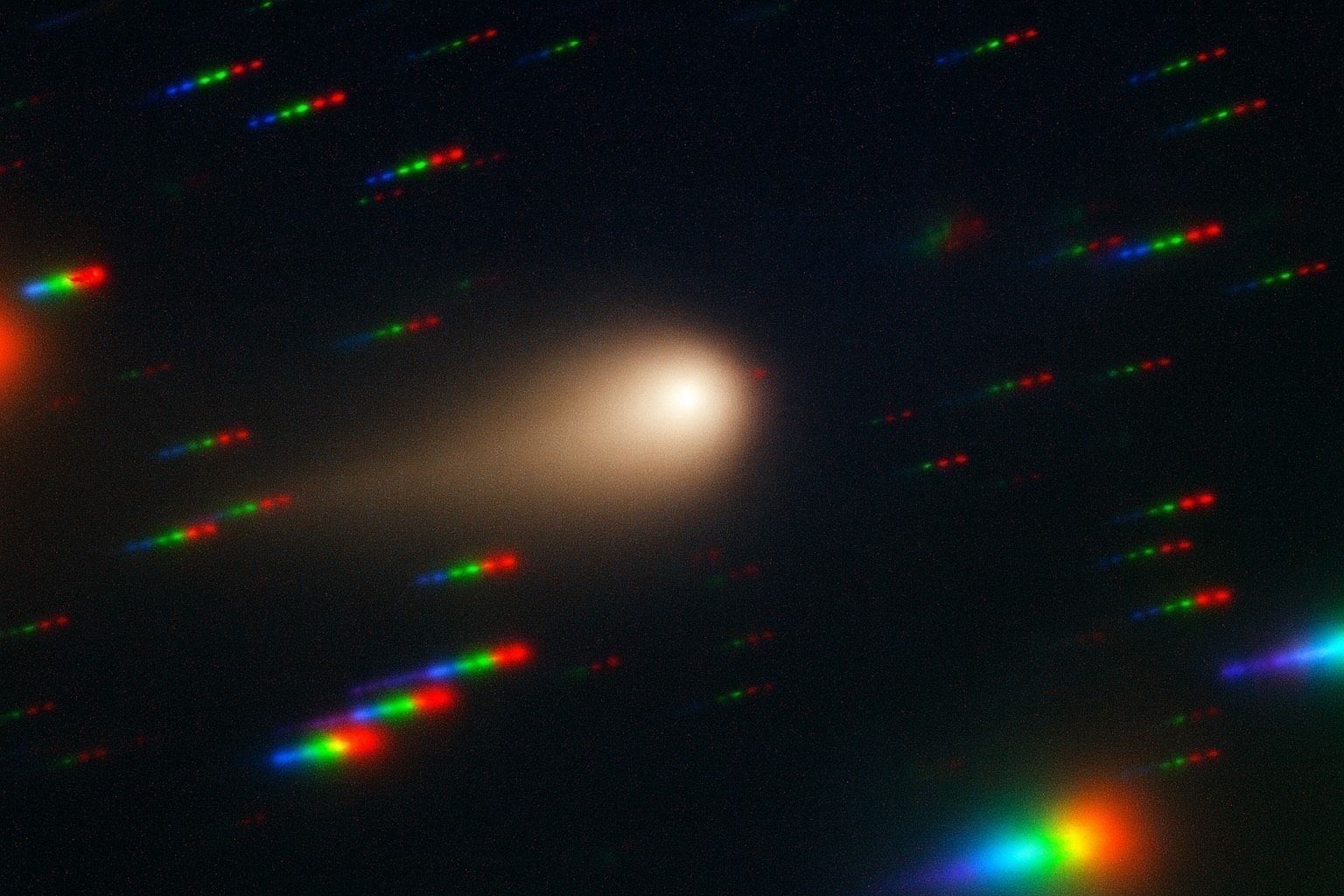
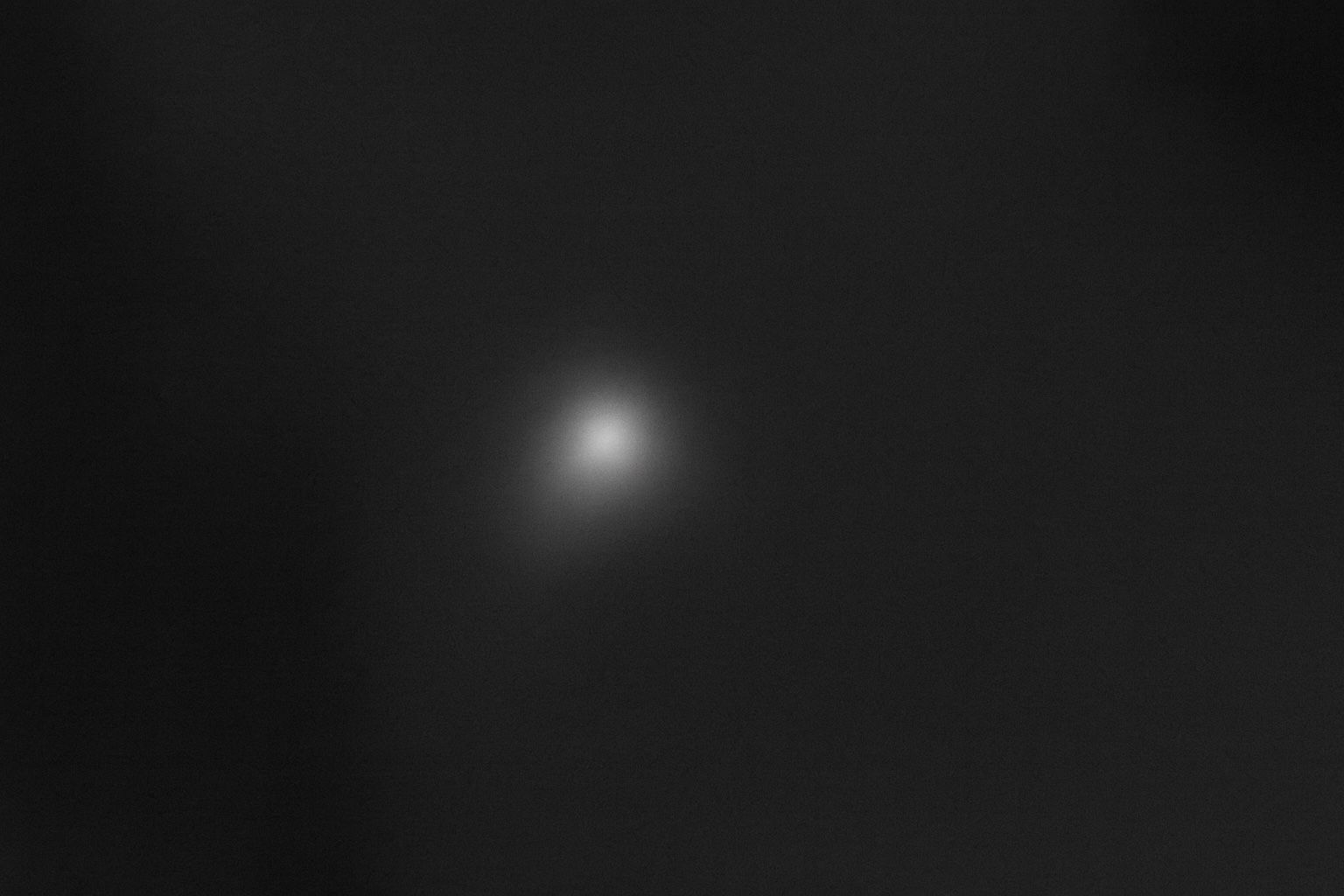
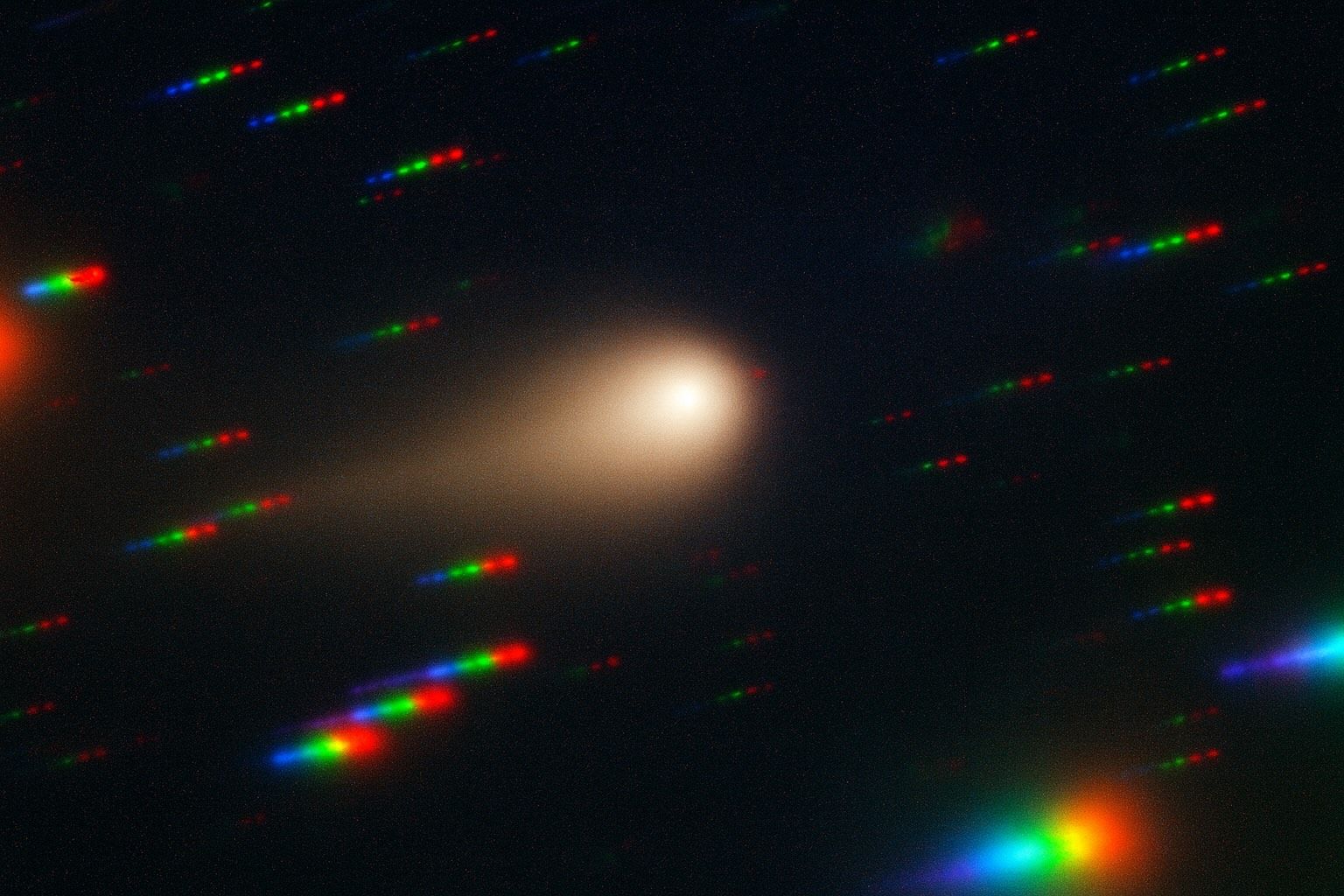
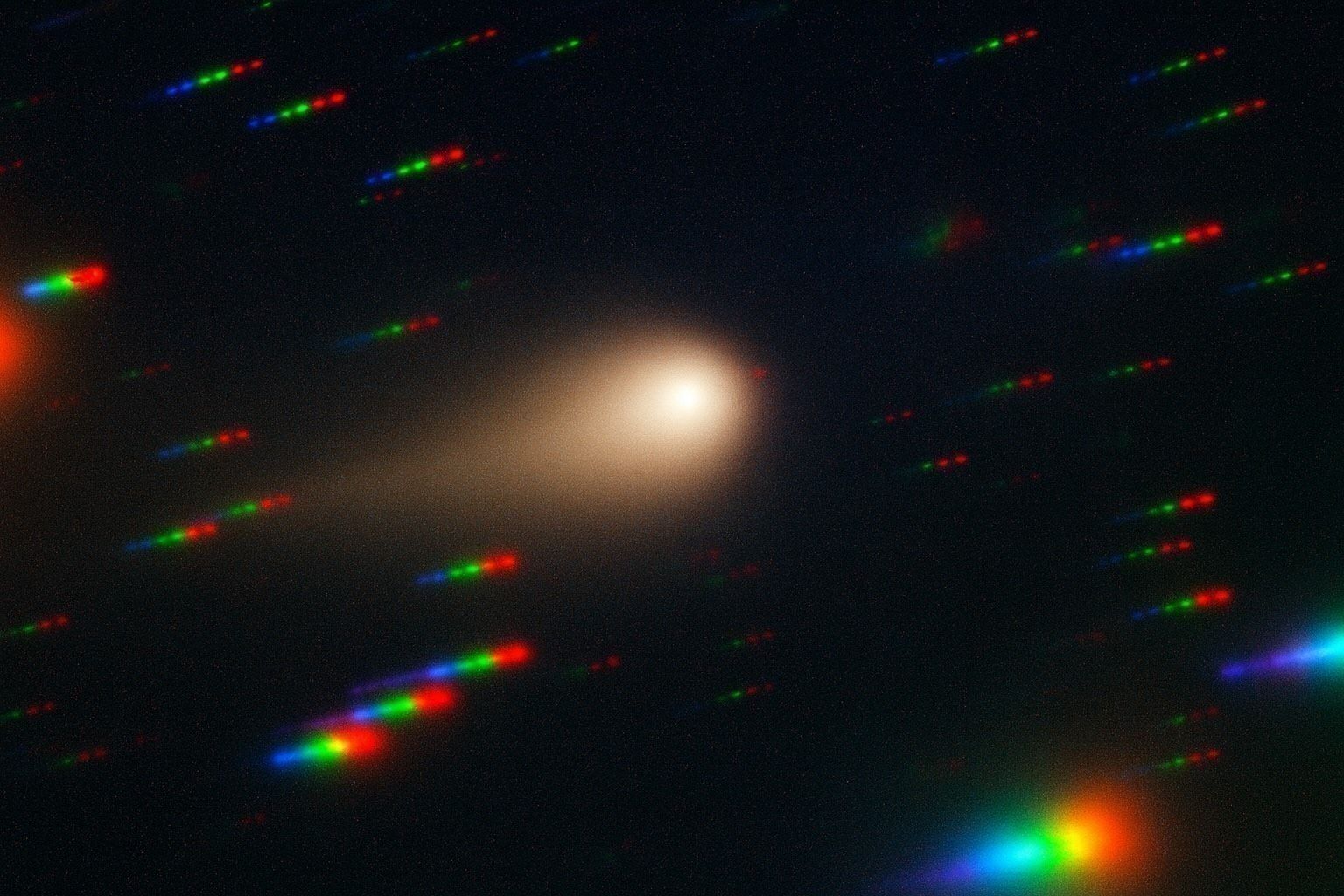
3I/ATLAS (C/2025 N1 ATLAS) was discovered July 1, 2025 by the ATLAS survey telescope in Chile and is on a hyperbolic, unbound path with eccentricity ~6.2, making it the third confirmed interstellar object after 1I/‘Oumuamua and 2I/Borisov. Early estimates suggested a diameter of several kilometers, and Hubble data later indicated a nucleus of about 5–6 km across, making 3I/ATLAS the largest interstellar object observed. SPHEREx detected a huge CO₂ cloud around 3I/ATLAS, with the coma extending at least 348,000 km from the nucleus, alongside evidence of water ice in the nucleus. JWST measurements found a CO₂-to-H₂O ratio of roughly 8:1
5 September 2025
 ·  ·  ·  · 
Race to Drive on the Moon: Inside the Battle for NASA’s Artemis Lunar Rover Contract

Race to Drive on the Moon: Inside the Battle for NASA’s Artemis Lunar Rover Contract

The New Moon Buggy Race for Artemis Three competing lunar rover prototypes on display at NASA’s Johnson Space Center: (L–R) Venturi Astrolab’s FLEX rover, Intuitive Machines’ Moon RACER, and Lunar Outpost’s Eagle LTV. NASA is once again in the market for a Moon rover – and this time it’s turning to private industry. Under the Artemis program, which aims to return humans to the Moon and eventually send crewed missions to Mars, NASA issued a call for next-generation lunar vehicles that astronauts can drive on the Moon’s surface. The agency’s Lunar Terrain Vehicle (LTV) will be an unpressurized, “open-top” rover akin
5 September 2025
“SpaceX Hits 400th Landing, NASA Rallies Volunteers & Webb Snaps New Cosmic Wonders – Top Space News Aug 27–28, 2025”

“SpaceX Hits 400th Landing, NASA Rallies Volunteers & Webb Snaps New Cosmic Wonders – Top Space News Aug 27–28, 2025”

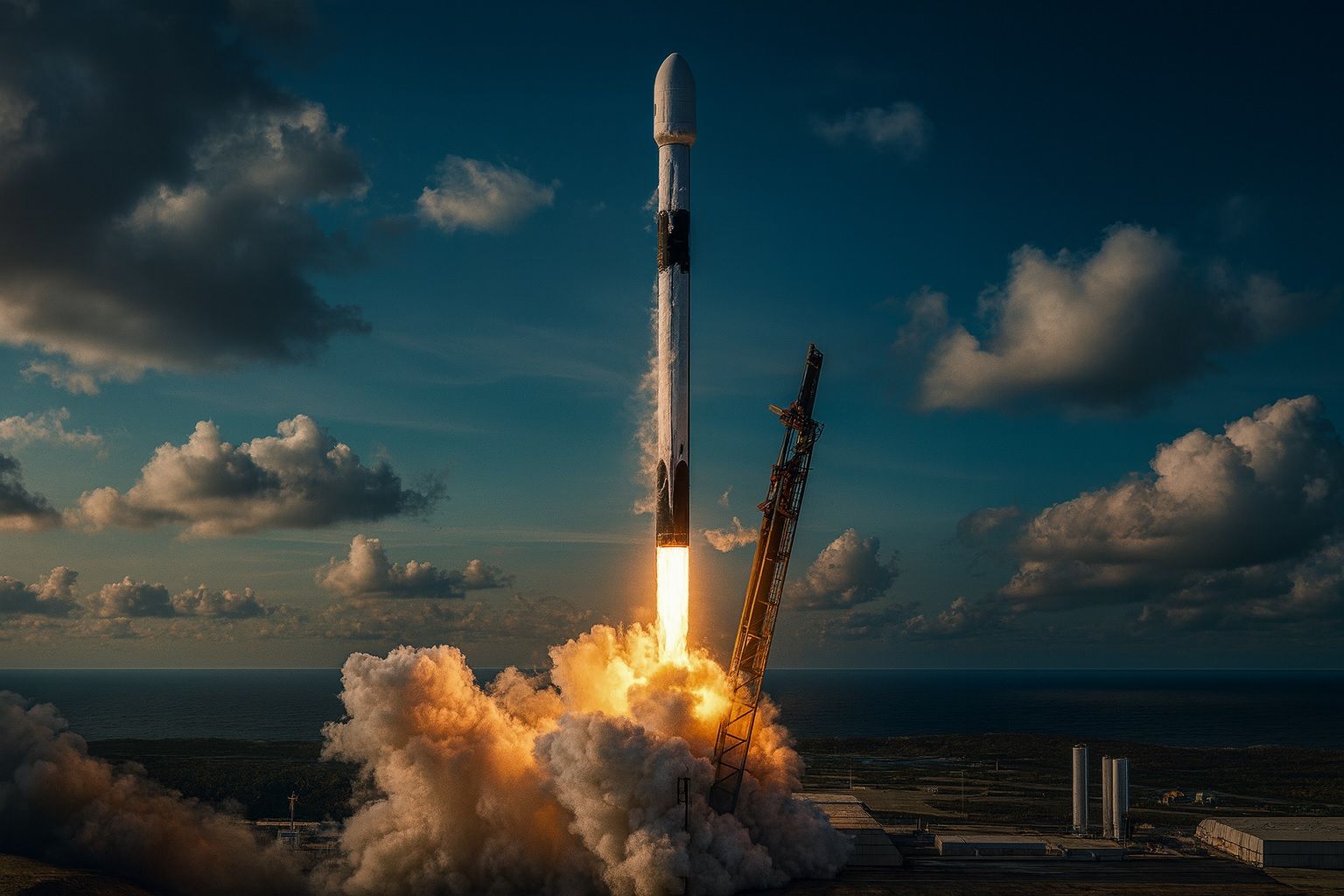
SpaceX Launches & Reusability Milestones On Aug. 27 SpaceX’s Falcon 9 lifted off from Cape Canaveral carrying 28 Starlink V2 Mini satellites, and its first-stage booster (B1095) successfully returned to SpaceX’s droneship in the Atlantic. Spaceflight reports confirm this landing marks the company’s 400th ocean recovery of a Falcon first stage space.com space.com. The booster had flown once before (May 20, 2025 Starlink launch) and achieved a nearly perfect touchdown. SpaceX emphasized the significance of this reuse: in a live update, a SpaceX executive said the team must “keep challenging ourselves to achieve higher launch rates, greater lift capability, and higher
28 August 2025
 ·  ·  ·  · 
From Space Shuttle to SpaceX Dragon: How a Reusable Capsule Became the ISS’s Lifeline

From Space Shuttle to SpaceX Dragon: How a Reusable Capsule Became the ISS’s Lifeline

In 2011, NASA retired the Space Shuttle, leaving the ISS without its primary American supply line. May 2012 marked SpaceX’s Dragon as the first commercial spacecraft to rendezvous and berth with the ISS, delivering about 1,200 pounds of cargo and later returning roughly 1,300 pounds. October 2012’s CRS-1 mission launched the first official NASA Commercial Resupply Services delivery, providing around 400 kg of supplies to the station. On June 28, 2015, a Falcon 9 rocket failure destroyed the CRS-7 mission and its Dragon cargo. June 3, 2017, the CRS-11 mission demonstrated the first reuse of a Dragon capsule, signaling major
24 August 2025
 ·  ·  ·  ·  · 
Apollo 13’s “Successful Failure”: The Epic Journey of Jim Lovell, NASA’s Legendary Commander

Apollo 13’s “Successful Failure”: The Epic Journey of Jim Lovell, NASA’s Legendary Commander

Apollo 13, commanded by Jim Lovell, launched from Kennedy Space Center on April 11, 1970 at 2:13 PM EST with Jack Swigert replacing Ken Mattingly 48 hours before launch due to measles exposure, suffered an oxygen-tank explosion on April 13, and splashed down in the Pacific near Samoa on April 17. Aquarius, the Lunar Module designed for two men for 2 days on the Moon, was pressed into service as a lifeboat for three astronauts for four days. Oxygen Tank 2 exploded and Tank 1 began leaking in the Service Module, knocking out two of Apollo 13’s three fuel cells
8 August 2025
Space Race Shake-Up: NASA Kills Moon Probe, Record Launches & Billion-Dollar Deals (Aug 4–5, 2025 Roundup)

Space Race Shake-Up: NASA Kills Moon Probe, Record Launches & Billion-Dollar Deals (Aug 4–5, 2025 Roundup)

NASA formally ended the Lunar Trailblazer mission on July 31 after a Feb. 26 liftoff, a ~$94 million low-cost orbiter meant to map lunar ice with two novel instruments that lost contact the day after launch and showed misaligned solar panels draining the batteries. NASA’s Mars rover Curiosity marked 13 years on Mars, with software upgrades enabling it to drive and relay data to orbiters simultaneously, extending science hours after 4,600 Martian days. NASA’s Artemis II astronauts will orbit the Moon in about six months, marking the first crewed lunar flyby in 53 years. ISS Crew-11 Dragon docked at the
5 August 2025
Go toTop