Internet Access in Iraq
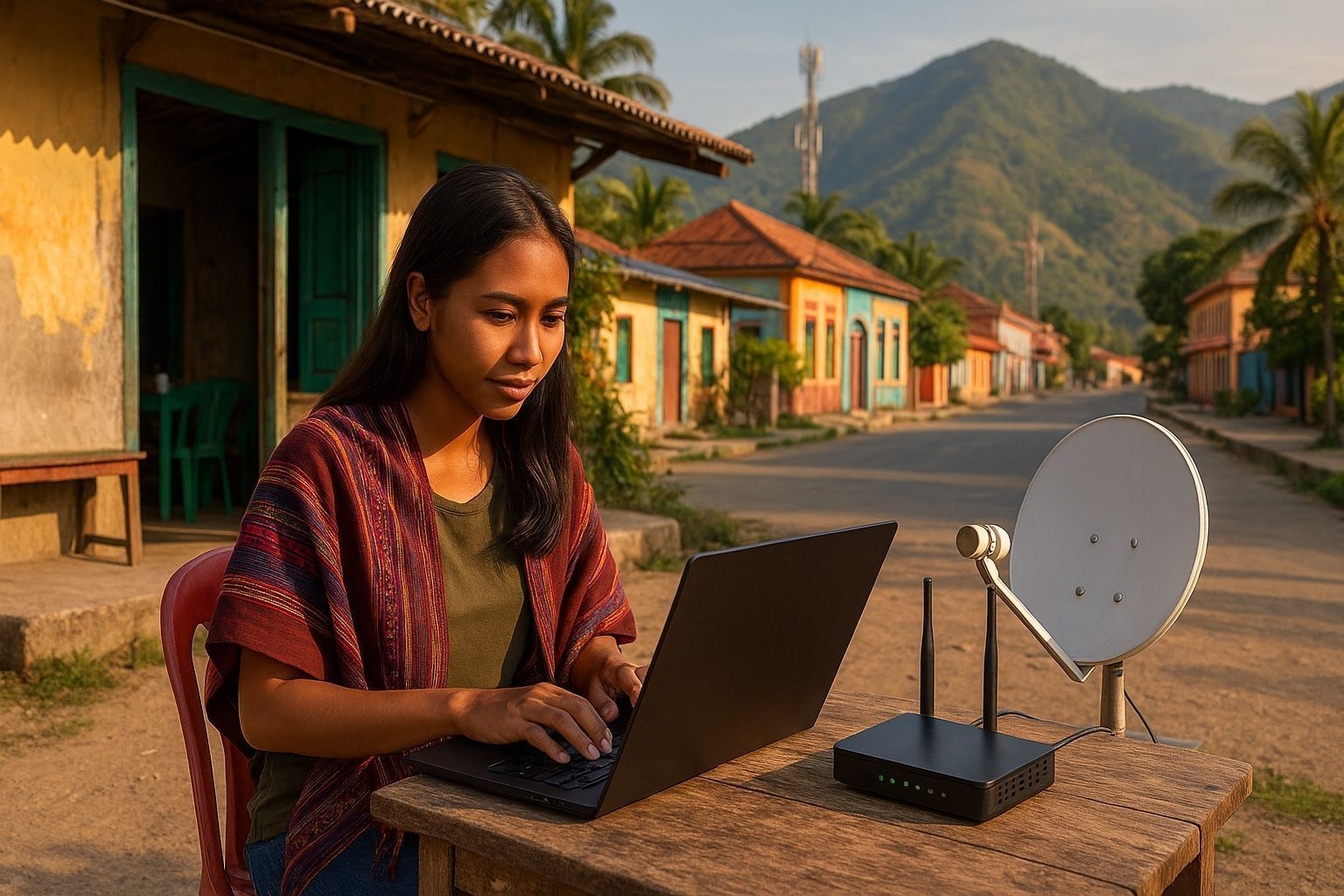
Iraq’s internet infrastructure has expanded significantly since the early 2000s, though much of the core network remains under government ownership. The Ministry of Communications controls the national fiber-optic backbone and international gateways, leasing bandwidth to private ISPs trade.gov. Iraq is connected via terrestrial fiber links to all six neighboring countries and to undersea cables like Gulf Bridge International, but overall capacity is still catching up to demand trade.gov. The state fixed-line network is in poor condition, with limited fiber-to-the-home projects concentrated in Baghdad trade.gov. As a result, most Iraqis access the internet through wireless means – either mobile networks, Wi-Fi at internet cafes, or local neighborhood Wi-Fi providers – since last-mile fixed broadband is not widely available trade.gov. These community-based networks share bandwidth leading to relatively low speeds per user trade.gov.