Browse Category

Stargazing News 10 July 2025 - 20 August 2025

Don’t Miss This Weekend’s Cosmic Show: Perseid Meteors, Planet Parade & Aurora Hints (Aug 17–18, 2025)

Don’t Miss This Weekend’s Cosmic Show: Perseid Meteors, Planet Parade & Aurora Hints (Aug 17–18, 2025)

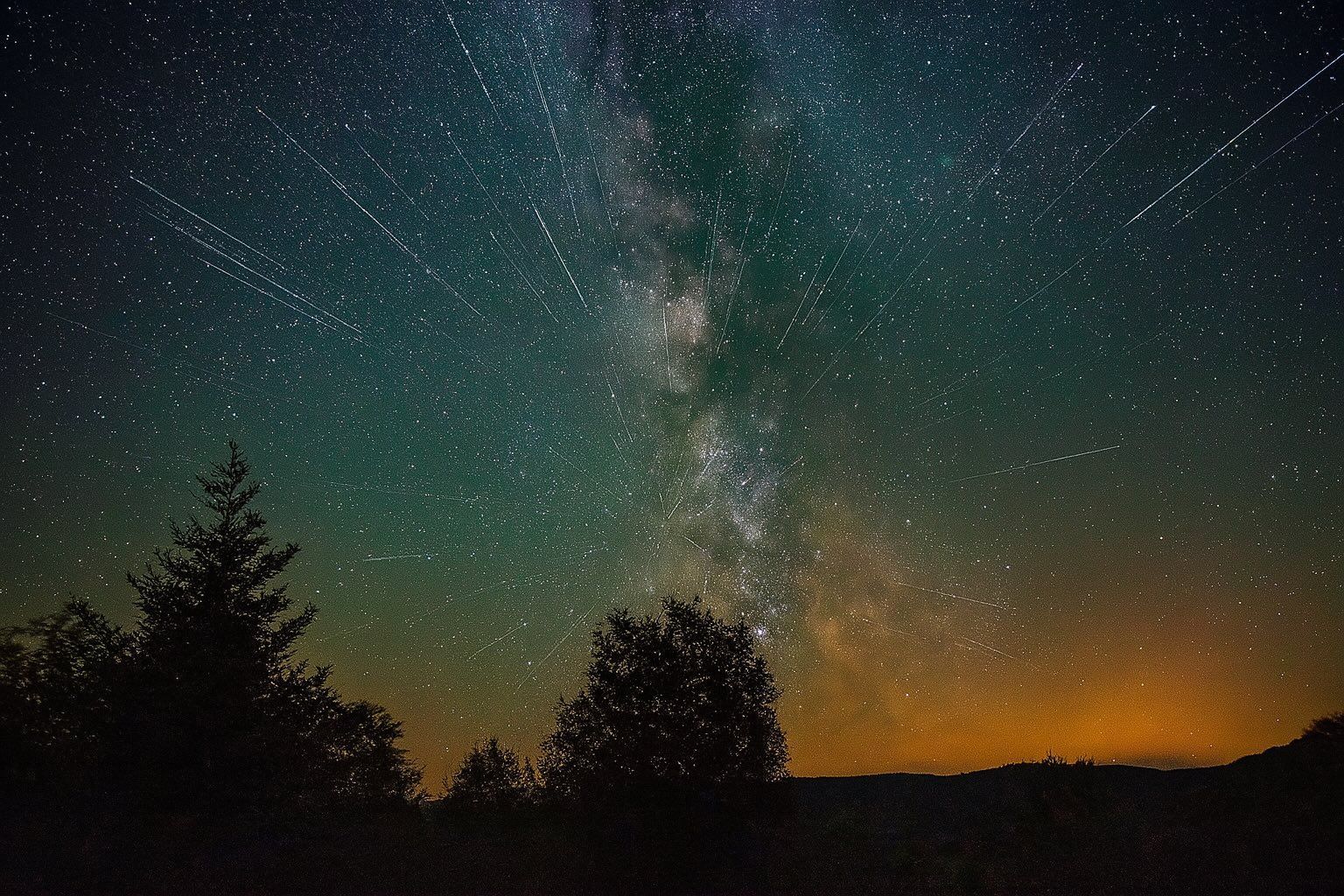
The Perseid meteor shower peaked on August 12-13, 2025, and NASA’s Bill Cooke says under moonlit skies observers may see about 10-20 meteors per hour (versus 40-50 per hour under dark skies). By August 17-18, the Moon is a waning crescent, allowing ideal conditions to yield roughly 15-20 Perseids per hour before dawn. The minor kappa Cygnids are active around…
17 August 2025
Don’t Miss These Sky Events on August 14–15, 2025: Shooting Stars, Planet Alignments, and More

Don’t Miss These Sky Events on August 14–15, 2025: Shooting Stars, Planet Alignments, and More

Perseid meteor shower remains active August 14–15, with Moonlight washing out fainter meteors and an expected rate around 10–20 per hour. Auroras could appear on August 14–15 due to solar activity, but forecasters expect only mild geomagnetic activity (Kp 5–6, G1–G2) and no major storm. Venus and Jupiter form a bright dawn pair around August 14–15, with Venus at magnitude…
Cosmic Triple-Feature: Meteor Shower, Double Planet Show & Aurora Hopes on Aug 6–7, 2025

Cosmic Triple-Feature: Meteor Shower, Double Planet Show & Aurora Hopes on Aug 6–7, 2025

The Perseid meteor shower ramps up on August 6–7, 2025, with about 10–20 meteors per hour after local midnight under dark skies despite a bright Moon at roughly 95–99% full. The August full Moon on August 9, 2025 is called the Sturgeon Moon, and its brightness washes out faint meteors during early Perseid activity. The Eta Eridanids are expected to…
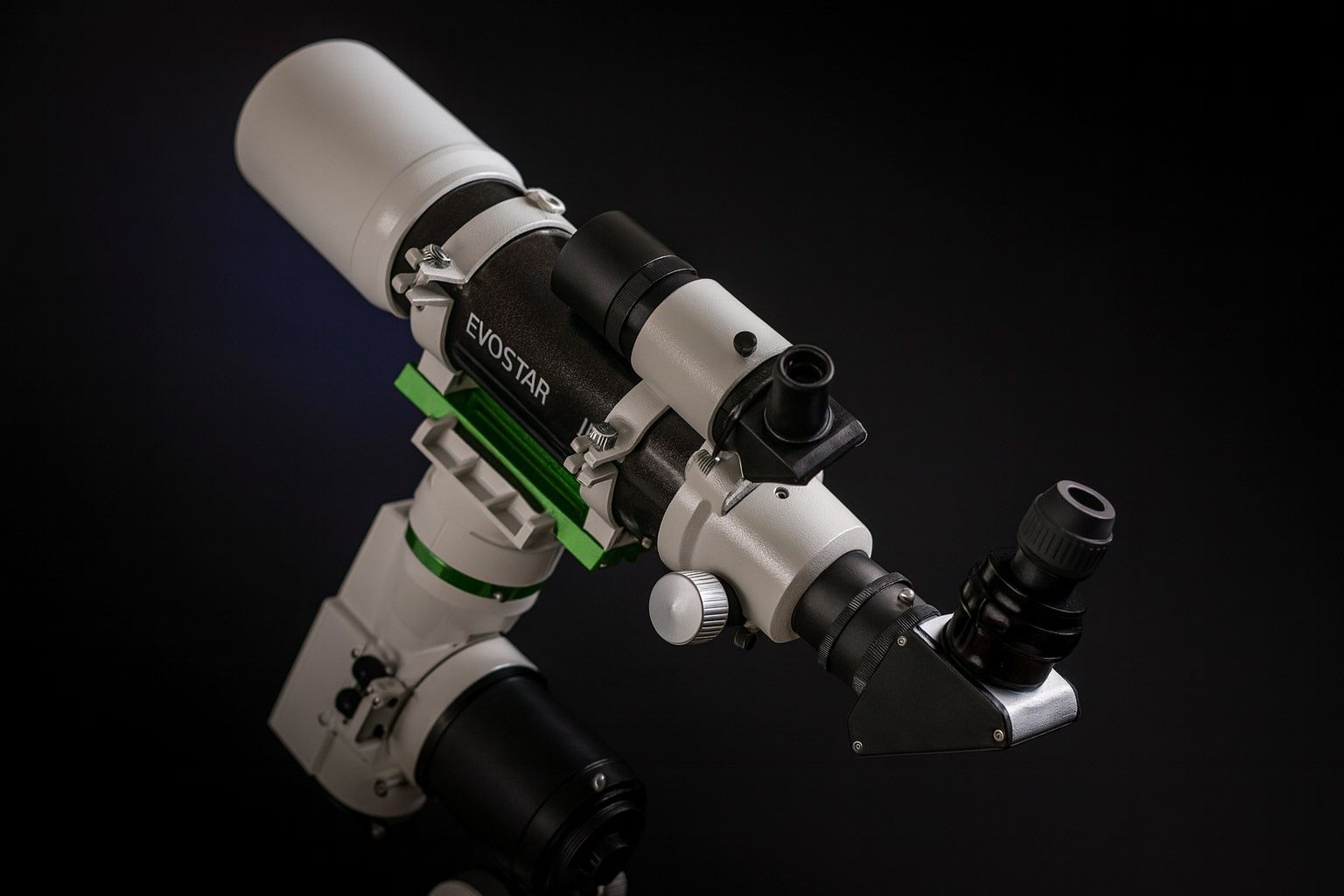
The Telescope Revolution of 2025–2026: From Backyard Stargazing to Giant Cosmic Eyes

The Telescope Revolution of 2025–2026: From Backyard Stargazing to Giant Cosmic Eyes

Celestron Origin Intelligent Home Observatory, introduced in 2024 and shipping through 2025, uses a 6-inch Rowe-Ackermann Schmidt Astrograph (RASA) at f/2.2 with an integrated 8.3-megapixel Sony STARVIS IMX178 color sensor, has no eyepiece, a fully motorized one-arm alt-azimuth mount with StarSense plate solving, built-in autofocus and dew control, and about 6 hours of cordless operation. The ZWO SeeStar S50, launched…
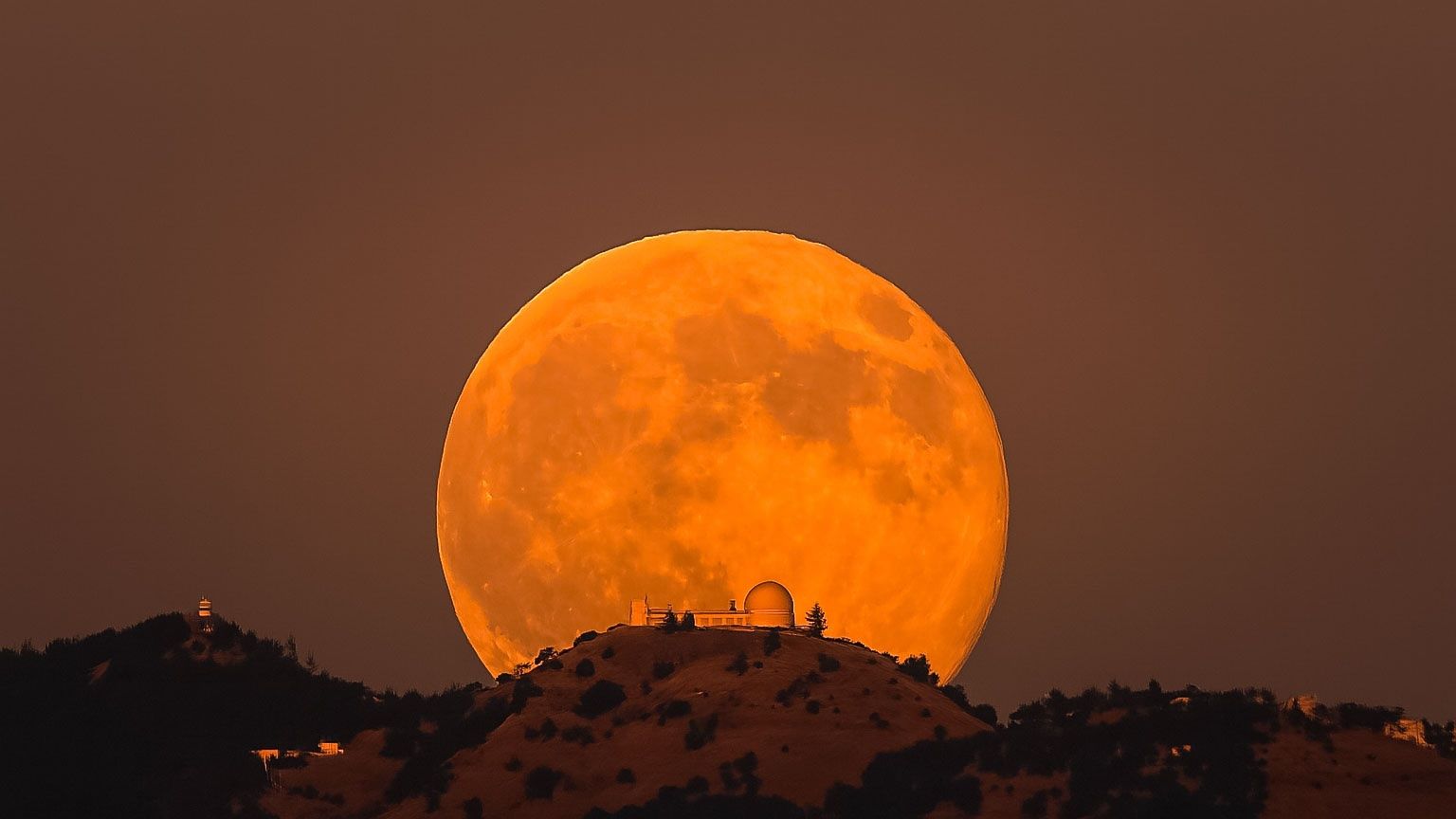
July 10 2025’s ‘Buck Moon’ Will Be the Farthest‑From‑the‑Sun, Low‑Riding Full Moon of the Decade—Here’s the Exact Time, Best Viewing Tricks & Pro Photo Hacks You Need

July 10 2025’s ‘Buck Moon’ Will Be the Farthest‑From‑the‑Sun, Low‑Riding Full Moon of the Decade—Here’s the Exact Time, Best Viewing Tricks & Pro Photo Hacks You Need

The Buck Moon peaks on 10 July 2025 at 4:37 p.m. EDT (20:37 UTC). Earth reached aphelion on 4 July 2025, making this the farthest full Moon from the Sun in 2025. During the 18.6-year major lunar standstill, the Moon hugs the southern horizon, producing the lowest July full Moon path since 2006. The Moon is not a supermoon, as…
10 July 2025

Stock Market Today

  • Figma Focuses on AI and Collaboration Amid Share Price Decline
    January 28, 2026, 6:48 AM EST. Figma (NYSE:FIG) faces a sharp share price drop since its debut, trading around $28.46, nearly 49% below analyst targets. Despite this, the company is intensifying efforts on AI-driven features and collaboration tools to differentiate itself from traditional software rivals. It reports strong revenue retention and ongoing customer engagement, positioning itself as a key player in design and product development software. Figma remains unprofitable with a negative price-to-earnings ratio (P/E) of -15.2, flagged as overvalued by some estimates. Investors are watching its progress toward profitability and adoption of AI features amid sector debates on AI's impact. The company's strategy highlights challenges in balancing innovation with financial performance in a competitive market.
Go toTop