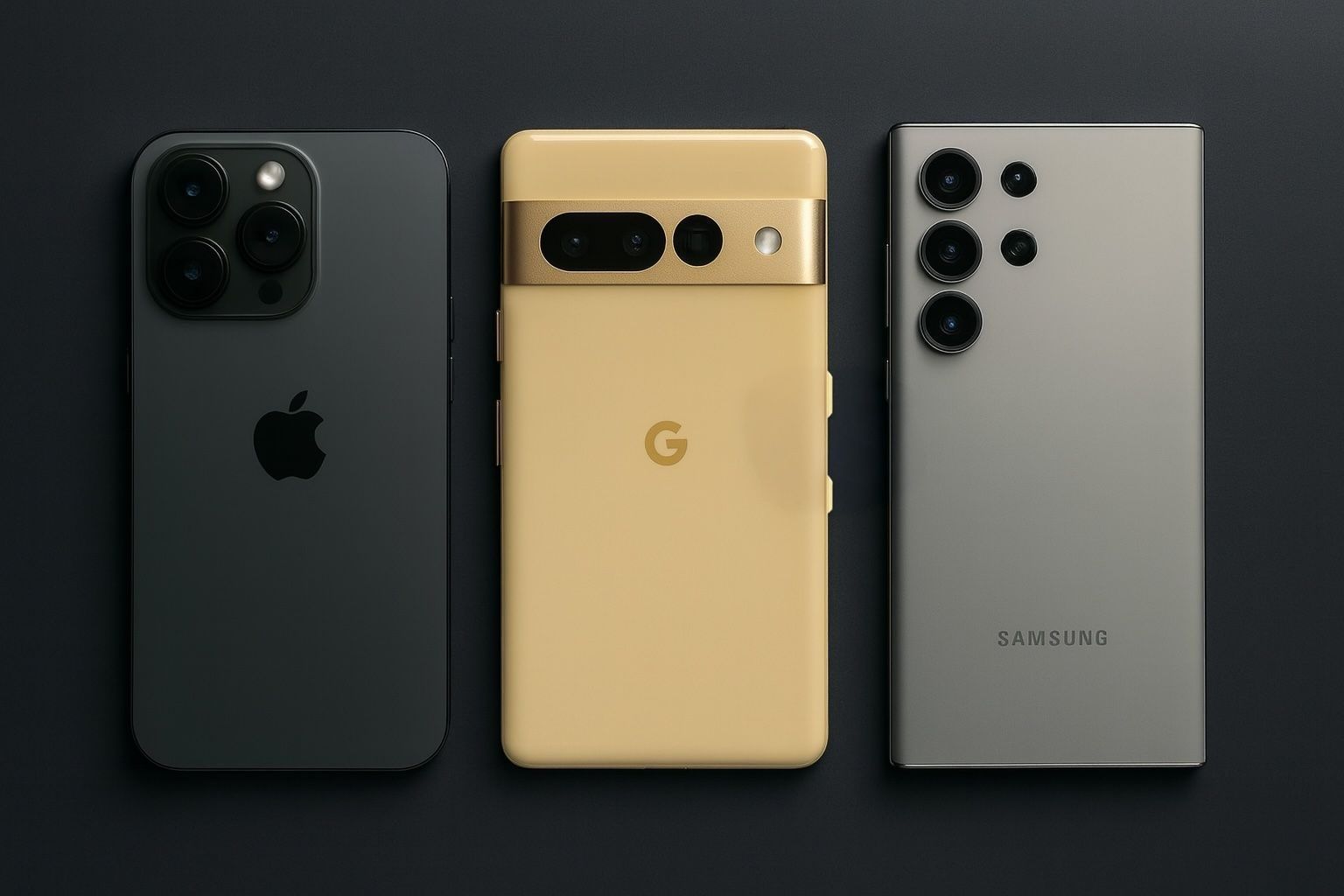
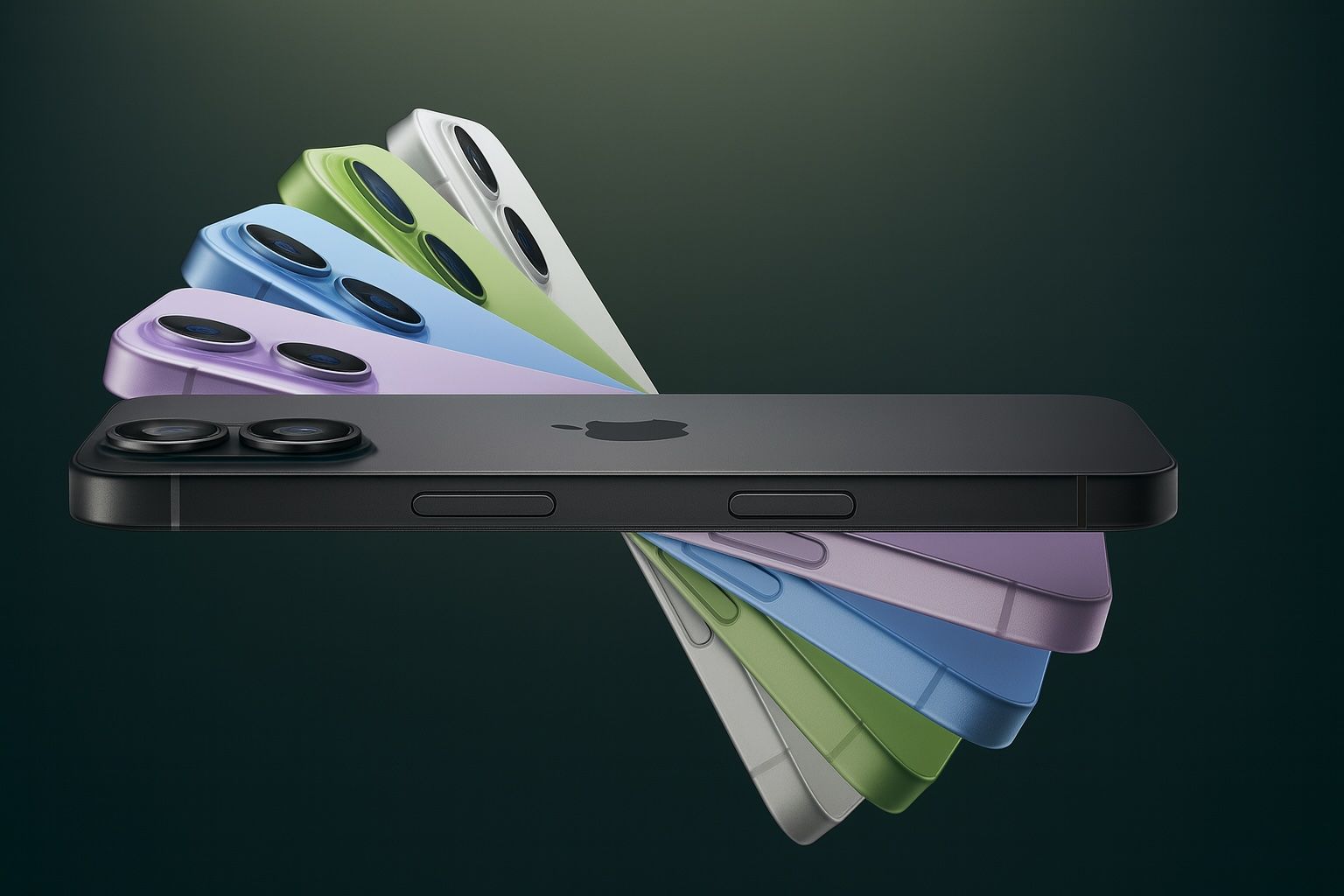
Each of these flagship phones is built to impress, with premium materials and huge, vibrant screens. Apple’s iPhone 17 Pro Max introduces a durable heat-forged aluminum unibody design Apple, giving it a sleek yet sturdy frame. It’s slightly more compact than the Ultra in width thanks to a 6.7-inch display with slim bezels and the familiar Dynamic Island cutout for Face ID. The Galaxy S25 Ultra, meanwhile, carries on Samsung’s bold design language – a 6.8-inch nearly bezel-free display with a centered punch-hole camera, armored aluminum frame, and subtle curvature at the edges. Despite housing an S Pen, the S25 Ultra remains slim and boxy, with a distinctive camera array on the back. Google’s Pixel 10 Pro XL embraces a clean aesthetic: it sports a 6.7-inch OLED with a flat design and a slightly thicker top bezel accommodating its ultrawide selfie camera. The Pixel’s back has Google’s signature horizontal camera bar, which now blends more seamlessly into the frame. All three phones boast OLED displays with QHD-ish resolutions and dynamic 120Hz refresh rates, so scrolling and animations feel ultra-smooth. Apple pushed peak brightness to a stunning 3,000 nits on the iPhone 17 Pro Max for superb outdoor visibility Digitaltrends, while Samsung isn’t far behind with around 2,500+ nits on the S25 Ultra. The Pixel 10 Pro XL’s display is much improved as well – Google calls it a “Super Actua” display, and it now rivals the color accuracy and brightness of its competitors. In essence, you’re getting big, beautiful screens on all three: the differences come down to aesthetic preference and little touches like the iPhone’s Ceramic Shield glass or Samsung’s Gorilla Glass Victus protection.