
NEW YORK, May 29, 2026, 11:01 EDT
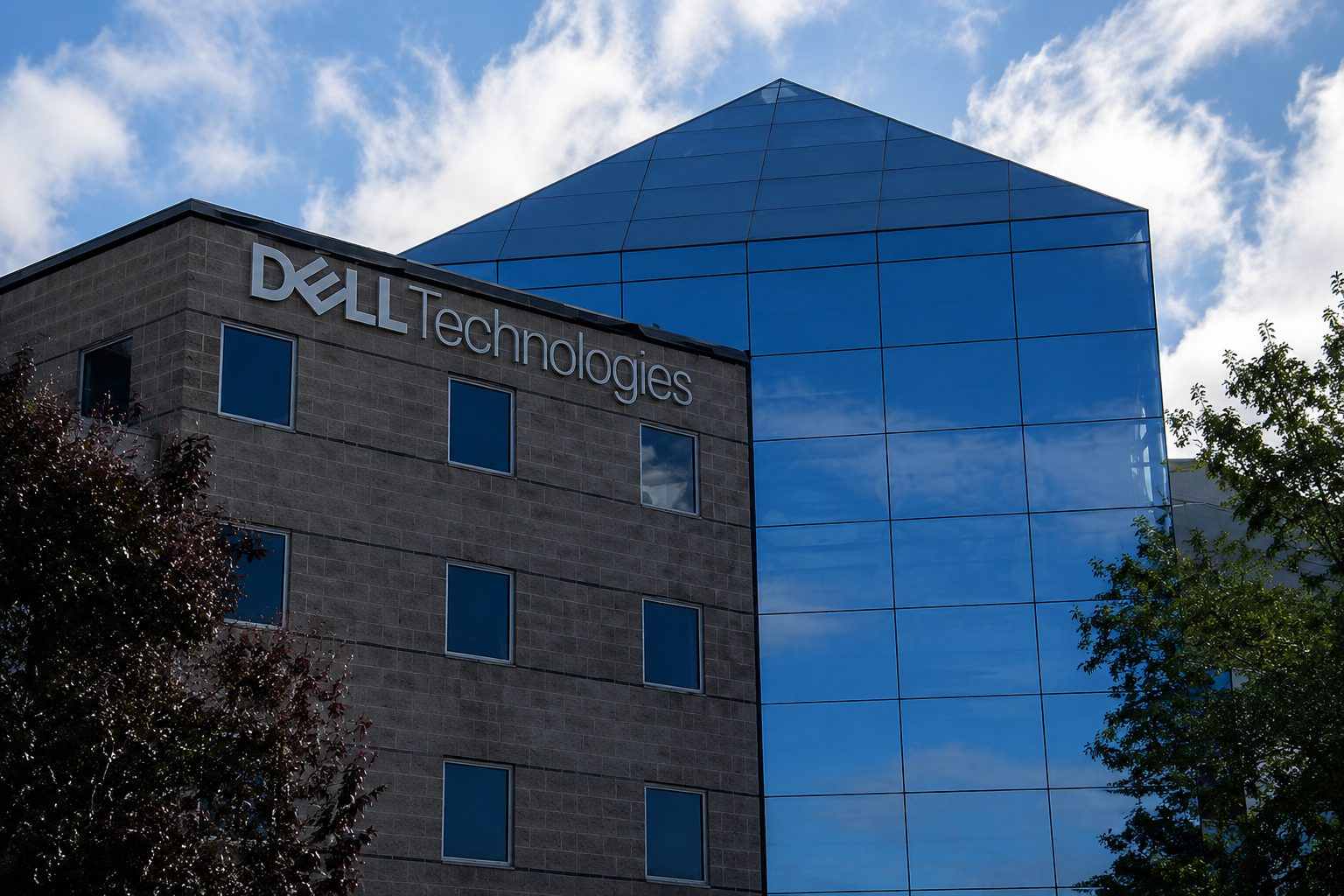
Dell Technologies stock rallied Friday after the company lifted its full-year forecast and posted strong quarterly results. The former PC giant has become a clear play on AI server demand in the public market.
Dell shares traded at $404.55, up $87.50, after hitting a session high of $445.55. The move gives the company a market cap near $268 billion. More than 20 million shares had changed hands by late morning.
Dell’s fastest-growing unit isn’t PCs anymore. The company’s AI-optimized servers pulled in $16.1 billion in the fiscal first quarter, topping the $14.6 billion from its client group, which includes personal computers.
Dell reported that revenue jumped 88% year over year to $43.84 billion. Adjusted earnings came in at $4.86 a share, with this non-GAAP metric leaving out some costs. The company raised its fiscal 2027 revenue outlook to a range of $165 billion to $169 billion. Dell also boosted its AI server revenue target to about $60 billion, up from the earlier $50 billion estimate.
Dell vice chairman and COO Jeff Clarke said the company booked $24.4 billion in AI orders for the quarter. “AI opportunity shows no signs of slowing,” Clarke said. CFO David Kennedy said Dell started the year with “clear momentum.” Dell Technologies
Infrastructure revenue, which covers servers, storage, software and networking, reached $29.0 billion, up 181% from last year. Storage saw an 8% gain. Traditional servers and networking climbed 92%, so the surge came from more than just high-end AI.
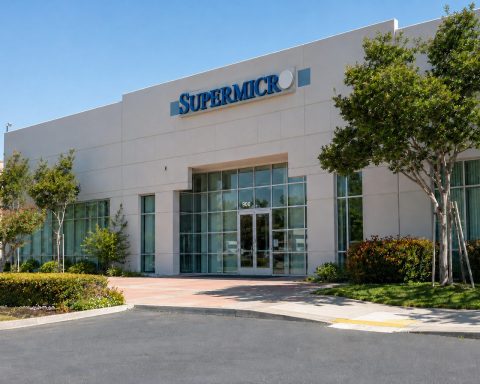
Gains spread to hardware makers. Super Micro Computer climbed 11.2% and Hewlett Packard Enterprise added 13.1% as Dell’s results fueled bets on stronger demand for data-center equipment.
Dell Federal Systems picked up a five-year, $9.7 billion U.S. War Department contract for Microsoft services. The department expects to save $422 million a year from the deal.
Dell’s size is in the spotlight. Melissa Otto, who leads S&P Global Visible Alpha research, said Dell had an advantage over competitors thanks to its supplier relationships and demand control during the memory crunch.
Dell faces a scale problem on both sides. On the post-earnings call, Clarke said Dell was “repricing” often as memory-chip costs go up. If supply gets worse, that could hit margins or push customers on price. Reuters
Dell is telling investors results might not line up with its guidance. The company listed supplier reliance, competition, swings in AI demand and general economic risk all as factors. That’s the risk: orders stay big, but higher parts costs, delays, or slowing AI infra spending could bite into profits Wall Street expects now.
Wall Street is footing the bill for the shift right now. Dell isn’t just a PC-cycle trade anymore; it’s more about how long the AI data-center buildout can keep lifting hardware makers.
Related articles: NASDAQ:SMCI




![Asia Stock Market Today 23/08/2026 [UPDATE: 08:08 SGT] [Yield Shock Splits Asia: Weekly Recap and Week Ahead]](https://ts2.tech/wp-content/uploads/2026/08/Asia-market-dashboard-2026-08-23-0808-480x384.jpg "Asia Stock Market Today 23/08/2026 [UPDATE: 08:08 SGT] [Yield Shock Splits Asia: Weekly Recap and Week Ahead]")