
New York, June 13, 2026, 14:05 (ET)
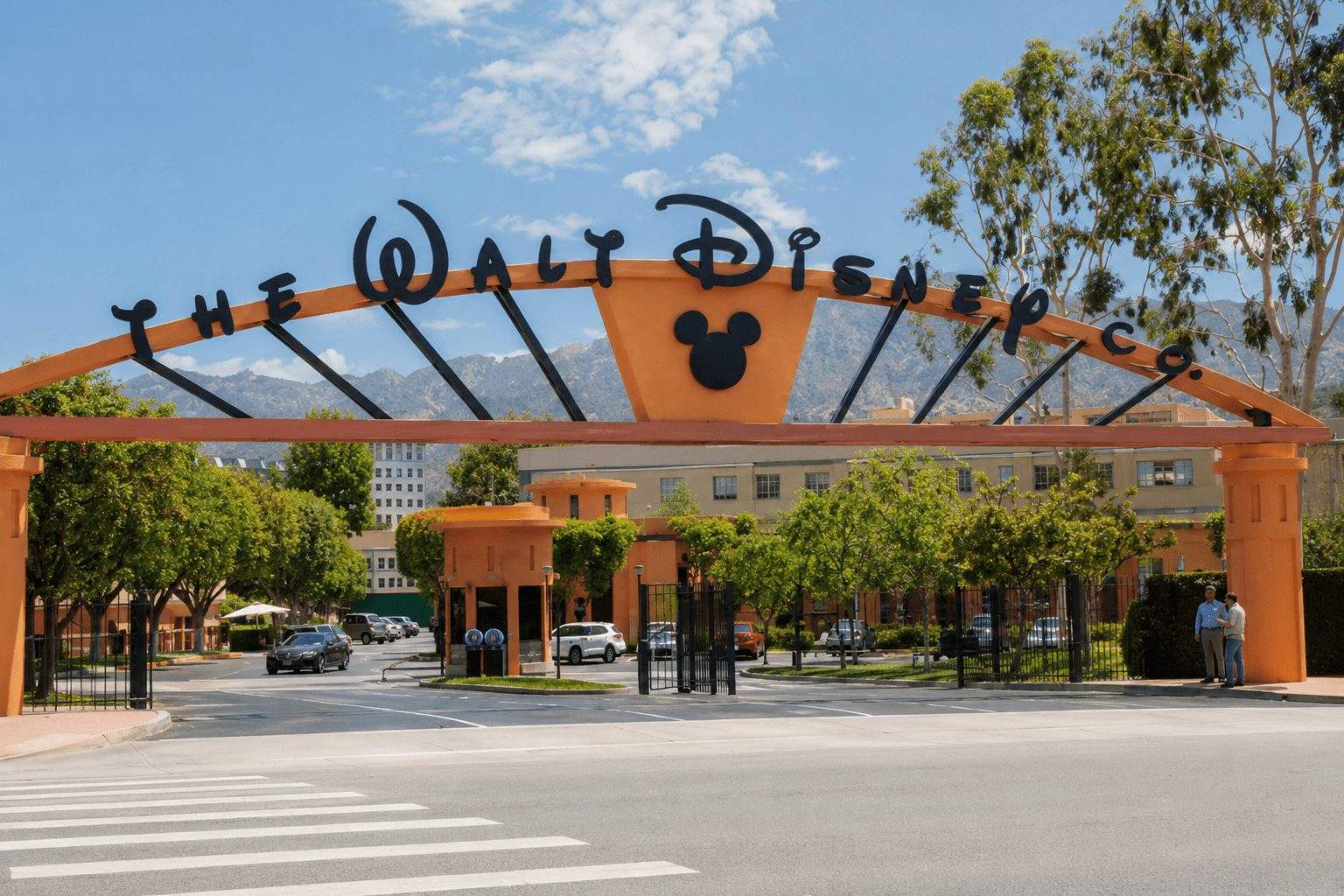
- Walt Disney shares settled at $100.04 on Friday, slipping around 0.3%. The S&P 500 and Dow both ended the day higher.
- Needham kept its Buy on the stock with a $125 price target in the latest analyst move, Benzinga’s tracker showed.
- Next up for investors are Toy Story 5 coming June 19 and Disney’s fiscal Q3 earnings expected in early August.
Disney (DIS) slipped 0.31% to close at $100.04 on Friday, trading as low as $99.55 and as high as $101.77. The stock ended lower for the week, even as major indexes managed gains. The S&P 500 rose 0.5%, the Dow added 0.7%, and the Nasdaq was up 0.3% on June 12. Disney trailed the market, and that gap may signal investors want stronger signs the company can deliver on its guidance and expectations from analysts.
Analyst sentiment is still positive. According to Benzinga’s analyst page, Needham kept its Buy call on Disney on June 12 and set a $125 price target, about 25% higher than Disney’s Friday close. Benzinga showed a wider consensus price target of $129.21 from 24 analysts. The latest three ratings—Needham, Rosenblatt and Citigroup—averaged $132.
Disney’s earnings beat in May is fading as investors look to the company’s growth prospects for the rest of the year. Disney said in its latest quarterly report that revenue rose 7% in fiscal Q2 to $25.2 billion. Adjusted EPS went up to $1.57 from $1.45, excluding items the company says can distort operating results. Chief Executive Josh D’Amaro and CFO Hugh Johnston said Disney is still “focused on executing our long-term growth strategy.” The company expects about 12% adjusted EPS growth in fiscal 2026, not counting the extra week, or roughly 16% with it. SEC
The next key event for Disney is the June 19 theatrical debut of Pixar’s Toy Story 5, a test for the studio’s pipeline and the brand as summer box-office competition heats up. But the bigger move for the stock may come with fiscal Q3 earnings, which Wall Street Horizon lists as unconfirmed for Aug. 5 before the bell. That release will update investors on summer park attendance, streaming margins, sports spending and full-year outlook.
Disney’s bull story is about operating leverage. Entertainment revenue climbed 10% in fiscal Q2, and operating income for the Entertainment SVOD unit — that’s profit before segment exclusions from streaming platforms Disney+ and Hulu — jumped 88% to $582 million. Experiences, covering parks and cruises, had more Q2 records. Revenue there was up 7%, operating income rose 5%. Management says it plans to buy back at least $8 billion in shares in fiscal 2026, giving more support to the stock if Disney can keep generating cash.
Disney’s growth story looks pricey and choppy to bears. Sports operating income dropped 5% in fiscal Q2, and Disney projected Q3 Sports profit to fall another 14% from a year ago, blaming higher programming costs and new rights deals. Free cash flow fell 53% in the first half of fiscal 2026, as Disney spent more on parks, resorts and property—outlays hit $5.0 billion. The company said demand at domestic parks was solid but pointed to ongoing uncertainty for consumers in the wider economy.
Disney ended Friday looking selectively appealing, but not without risk. The stock closed with a 16.01 price-to-earnings ratio, according to Google Finance—a level that doesn’t look stretched as long as Disney can deliver double-digit EPS growth. Still, that same P/E leaves little margin for error if park traffic dips, sports expenses jump, or streaming margins stall. Shares remain under the 52-week high of $124.69, with analysts still upbeat. For those backing management’s second-half plans, the setup is interesting, though it’s not a pick for investors after steady, low-drama earnings.
Related articles: NYSE:DIS