
New York, June 18, 2026, 06:03 EDT
- Dow futures traded higher early, while Nasdaq futures climbed more, led by gains in chip stocks.
- The Fed kept rates unchanged, but traders boosted bets on a quarter-point hike in September.
- U.S. cash trading will hold a regular session Thursday. The NYSE is shut Friday for Juneteenth.
Dow futures bounced early Thursday, regaining some ground after sliding on the Fed on Wednesday. Cheaper oil and a rally in chip names helped the mood ahead of the final U.S. trading day this week.
The shift is drawing attention as the blue-chip index has just pulled back from another volatile session near its all-time highs. The Dow finished at 51,492.55 on June 17, after ending at 51,999.67 the day before, according to data from the Federal Reserve Bank of St. Louis using S&P Dow Jones Indices figures.
Dow E-minis were up 199 points, or 0.38%, at 5:01 a.m. ET. S&P 500 E-minis added 54 points, or 0.72%. Nasdaq 100 futures traded higher by 403.25 points, up 1.36%. Futures pointed to a strong tech bias in early moves. Traders put the odds of a 25-basis-point Fed rate hike in September at 50%, rising from 27% the day before. A basis point equals one-hundredth of a percentage point. “The combination of a new chair regime, hawkish projections, and a wide dispersion of views implies a higher bar for near-term action in either direction,” UBS Global Wealth Management Chief Investment Officer Mark Haefele said. Reuters
Fed holds rates steady at 3.50% to 3.75%, 12-0 vote
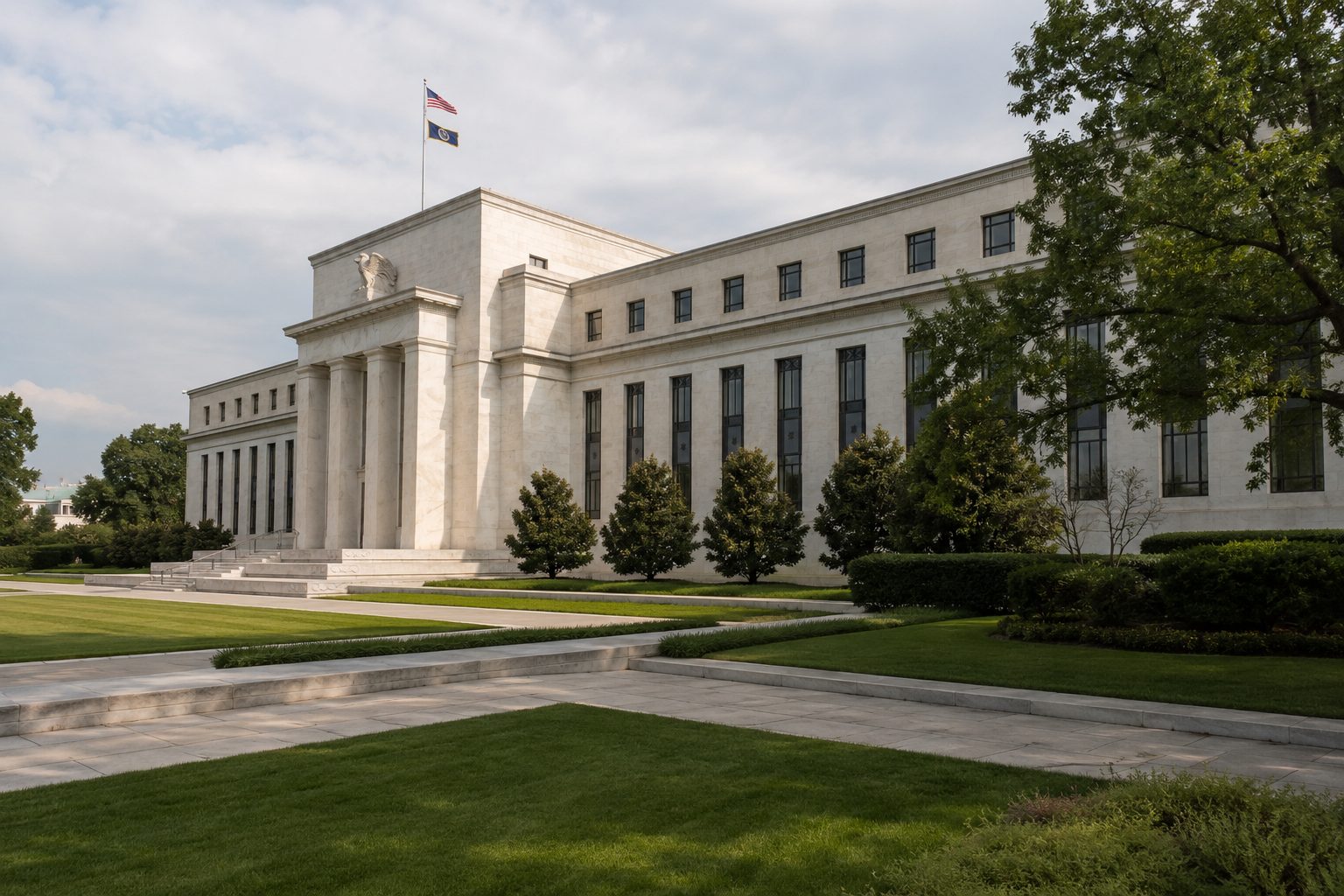
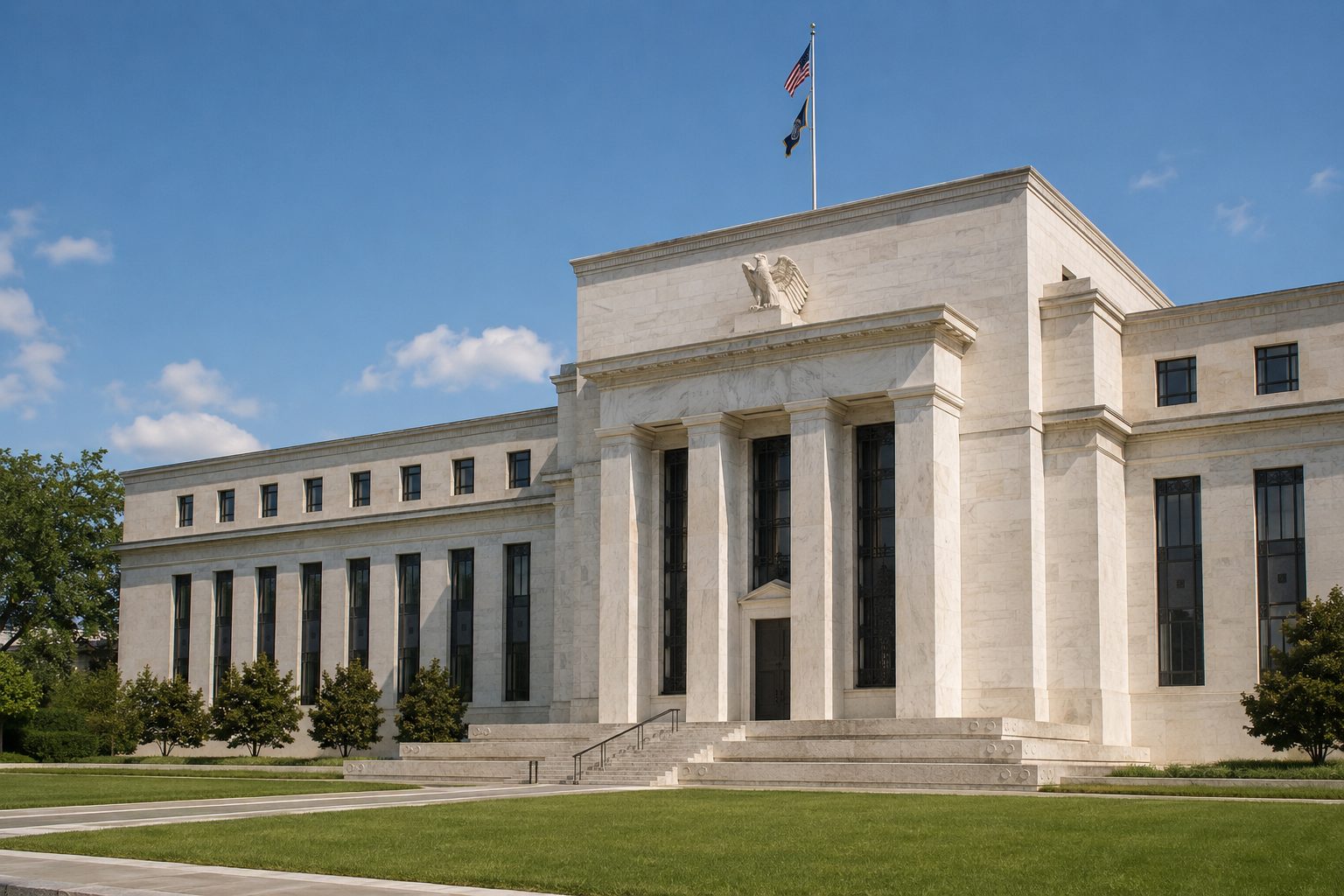
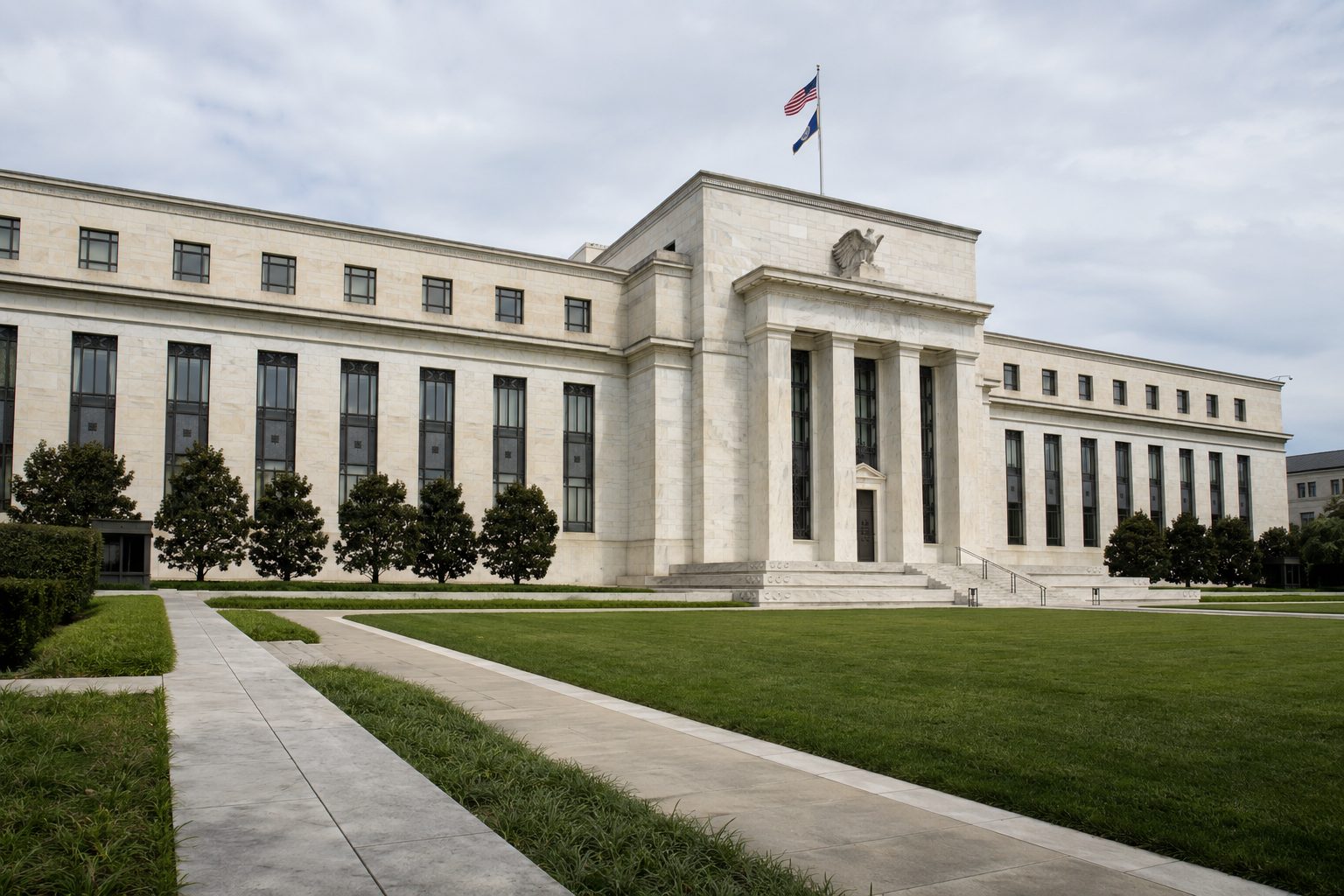
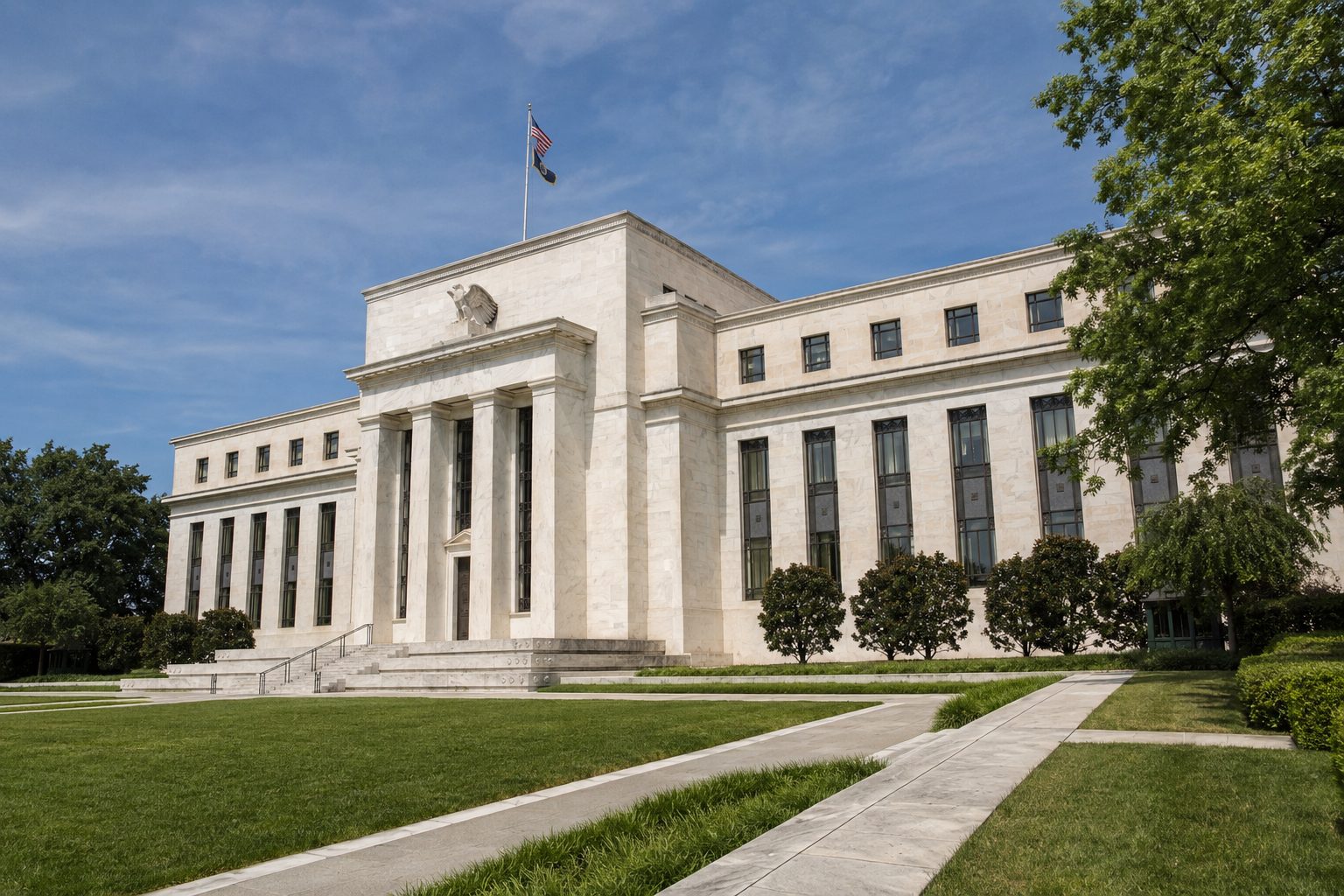
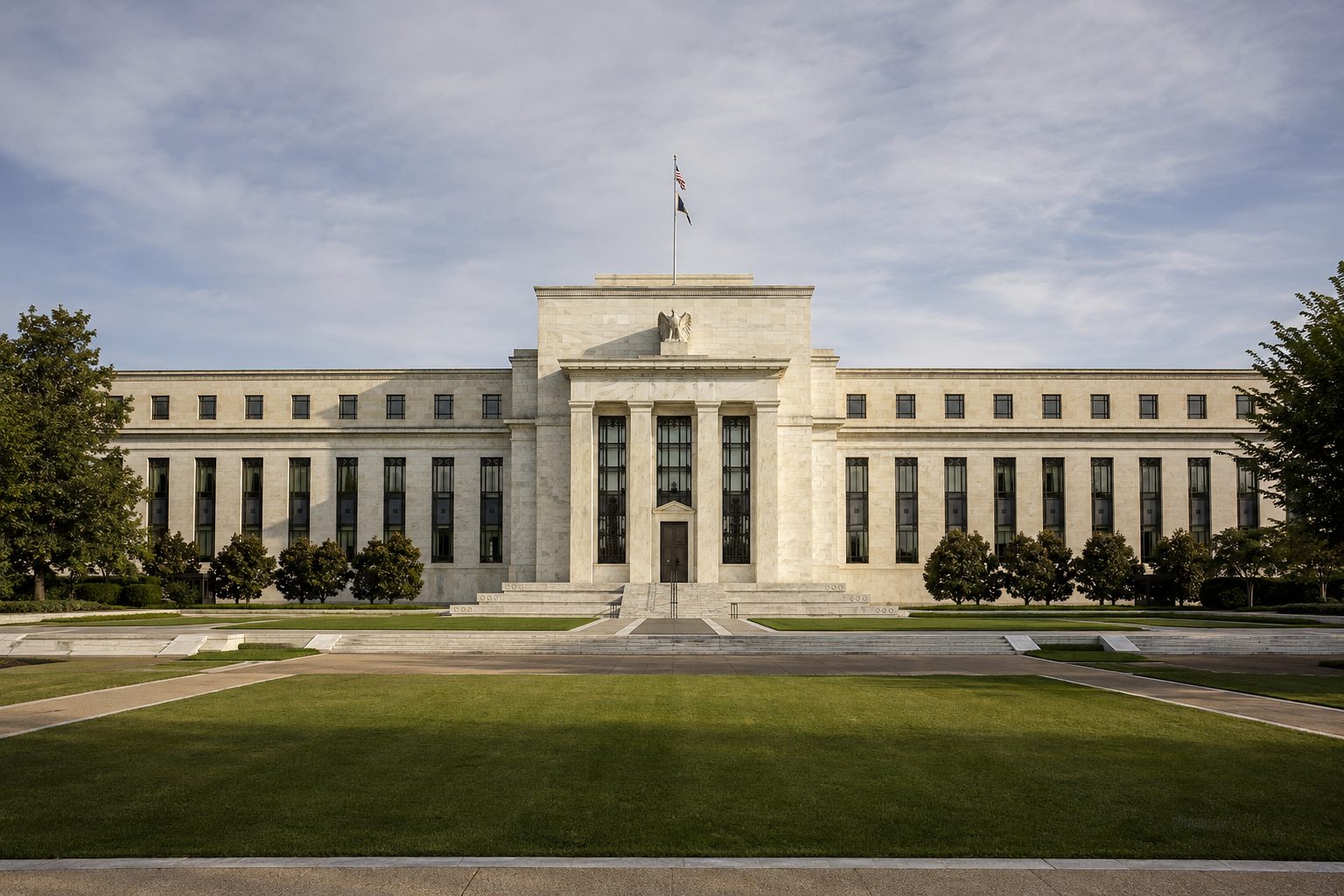
The Federal Reserve left its federal funds rate target unchanged at 3.50% to 3.75% after its meeting Wednesday, with all 12 policymakers in agreement. The Fed said the economy is growing at a solid pace, but inflation is still running above the 2% target. That’s negative for stocks since higher rates can draw money into bonds and cut how much investors are willing to pay for future earnings.
Chip stocks moved higher. Intel gained in premarket after President Donald Trump said Apple plans to partner with the company to design and make chips in the U.S., which kept the spotlight on supply-chain policy and the larger semiconductor market.
U.S. retail and food services sales climbed 0.9% in May to $763.7 billion, the Census Bureau said. The numbers are seasonally adjusted, stripping out holiday and trading-day shifts but not price increases. The data point keeps the consumer picture firm. That’s some support for growth. It’s also a reason for the Fed to hold off from turning dovish.
Oil reversed on the day. A U.S.-Iran interim deal kept a ceasefire in place and opened the Strait of Hormuz to all shipping. That move sent oil down 2.8%, landing near $77 a barrel, a level not seen since early March. Lower crude does ease inflation, but so far markets are not taking that as a clear buy signal for risk.
Relief in markets could be short-lived if energy prices rebound or if Fed signals tilt harder to hikes. The Dow’s early futures advance could evaporate on those triggers. “The current toll-free transit period is limited to 60 days, and the future framework remains uncertain, leaving lingering concerns,” said Yoshimasa Maruyama, chief market economist at SMBC Nikko Securities. Reuters
NYSE cash trading was still closed at the dateline hour. Normal hours for the exchange run from 9:30 a.m. to 4:00 p.m. ET. According to its calendar, all NYSE markets will be shut on Friday, June 19 for Juneteenth National Independence Day.
Related articles: NASDAQ:INTC